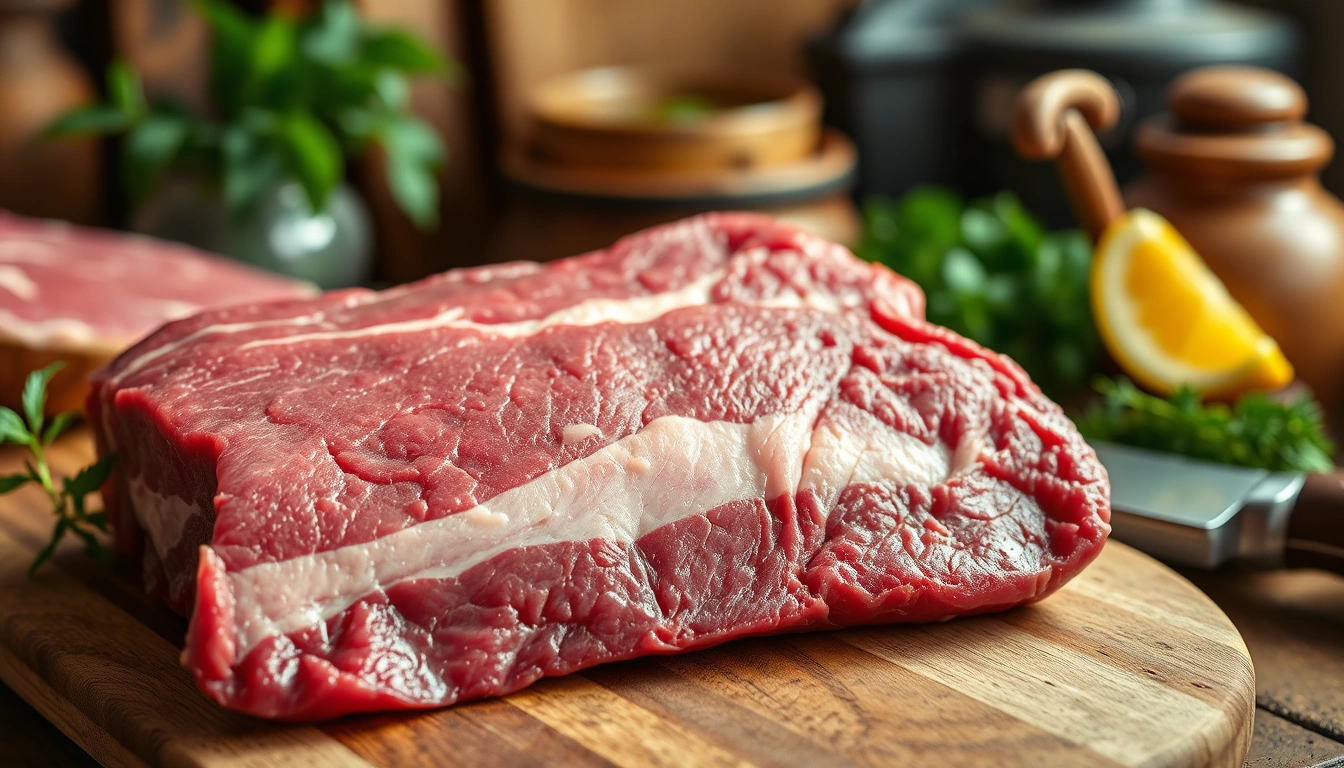
Beef tongue
185 kcal per 100 g
Category: Meat
Nutritional information (per 100 g)
| Calories | 185 kcal |
| Protein | 20.5g |
| Carbohydrates | 0g |
| Total fats | 15.0g |
| Fiber | 0g |
| Sodium | 80mg |
| Cholesterol | 120mg |
Vitamins and minerals
Description
Beef tongue is a cut of meat that comes from the tongue of cattle. It is a highly valued ingredient in various world cuisines for its soft texture and delicate flavor, especially after being cooked and peeled. Beef tongue is commonly used in stews, braises, tacos, and traditional dishes that require tender and flavorful meat.
The origin of its consumption dates back to ancient cultures where virtually all parts of the animal were utilized. In Latin America, beef tongue is very popular in countries such as Mexico, Argentina, Colombia, and Peru, among others, where it is an integral part of traditional gastronomy.
Regarding its properties, beef tongue is an excellent source of high-quality protein, in addition to containing B-complex vitamins (especially B12) and minerals such as zinc and iron, which are essential for the formation of red blood cells and the proper functioning of the immune system. It is, however, a relatively high-fat food, so it is recommended to consume it in moderation.
In the context of Hispanic America, beef tongue has several synonyms and alternative terms, including:
- Lengua (general and most commonly used term)
- Lengua vacuna (to specify that it is beef)
- Lengua de buey (more common in some regions to refer to ox or cow tongue)
This ingredient is ideal for those seeking traditional recipes with character, providing a unique texture and a mild flavor, perfect for stuffing, stewing, or preparing in sauces and braises.