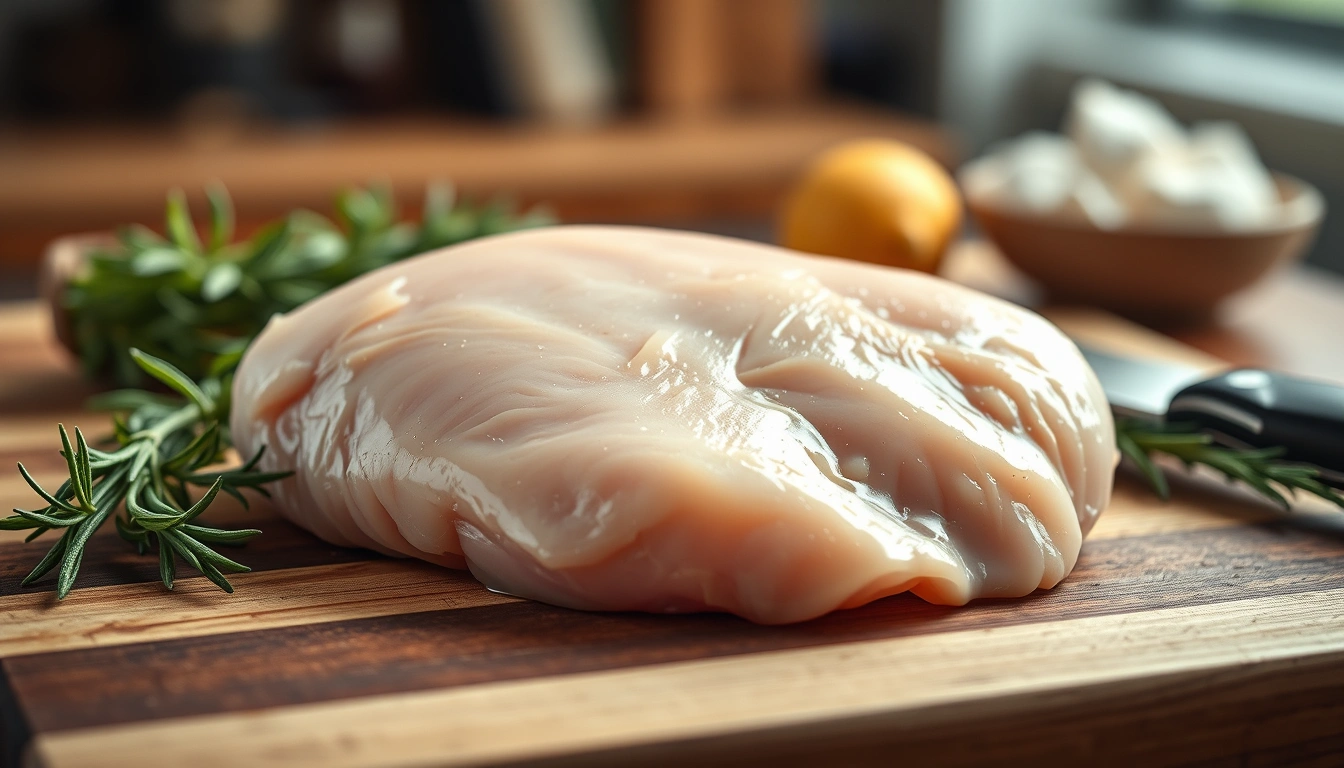
Chicken breast without skin and bones
165 kcal per 100 g
Category: Meat
Nutritional information (per 100 g)
| Calories | 165 kcal |
| Protein | 31g |
| Carbohydrates | 0g |
| Sugars | 0g |
| Total fats | 3.6g |
| Saturated fats | 1g |
| Fiber | 0g |
| Sodium | 74mg |
| Cholesterol | 85mg |
Vitamins and minerals
Description
Boneless, skinless chicken breast is one of the most popular and versatile chicken cuts, widely used in cooking for its soft texture, neutral flavor, and low-fat content. It is obtained from the front of the bird, specifically from the pectoral muscles, and being without skin or bone makes it easier and quicker to prepare and cook.
This ingredient is common in recipes ranging from quick and healthy dishes to gourmet preparations, as it absorbs seasonings, marinades, and spices well. Its domestic origin lies in the raising of broiler chickens, a widespread practice throughout the world, although techniques and breeds may vary by region.
Regarding nutritional properties, boneless, skinless chicken breast is an excellent source of lean protein, low in fat and carbohydrates, ideal for balanced diets and for those looking to increase their protein intake without consuming many calories. It also provides B-complex vitamins, such as niacin and vitamin B6, which are essential for energy metabolism.
Depending on the country or Hispanic region, this ingredient may have different names or synonyms that are useful to know when looking for recipes or ingredients in local markets. Some of these are:
- Chicken fillet
- Breast fillet
- Boneless breast
- Clean breast
- Chicken supreme (in some countries)
In summary, boneless, skinless chicken breast is an essential ingredient in many cuisines, appreciated for its ease of preparation and nutritional value, which adapts to a wide variety of healthy and tasty recipes.