Fructose
300 kcal per 100 g
Category: Sweets and Sweeteners
Nutritional information (per 100 g)
| Calories | 300 kcal |
| Protein | 0g |
| Carbohydrates | 100g |
| Sugars | 100g |
| Total fats | 0g |
| Fiber | 0g |
| Sodium | 1mg |
Vitamins and minerals
Description
Fructose is a type of simple sugar or monosaccharide found naturally in many fruits, vegetables, and honey. It is known for its sweet taste, even sweeter than sucrose (common sugar), making it a popular sweetener in numerous recipes.
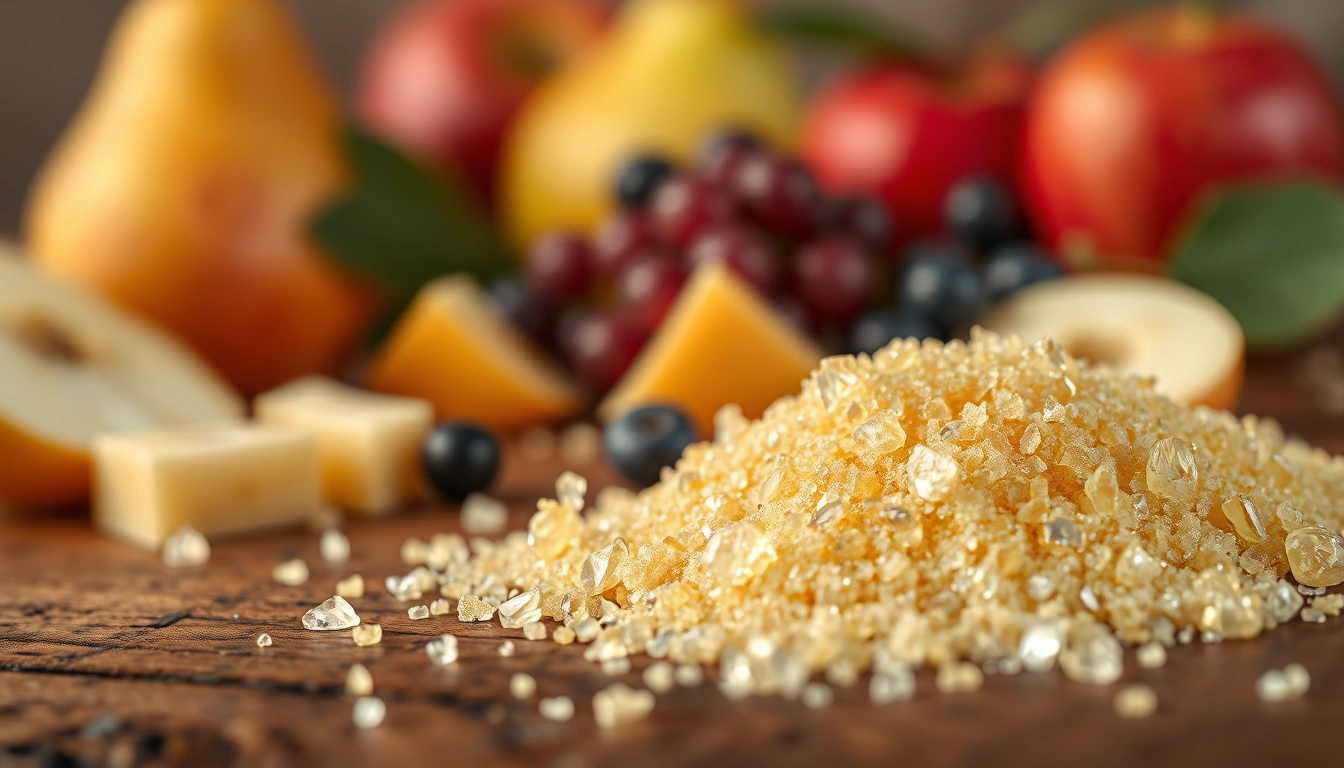
Its origin is natural, as it is extracted directly from plant sources, primarily from fruits such as apples, pears, grapes, and berries. In the food industry, it is also obtained from high-fructose corn syrup, widely used as a sweetener in processed foods and beverages.
Regarding its properties, fructose is a quick source of energy, as it is metabolized in the liver. Compared to other sugars, it has a lower glycemic index, which means it can cause a more gradual increase in blood glucose. However, excessive consumption can have negative health effects, so it is recommended to moderate its intake.
In Hispanic American countries, fructose may also be known simply as fruit sugar or referred to as natural sugar in culinary contexts. It does not usually have many specific synonyms, but it is common to hear it named among the simple sugars present in natural ingredients for making desserts, juices, and pastries.