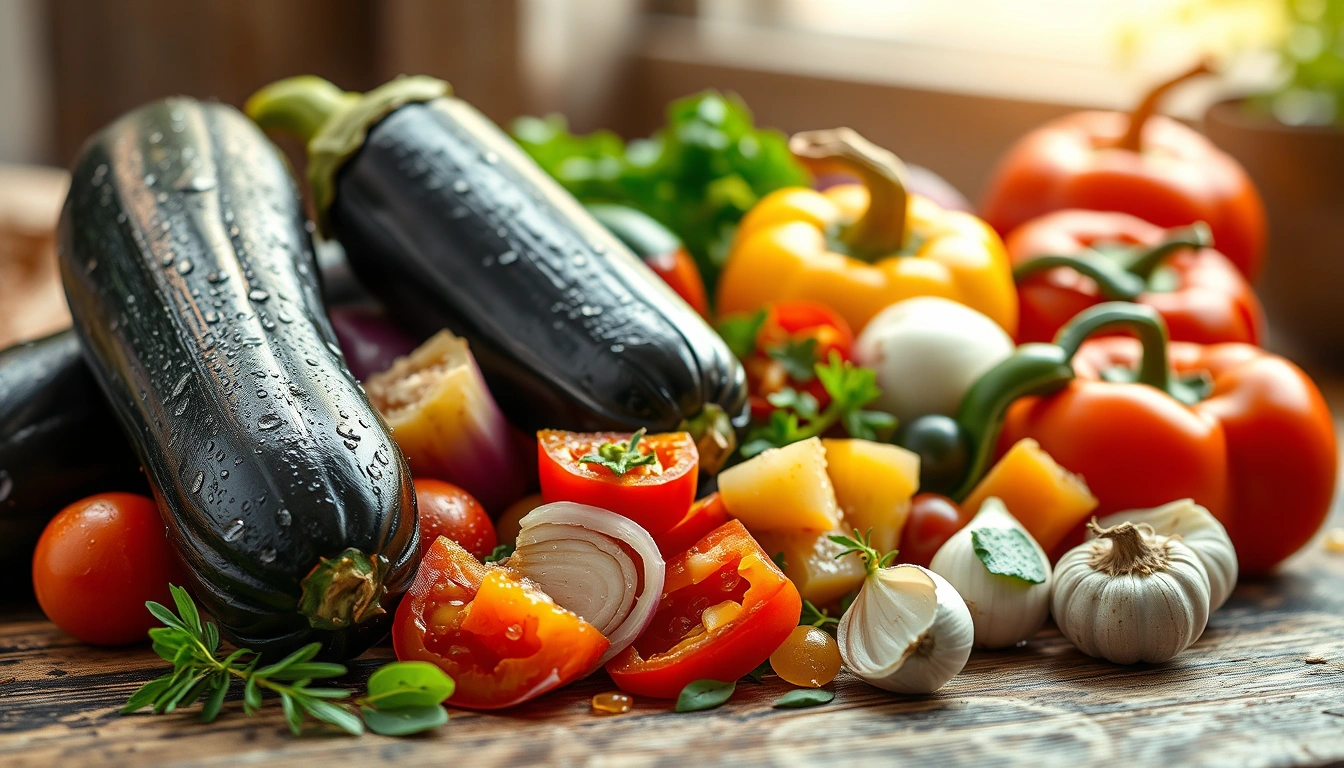
Italian vegetables
31 kcal per 100 g
Category: Vegetables
Nutritional information (per 100 g)
| Calories | 31 kcal |
| Protein | 1.5g |
| Carbohydrates | 6g |
| Total fats | 0.2g |
| Fiber | 2.8g |
Vitamins and minerals
Description
Italian vegetables are a classic mix of vegetables commonly used in Mediterranean cuisine to add flavor, texture, and nutrients to a wide variety of dishes. This combination typically includes ingredients such as zucchini, eggplant, bell pepper, onion, tomato, and sometimes garlic, all cut into similar-sized pieces and cooked together, whether roasted, sautéed, or stewed.
Origin: Italian vegetables have their roots in traditional Italian cuisine, especially in regions like Tuscany and Lazio, where the use of fresh, seasonal produce is fundamental. Iconic dishes such as ratatouille (originally French, but based on these vegetables) and Sicilian caponata demonstrate the versatility of these vegetables in Mediterranean gastronomy.
Properties: This combination of vegetables is rich in fiber, vitamins (A, C, and several B complex vitamins), minerals like potassium, and natural antioxidants found in tomatoes and bell peppers. Additionally, they are low in calories and fat, making them a healthy and nutritious option to accompany main dishes or as a base for sauces and stews.
Synonyms in Latin America: In different Spanish-speaking countries, Italian vegetables may also be known as Mediterranean vegetable mix or Italian vegetable blend. Although there is no exact universal synonym, terms such as stew vegetable mix or simply Italian figurines in some culinary contexts may refer to similar combinations.