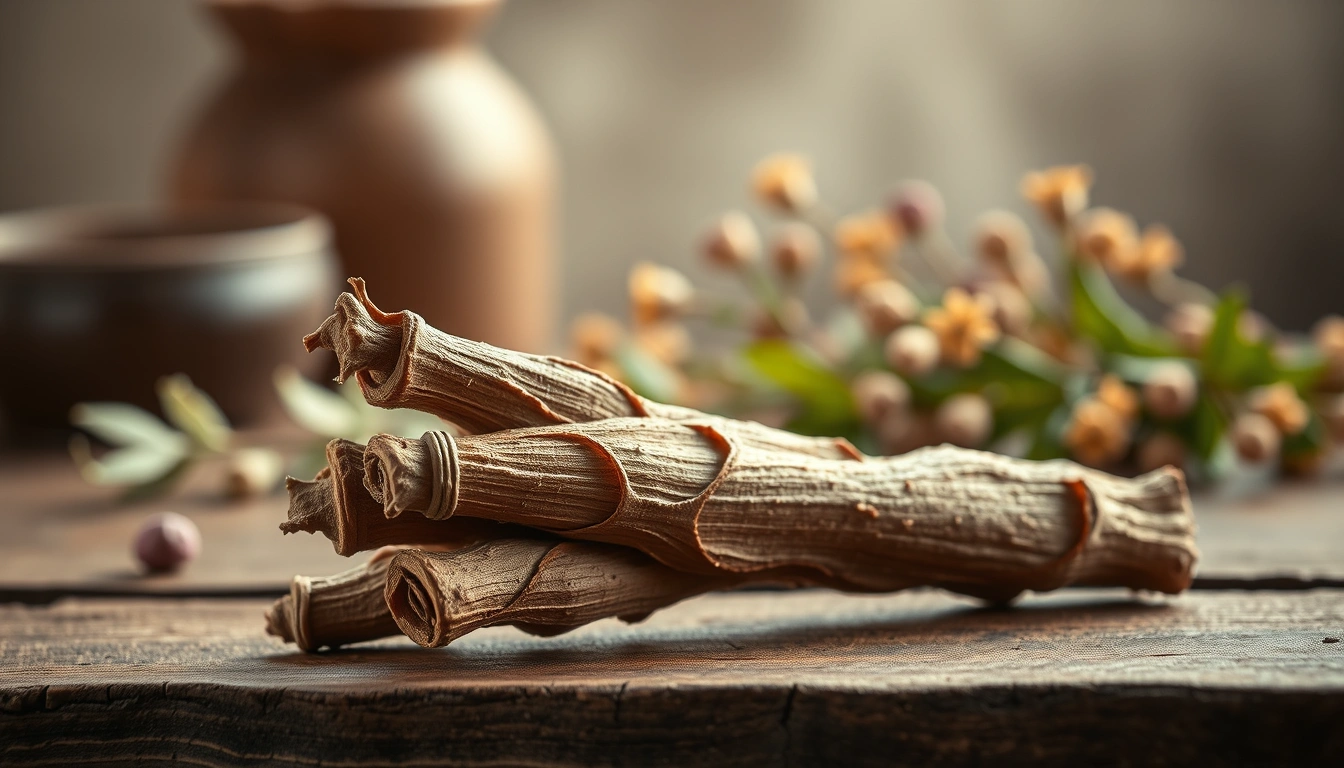
Licorice
325 kcal per 100 g
Category: Sweets and Sweeteners
Nutritional information (per 100 g)
| Calories | 325 kcal |
| Protein | 3.6g |
| Carbohydrates | 75g |
| Total fats | 0.7g |
| Fiber | 2.0g |
| Sodium | 33mg |
Vitamins and minerals
Description
Licorice is a sweet and aromatic root derived from the Glycyrrhiza glabra plant, widely used in both dessert preparation and the making of infusions and syrups. Its characteristic, sweet and intense flavor comes from a compound called glycyrrhizin, which is considerably sweeter than sugar.
Licorice originates from Mediterranean and West Asian regions, where it has been used since ancient times not only in cooking but also for its medicinal properties. In gastronomy, it is used to flavor sweets, beverages, and some traditional recipes.
Among its properties, its ability to relieve digestive discomfort and its anti-inflammatory function stand out. Furthermore, licorice can help soothe the throat and is a common ingredient in home remedies for colds.
In different Latin American countries, licorice is also known as liquirizia (a transcription from Italian), dulce de palo, zarzaparrilla (although this usually refers to a different plant, in some places it is used as a synonym), and palillo dulce. It is important to note that the terminology may vary, but generally all these terms refer to the root or extract used in cooking.