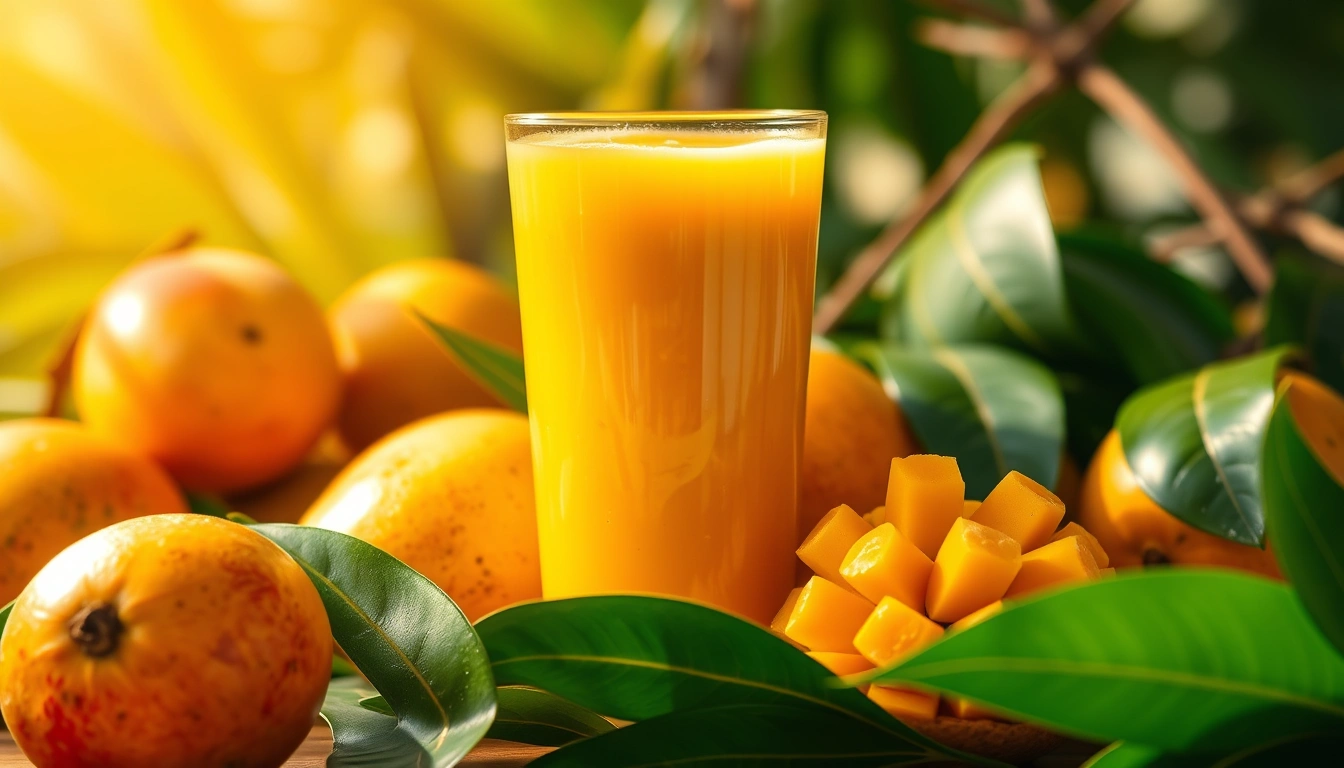
Mango juice
60 kcal per 100 g
Category: Fruits
Nutritional information (per 100 g)
| Calories | 60 kcal |
| Protein | 0.5g |
| Carbohydrates | 15g |
| Sugars | 13.7g |
| Total fats | 0.4g |
| Fiber | 0.2g |
Vitamins and minerals
Description
Mango juice is the liquid obtained from the fresh pulp of the mango, a tropical fruit very popular in Latin American cuisine and other warm regions of the world. This juice is characterized by its sweet, aromatic, and slightly acidic flavor, which adds a refreshing and exotic touch to various recipes, from beverages to desserts and sauces.
Origin: The mango (Mangifera indica) is native to South Asia, primarily India and Myanmar, but its cultivation has spread widely throughout Latin America, the Caribbean, and Africa. In Hispanic American cuisine, mango juice is highly valued for its versatility and ability to complement flavors, especially in warm climates where mangoes are abundant.
Properties: Mango juice is rich in vitamins A and C, which help strengthen the immune system and maintain healthy skin. It also contains antioxidants and dietary fiber, although in lesser amounts in liquid form, contributing to a balanced diet. Due to its natural sweetness, it is frequently used as a sweetener in preparations without the need to add extra sugar.
Synonyms in Spanish from Latin America: Jugo de mango is the most common and widely understood term in all Spanish-speaking countries. In some regions, it is also called zumo de mango, although this term is more frequent in Spain.