Palm sugar
383 kcal per 100 g
Category: Sweets and Sweeteners
Nutritional information (per 100 g)
| Calories | 383 kcal |
| Protein | 0g |
| Carbohydrates | 96g |
| Sugars | 96g |
| Total fats | 0g |
| Fiber | 0g |
Vitamins and minerals
Description
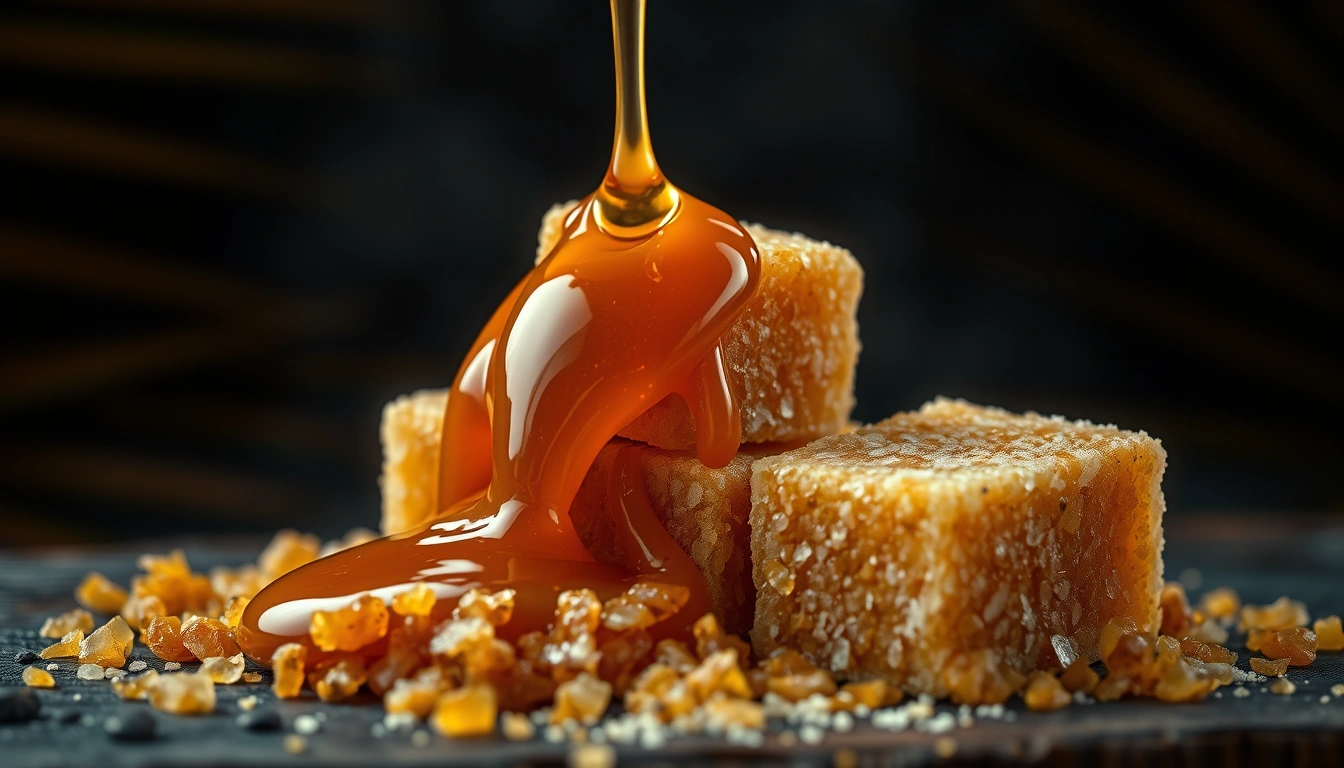
Palm sugar is a natural sweetener obtained from the sap of various palm trees, such as the sugar palm or the date palm. Its consistency can range from a thick liquid to a grainy solid or blocks, and it is recognized for its sweet flavor with caramelized notes and a smoky touch that adds depth to dishes.
This ingredient is widely used in the traditional cuisines of Southeast Asian, African, and Latin American countries, especially in regions where palms grow abundantly. Its use has spread globally as it is a more natural and less refined alternative to conventional white sugar.
From a nutritional standpoint, palm sugar contains minerals such as iron, zinc, potassium, and calcium, as well as small amounts of B-complex vitamins. Furthermore, it has a lower glycemic index compared to refined sugar, making it a preferred option for those seeking a healthier sweetener.
In Latin America, this ingredient may also be known as panela, piloncillo, or rapadura, depending on the region and the type of processing. However, it is important to distinguish that, although similar, panela and piloncillo usually derive from sugarcane, while palm sugar comes specifically from the sap of palms.
In cooking, palm sugar is used to sweeten beverages, desserts, sauces, and stews, providing a unique flavor that enhances the complexity of the final dish.