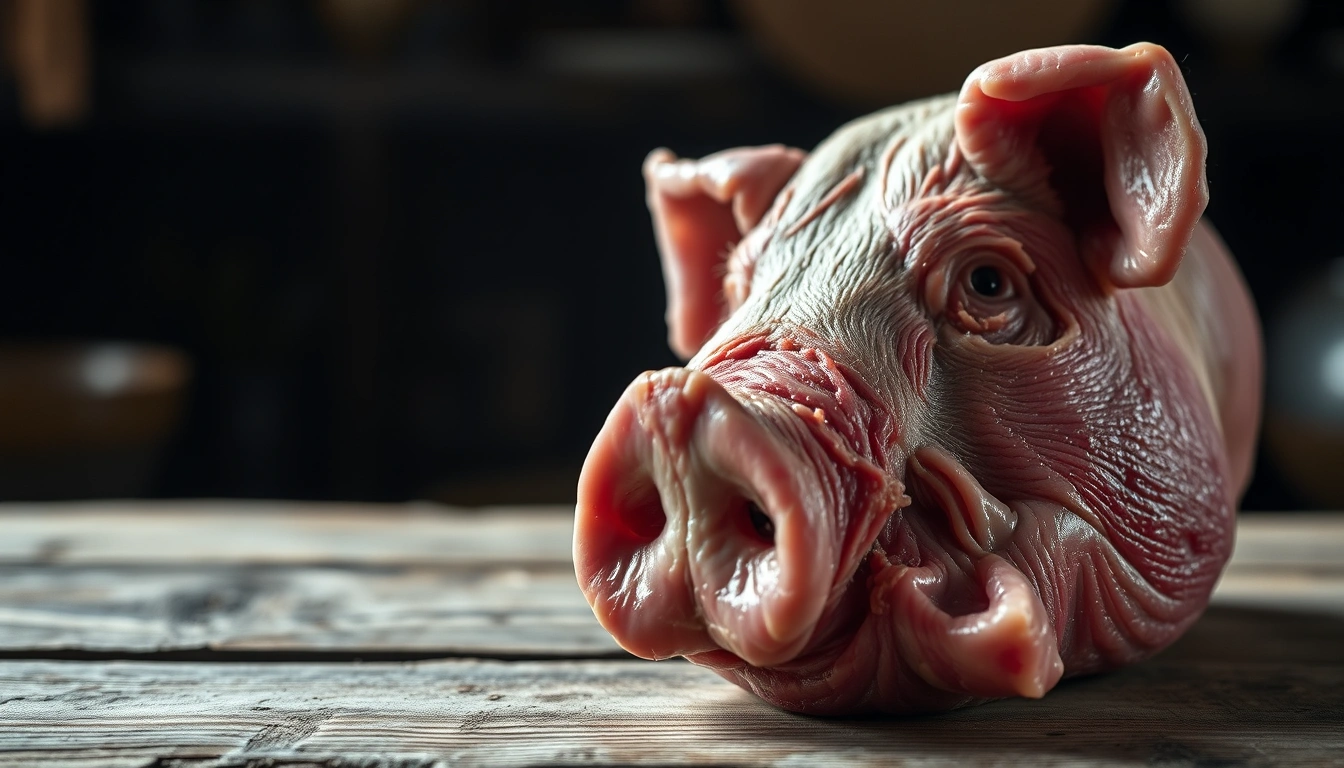
Pig's head
243 kcal per 100 g
Category: Meat
Nutritional information (per 100 g)
| Calories | 243 kcal |
| Protein | 19.5g |
| Carbohydrates | 0g |
| Total fats | 18.4g |
| Fiber | 0g |
| Sodium | 75mg |
| Cholesterol | 90mg |
Vitamins and minerals
Description
Pig's head is a traditional ingredient in various cuisines around the world, particularly in Hispanic and Latin American gastronomy. It refers to the front part of the pig, which includes muscles, skin, fat, and cartilage, giving it a gelatinous texture and a deep flavor when cooked properly.
Its use dates back to times when all parts of the animal were utilized to avoid waste, and today it is highly valued in preparations such as cocido (stew), embutidos (sausages), tacos de cabeza (head tacos), and other traditional stews.
Origin: Pig's head has been used since ancient times in the Iberian Peninsula and in Latin American indigenous cuisines, adapting to local culinary techniques. Today, it remains a typical component in regional dishes of countries like Mexico, Colombia, Peru, and Spain.
Properties: It is a rich source of collagen due to its skin and cartilage content, which helps prepare broths and stews with a thick and nutritious texture. Additionally, it provides proteins, fats, and essential minerals. Due to its fat content, it is recommended to consume it in moderation.
Synonyms in Spanish from Latin America:
- Cabeza
- Cachete (when specifically referring to the cheek)
- Morro (in some regions when including the snout)
- Maciza de cerdo (in certain areas)
This ingredient is ideal for those seeking traditional recipes and intense flavors, adding texture and depth to stews, broths, and fillings.