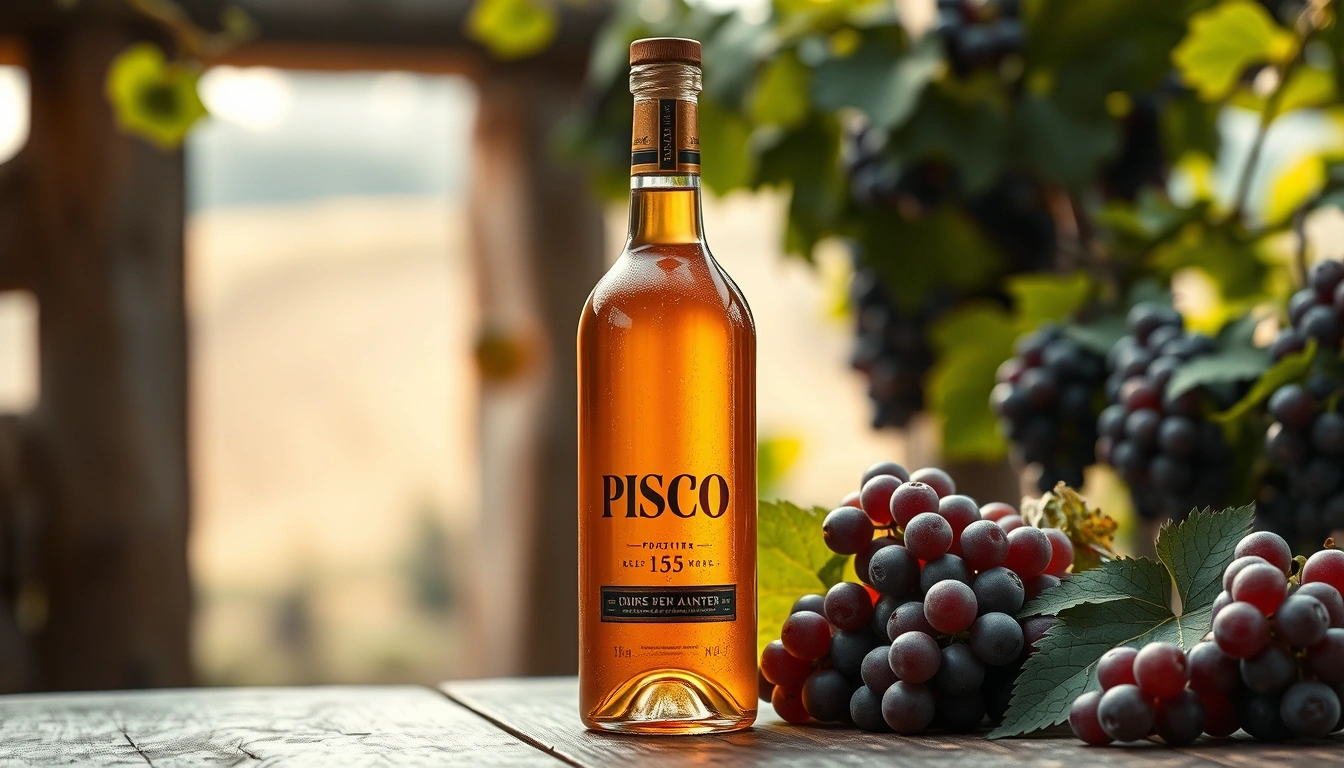
Pisco
231 kcal per 100 g
Category: Beverages
Nutritional information (per 100 g)
| Calories | 231 kcal |
| Protein | 0g |
| Carbohydrates | 0g |
| Sugars | 0g |
| Total fats | 0g |
| Saturated fats | 0g |
| Fiber | 0g |
| Sodium | 0mg |
Vitamins and minerals
Description
Pisco is an alcoholic distillate made from the fermentation and distillation of grapes, primarily in the wine-growing regions of Peru and Chile. This spirit is known for its smooth and aromatic flavor, with fruity notes that vary depending on the type of grape used and the production process.
Pisco has its origins in the 16th century, when Spanish colonizers introduced the grapevine to South America. Its name comes from the Peruvian town of Pisco, where this liquor began to be produced in a traditional manner. Currently, both Peru and Chile claim the origin and designation of this product, making it a cultural and gastronomic symbol in both countries.
Regarding its properties, pisco contains a moderate level of alcohol, typically between 38% and 48%, which gives it an intense yet balanced character on the palate. It is an ideal ingredient for classic cocktails such as the pisco sour or the chilcano, adding body and aroma to the mixes.
In the Hispanic American gastronomic context, pisco does not have many synonyms due to its specific character as a designation of origin, but in some regions it may be referred to as grape brandy or simply brandy, although these terms are more generic and can apply to other distillates.