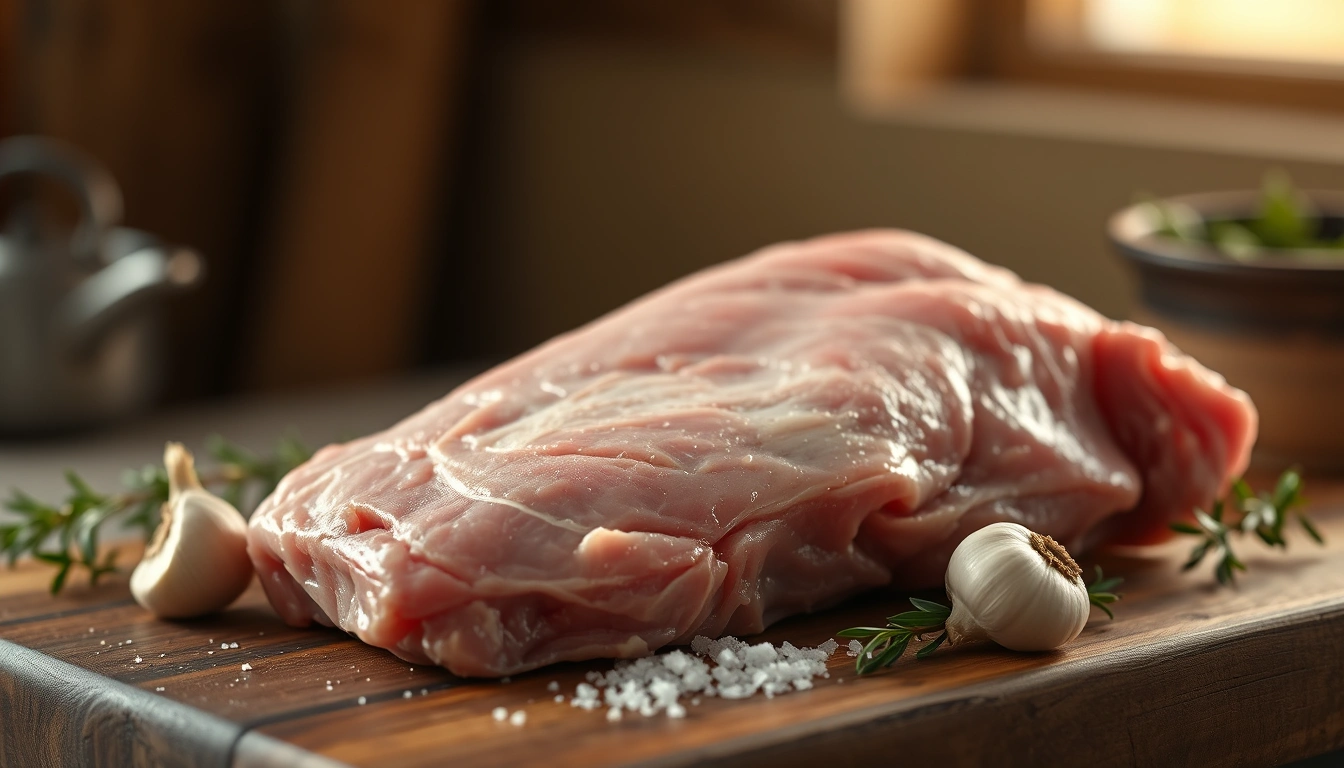
Pork boneless meat
143 kcal per 100 g
Category: Meat
Nutritional information (per 100 g)
| Calories | 143 kcal |
| Protein | 20.9g |
| Carbohydrates | 0g |
| Total fats | 6.3g |
| Saturated fats | 2.3g |
| Fiber | 0g |
| Sodium | 62mg |
| Cholesterol | 70mg |
Vitamins and minerals
Description
Boneless pork shoulder is a lean and tender cut that comes from the muscular part of the pig, generally taken from the shoulder or neck, though this can vary by region. This ingredient is highly valued in cooking for its versatility and soft texture, making it ideal for stews, braises, steaks, and preparations that require juicy meat that is low in fat.
Its origin dates back to pig farming in various regions of the world, being very common in Latin America, Europe, and Asia. Boneless pork shoulder is preferred in many traditional recipes for its ease of handling and quick cooking time.
Regarding its nutritional properties, this cut is a good source of high-quality protein, low in fat if selected properly, and provides B-complex vitamins, especially B1 (thiamine), which is essential for energy metabolism. It also contains minerals such as zinc and phosphorus, which are important for the immune system and bone health.
In the culinary sphere of Hispanic America, boneless pork shoulder may be known by different synonyms depending on the country, such as:
- Deboned pork meat
- Lean pork meat
- Boneless pork shoulder (in some countries for similar cuts)
- Cuete de cerdo (in some Central American and Mexican countries, though it may refer to other parts)
This ingredient is essential in numerous traditional and modern recipes, providing ideal flavor and texture for those seeking a versatile and healthy alternative within white meats.