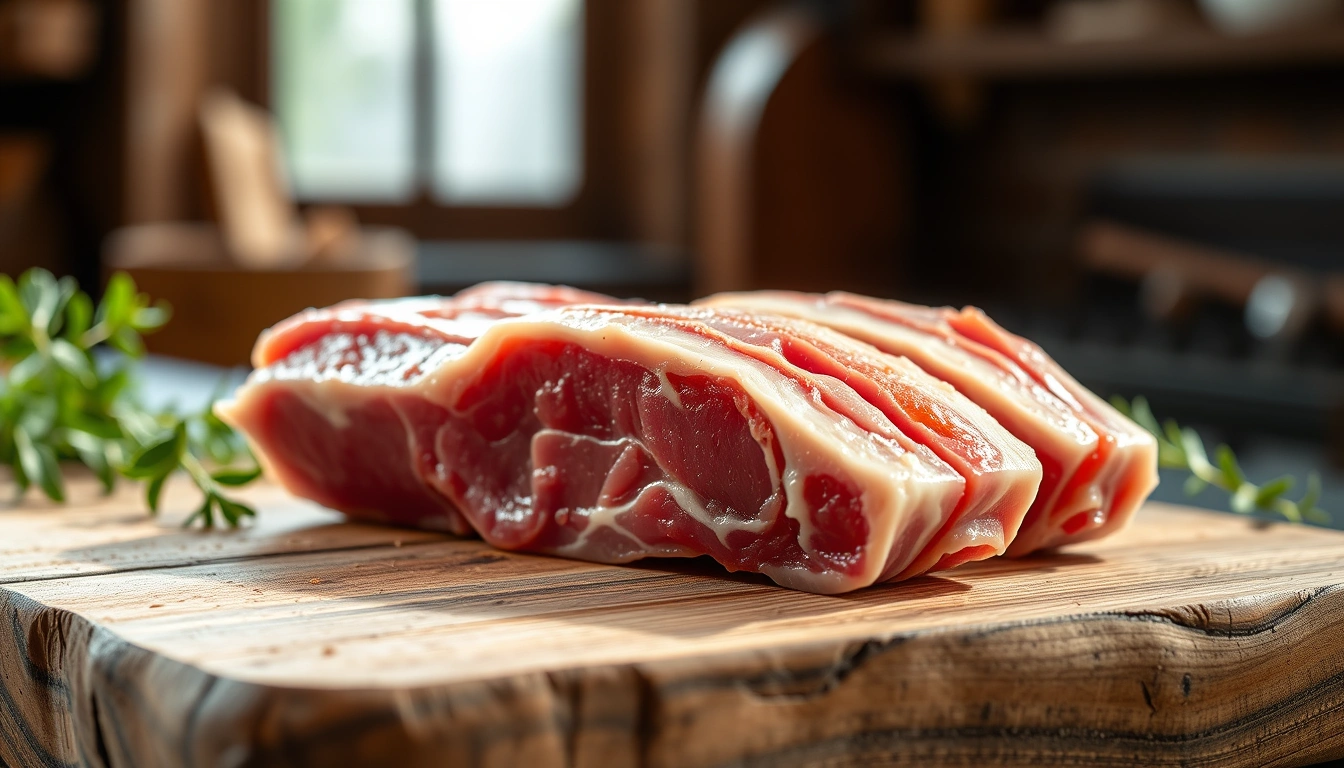
Pork knuckles
250 kcal per 100 g
Category: Meat
Nutritional information (per 100 g)
| Calories | 250 kcal |
| Protein | 27g |
| Carbohydrates | 0g |
| Total fats | 15g |
| Saturated fats | 5g |
| Fiber | 0g |
| Sodium | 70mg |
| Cholesterol | 90mg |
Vitamins and minerals
Description
Pork knuckles are a cut of meat obtained from the lower part of the pig's leg, just above the hoof. This portion includes meat, bone, and a good amount of connective tissue, making it an ideal ingredient for preparations that require prolonged cooking, such as stews, braises, and roasts, as slow cooking makes the meat tender and juicy, releasing an intense and characteristic flavor.
The origin of the pork knuckle is linked to the culinary tradition of various European regions, especially in countries like Germany, where it is used in emblematic dishes such as Schweinshaxe. However, in Hispanic American cuisine, it is also frequently used in home recipes and festivities, adapting to different local techniques and flavors.
Regarding its nutritional properties, the knuckle is a rich source of protein and collagen, contributing to skin and joint health. It also contains fats, so it is recommended to consume it in moderation, especially in low-lipid diets.
In different Spanish-speaking regions, the pork knuckle goes by various names that may vary, including:
- Codillo (most common term in Spain and several Latin American countries)
- Jarrete (used in Mexico, Cuba, and other countries)
- Coatillo (in some areas of Mexico)
- Pernil (although it generally refers to the whole leg, it is sometimes used for cuts near the knuckle)
This ingredient is perfect for those seeking dishes with deep flavor, soft texture, and a traditional touch. Ideal for soups, nutritious broths, and preparations that value the richness of pork in its most substantial form.