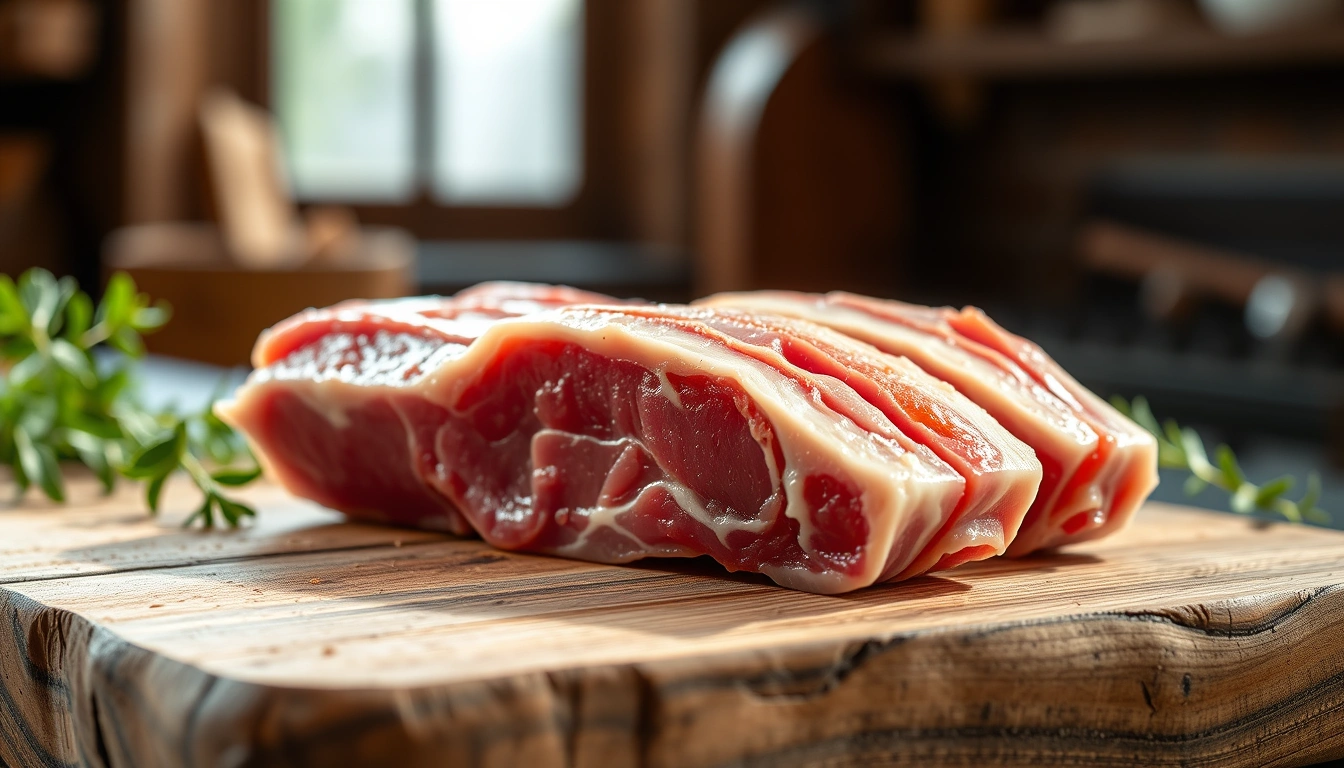
Pork knuckles
217 kcal per 100 g
Category: Meat
Nutritional information (per 100 g)
| Calories | 217 kcal |
| Protein | 22g |
| Carbohydrates | 0g |
| Total fats | 14g |
| Sodium | 70mg |
| Cholesterol | 75mg |
Vitamins and minerals
Description
Pork knuckles are a cut of pork located in the lower part of the leg, just before the ham, and correspond to the segment of bone with meat and skin found between the knee and ankle of the animal. This meat is prized for its intense flavor and gelatinous texture when slow-cooked, making it ideal for stews, braises, and traditional recipes like roasted or boiled knuckle.
Origin: Pork knuckle is a very popular ingredient in European cuisine, especially in countries like Germany, Spain, and Austria, where it is common in typical dishes. It is also consumed in Latin America, albeit with varied names and preparations.
Properties: This cut is rich in collagen, proteins, and fats, which contributes to making preparations juicy and with a soft texture after prolonged cooking. Furthermore, it provides minerals like iron and zinc, which are important for nutrition. However, as it is a meat with a certain amount of fat, it is recommended to consume it in moderation within a balanced diet.
Synonyms in Spanish from Latin America: In different regions, pork knuckle may be called names such as jarrete de cerdo, trozo de pernil, or simply jarrete. In some countries, it is used interchangeably to refer to a similar portion in beef or pork, so it is important to verify the context of the recipe.