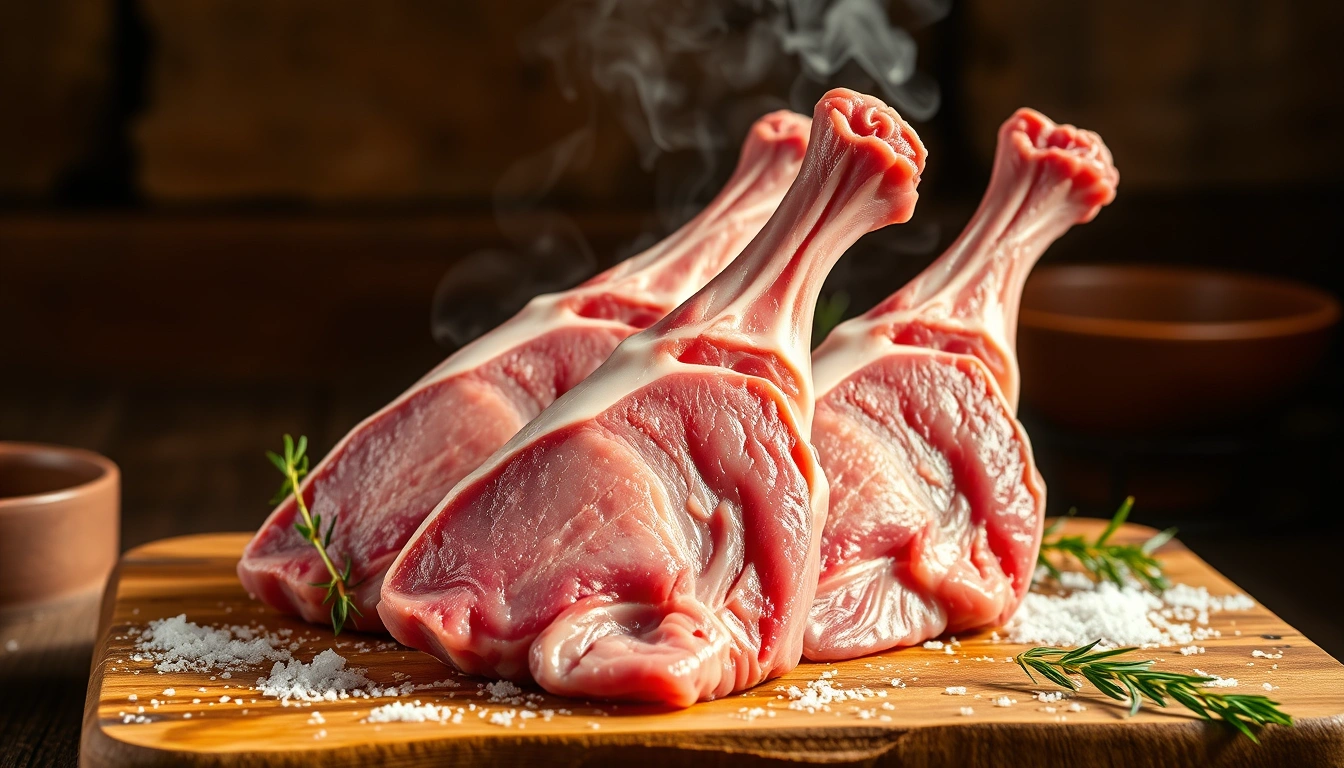
Pork legs
217 kcal per 100 g
Category: Meat
Nutritional information (per 100 g)
| Calories | 217 kcal |
| Protein | 21.8g |
| Carbohydrates | 0g |
| Total fats | 14g |
| Fiber | 0g |
| Sodium | 65mg |
| Cholesterol | 88mg |
Vitamins and minerals
Description
Pork legs refer to the hind limbs of the pig, a cut of meat highly valued in gastronomy for its intense flavor and versatility in cooking. This part of the pig is especially prized for preparing dishes such as stews, braises, roasts, and also for making traditional sausages.
The origin of pork legs is tied to pig farming, an ancient practice in many cultures around the world, especially in regions of Spain and Latin America where pork is a staple food. The leg can be consumed fresh or cured (like ham) and is fundamental in numerous traditional recipes.
Regarding its properties, pork legs are an important source of high biological value proteins, B vitamins (such as B1 or thiamine), as well as essential minerals like zinc and iron. This meat has a moderate fat content, which contributes flavor and juiciness to dishes.
In Latin American Spanish, pork legs are known by different names depending on the region. Some common synonyms include pernil (widely used in countries like Puerto Rico, Venezuela, and Colombia), jamón when the leg is cured, and in certain areas, they are also called muslo (thigh) or simply pierna (leg).
Including pork legs in your recipes will add a meaty texture and a deep flavor, ideal for traditional dishes, celebrations, and home cooking that requires a robust and tasty ingredient.