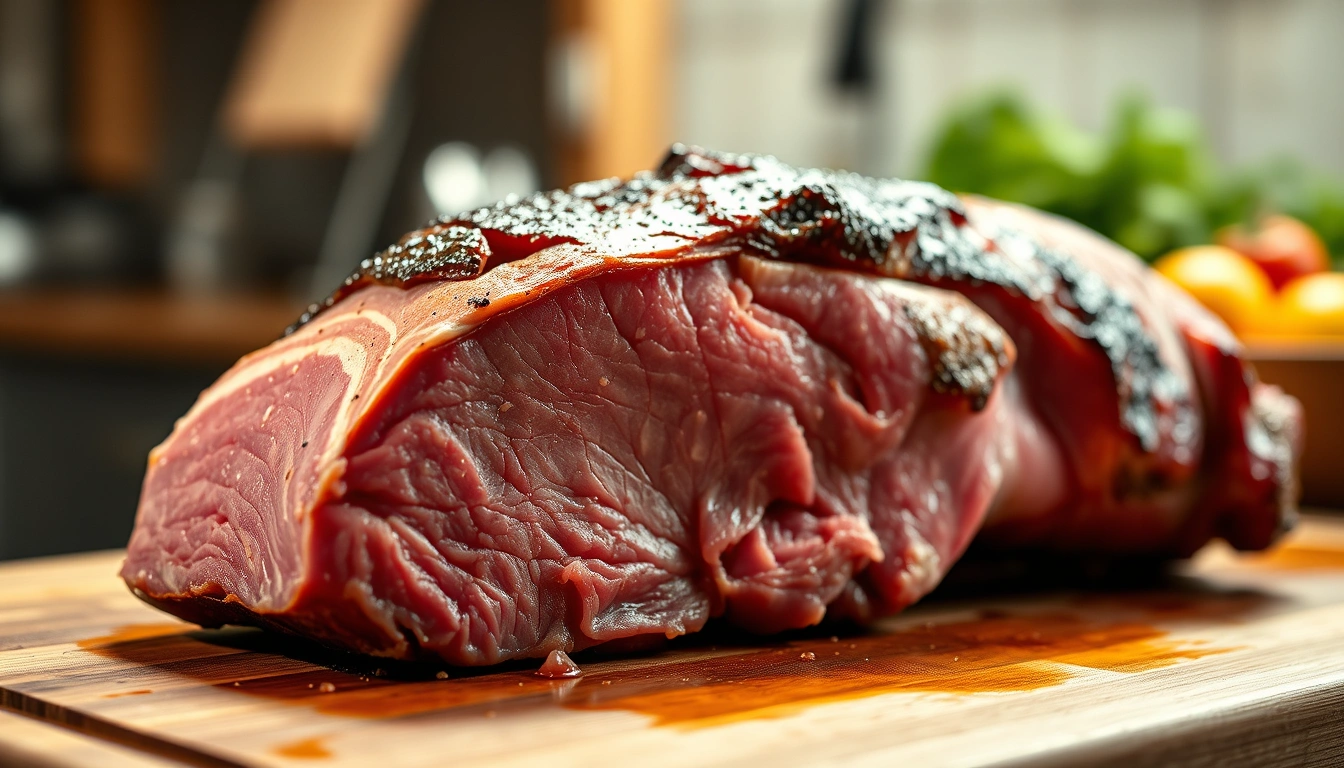
Pork neck
242 kcal per 100 g
Category: Meat
Nutritional information (per 100 g)
| Calories | 242 kcal |
| Protein | 20g |
| Carbohydrates | 0g |
| Total fats | 18g |
| Saturated fats | 6.9g |
| Fiber | 0g |
| Sodium | 70mg |
| Cholesterol | 81mg |
Vitamins and minerals
Description
Pork neck is a cut of meat obtained from the upper loin of the pig, near the head and the base of the neck. This cut is characterized by its juicy texture and balanced fat content, making it ideal for preparations that require prolonged cooking, such as stews, braises, roasts, or grilling.
Pork neck is highly valued in various cuisines across Latin America and Spain for its intense flavor and versatility in the kitchen. Its origin comes from the same porcine anatomy, and it is an economical and tasty option for those seeking a cut with good fat marbling that contributes flavor and tenderness.
Among its properties, pork neck is rich in high-quality proteins, in addition to containing B-complex vitamins and minerals such as iron and zinc. The fat present also contributes to a soft and juicy texture after cooking.
Depending on the country, pork neck may be known by different names in Spanish, such as pescuezo de cerdo, pernil de cerdo (in some places, although this term can vary), or simply cuello. In Mexico, for example, it is also called cabecita de cerdo when it includes adjacent parts, although it is more common to use 'cuello' to refer to the specific cut.
This ingredient is ideal for those seeking traditional recipes with intense flavors and tender textures, offering multiple options for the development of regional and home-style dishes.