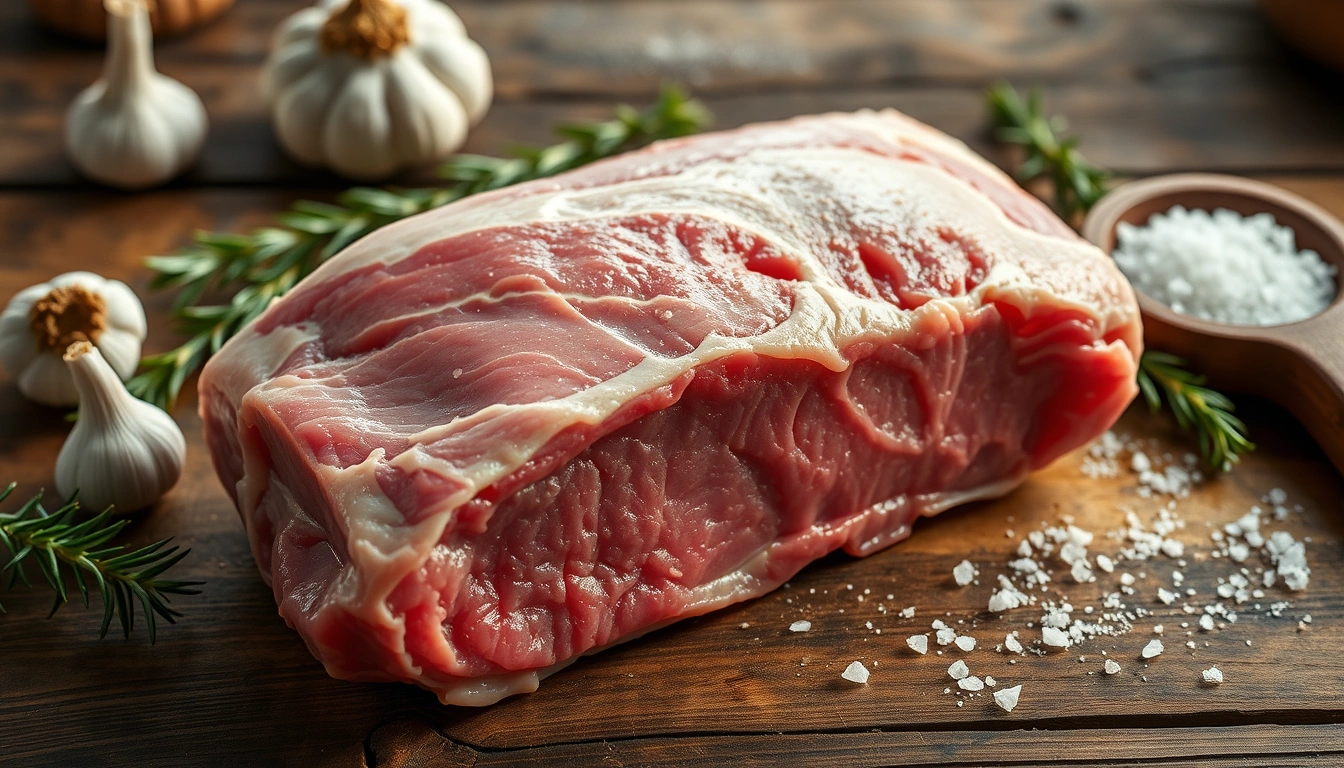
Pork pulp
242 kcal per 100 g
Category: Meat
Nutritional information (per 100 g)
| Calories | 242 kcal |
| Protein | 27g |
| Carbohydrates | 0g |
| Sugars | 0g |
| Total fats | 14g |
| Saturated fats | 5g |
| Fiber | 0g |
| Sodium | 70mg |
| Cholesterol | 80mg |
Vitamins and minerals
Description
Pork leg meat is a cut of meat that comes from the rear of the pig, specifically from the muscles that form the leg or fresh ham. This type of meat is lean, with a good balance of meat and some fat that adds juiciness, making it ideal for a wide variety of culinary preparations such as stews, casseroles, sausages, or ground meat.
Its origin is closely linked to traditional pig farming in various regions, and it is a common cut in both European and Latin American cuisines. Pork leg meat is valued for its firm texture and mild flavor, which easily adapts to different seasonings and cooking techniques.
Regarding its properties, pork leg meat is a good source of high-quality protein, B vitamins (especially B1 or thiamine), and minerals such as zinc and iron. Being relatively low in saturated fats when lean cuts are chosen, it is considered a nutritious option for balanced diets.
In Hispanic America, pork leg meat may have different synonyms depending on the region, among which the most common are: pork leg, fresh ham, pork shoulder (although the latter corresponds more to the front leg), and in some countries, it is simply called pork meat without specifying the cut.