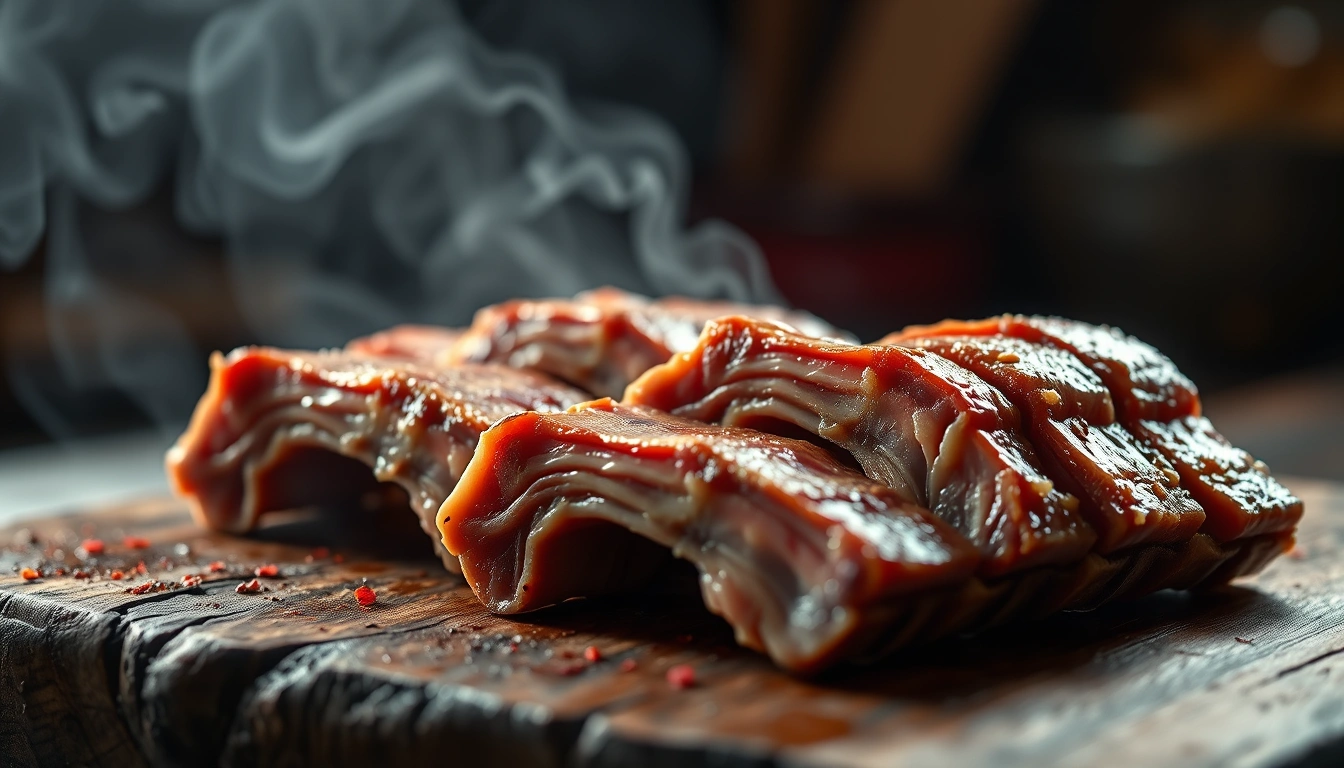
Pork spare ribs
290 kcal per 100 g
Category: Meat
Nutritional information (per 100 g)
| Calories | 290 kcal |
| Protein | 22g |
| Carbohydrates | 0g |
| Total fats | 20g |
| Sodium | 65mg |
| Cholesterol | 80mg |
Vitamins and minerals
Description
Small pork ribs are a highly valued cut of meat in cooking for their intense flavor and juicy texture. They are obtained from the lower part of the pig's ribs, generally cut into smaller portions that facilitate their cooking and consumption. These ribs have a good proportion of meat and fat, making them ideal for grilling, baking, or stewing, providing a deep flavor and a tender texture when cooked properly.
The origin of pork ribs is linked to the culinary tradition of many cultures, especially in Latin America, the United States, and Europe, where they are an essential part of typical dishes like BBQ ribs, stews, and grilled meats.
From a nutritional point of view, small pork ribs are a rich source of proteins and fats that provide energy. They also contain B vitamins, such as B12, which are necessary for energy metabolism and the formation of red blood cells. However, due to their fat content, it is recommended to consume them in moderation as part of a balanced diet.
In the Hispanic-American culinary context, small pork ribs may have different names depending on the region. Some common synonyms are: costillitas (Argentina, Mexico, Chile), costillas chiquitas (various regions), or simply pork ribs. In some countries, they are called cuete de cerdo or costillitas de cerdo, although these names may vary locally.
This ingredient is very versatile and its flavor is enhanced with marinades, spices, and slow-cooking techniques, making it a favorite for both traditional and modern recipes throughout the Spanish-speaking world.