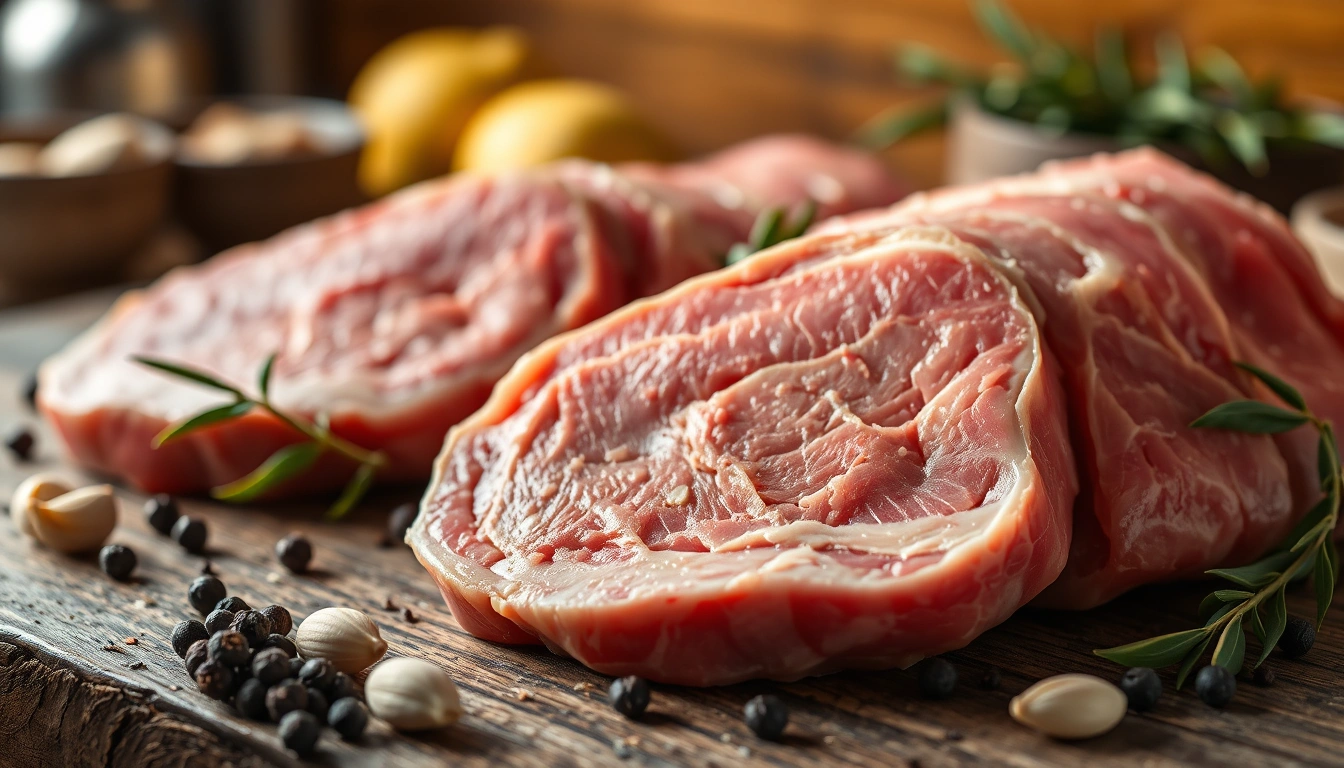
Pork stew meat
250 kcal per 100 g
Category: Meat
Nutritional information (per 100 g)
| Calories | 250 kcal |
| Protein | 27g |
| Carbohydrates | 0g |
| Total fats | 15g |
| Saturated fats | 5g |
| Fiber | 0g |
| Sodium | 70mg |
| Cholesterol | 80mg |
Vitamins and minerals
Description
Stewing pork is a cut of pork specially selected for preparing stews and braises. It generally comes from parts of the pig with a good amount of connective tissue and fat, such as the neck, shoulder, or leg, which adds flavor and juiciness to the dish after slow, prolonged cooking.
Pork is a fundamental ingredient in many cuisines around the world, with an origin dating back thousands of years in Eurasia. In Latin America, pork arrived with European colonization and has become deeply integrated into the local gastronomy, being key in countless traditional recipes.
In terms of its properties, stewing pork is rich in high-quality proteins, B-complex vitamins (such as B1, B6, and B12), and essential minerals like zinc and iron. Furthermore, its moderate fat content contributes to obtaining more flavorful broths and sauces with a rich texture.
In different Latin American countries, stewing pork goes by various synonymous names that can help you identify the right ingredient: braising meat, stewing cuts, pork shoulder (when this specific cut is used), or simply cooking pork. It is important to note that these terms may vary, but they always refer to parts of the pig that are ideal for slow cooking to obtain tender and flavorful dishes.