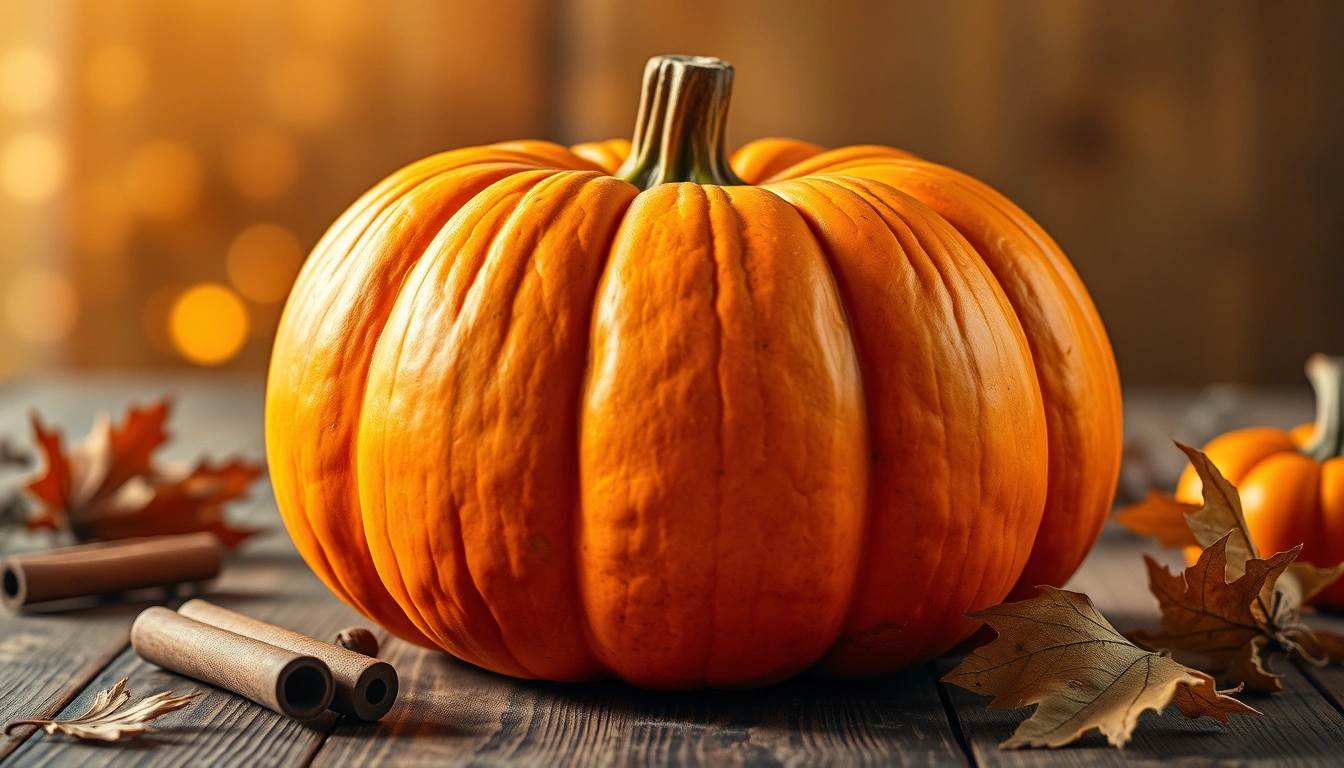
Pumpkin
26 kcal per 100 g
Category: Vegetables
Nutritional information (per 100 g)
| Calories | 26 kcal |
| Protein | 1g |
| Carbohydrates | 6.5g |
| Total fats | 0.1g |
| Fiber | 1.1g |
Vitamins and minerals
Description
Pumpkin is an ingredient widely used in the cuisine of many cultures around the world, especially in traditional and seasonal recipes. It is the fruit of plants of the Cucurbita genus, known for their sweet, fleshy pulp and generally hard, orange or yellow rind. Pumpkin stands out for its versatility, as it can be used in both sweet and savory preparations, from soups, stews, and purées to desserts and breads.
Native to the Americas, pumpkin was cultivated by pre-Columbian civilizations long before the arrival of Europeans, being a staple food in the indigenous diet. Its cultivation spread rapidly to other regions due to its easy adaptation and nutritional properties.
Regarding its nutritional properties, pumpkin is low in calories and rich in dietary fiber, which aids digestion. It is an important source of vitamin A (beta-carotene), vitamin C, potassium, and antioxidants, which help strengthen the immune system, improve eye health, and maintain healthy skin.
In the gastronomic context of Latin America, pumpkin goes by different names depending on the region. Among the most common synonyms are zapallo (Chile, Argentina, Uruguay, and parts of Peru), auyama (Colombia, Venezuela, Dominican Republic), ayote (Guatemala, Honduras, El Salvador), and in Mexico, it is simply known as calabaza or sometimes calabacita when it is small in size.
Its natural sweet flavor and creamy texture when cooked make it an ideal ingredient for a wide variety of recipes, being a star in seasonal autumn and Christmas dishes, as well as in the daily diet of many Latin American families.