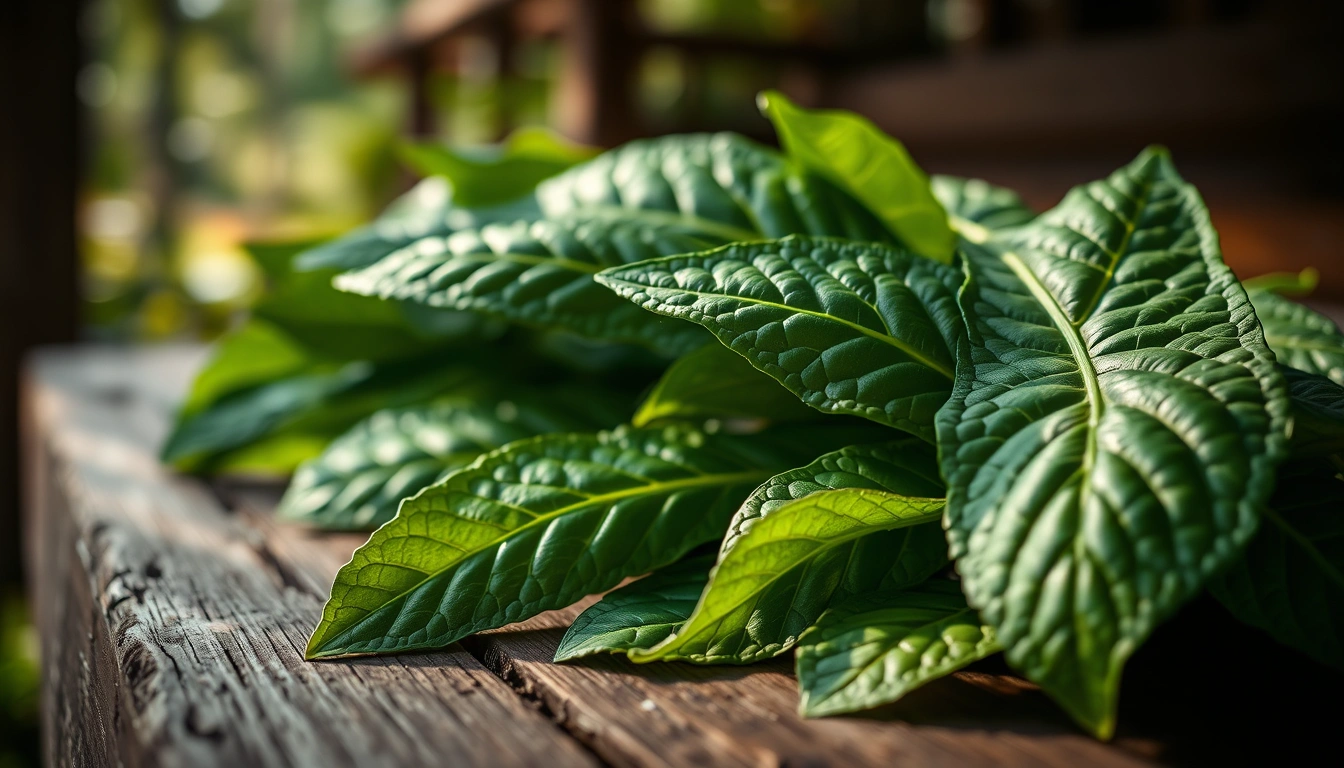
Quelites
23 kcal per 100 g
Category: Vegetables
Nutritional information (per 100 g)
| Calories | 23 kcal |
| Protein | 2.6g |
| Carbohydrates | 4.0g |
| Total fats | 0.4g |
| Fiber | 3.5g |
Vitamins and minerals
Description
Quelites is a term used in Mexican cuisine and various regions of Hispanic America to refer to a group of edible plants, primarily green leaves, which are used as vegetables in various traditional recipes. These wild plants often include varieties such as quintonil, purslane, verdoloto, and other tender leaves that grow naturally in the wild.
Origin: Quelites have an ancestral origin in the diet of the indigenous peoples of Mesoamerica, where they have been consumed since pre-Hispanic times. Their use is closely linked to traditional Mexican cuisine, although they are also found in dishes from countries such as Mexico, Guatemala, El Salvador, and some rural areas of South America.
Properties: Quelites are known for their high content of essential nutrients, such as vitamins A, C, and B complex, as well as minerals like iron, calcium, and phosphorus. They are also rich in fiber and antioxidants, making them a healthy ingredient that aids digestion and strengthens the immune system.
Synonyms in Hispanic America: depending on the region, quelites may be called by different names, such as: quintoniles, purslane, turnip greens, piri piri, wild herbs, and edible green leaves. In some countries, more specific terms are used for certain varieties, but in general terms, "quelites" groups together these wild edible plants used in traditional cooking.
In cooking, quelites can be prepared sautéed, in broths, soups, quesadillas, or as a garnish, providing a fresh, slightly bitter flavor and great nutritional richness to dishes.