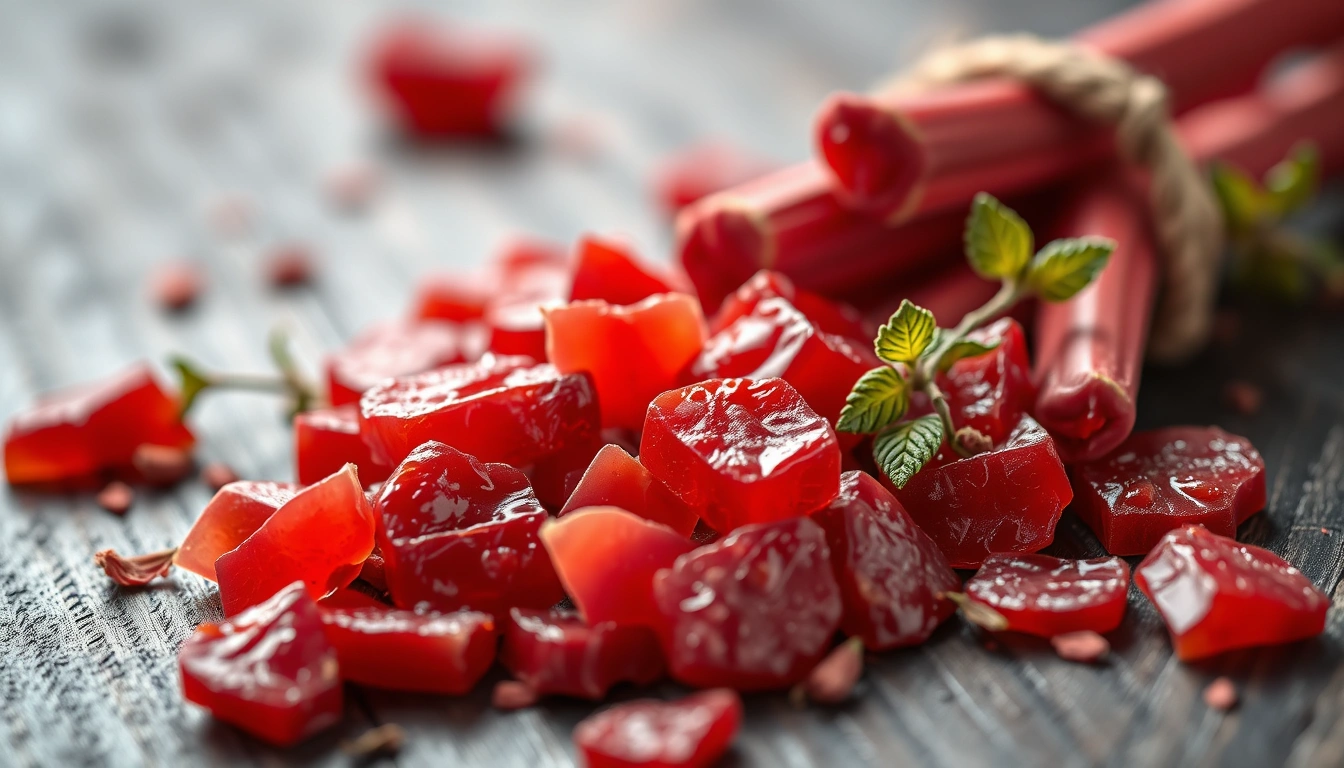
Red licorice
350 kcal per 100 g
Category: Sweets and Sweeteners
Nutritional information (per 100 g)
| Calories | 350 kcal |
| Protein | 3.8g |
| Carbohydrates | 77g |
| Sugars | 65g |
| Total fats | 0.7g |
| Fiber | 0.5g |
| Sodium | 55mg |
Vitamins and minerals
Description
Red licorice is a natural ingredient primarily used as a flavoring and sweetener in various cooking and baking recipes. Unlike traditional black licorice, which comes from the root of the Glycyrrhiza glabra plant, red licorice generally refers to fruit or herb-based varieties that mimic its sweet and slightly anise-like flavor, although it can sometimes also include products with natural flavorings or colorings.
Origin: Black licorice comes from the root of the plant native to the Mediterranean region and Western Asia. "Red licorice," more commonly, is related to preparations or mixtures derived from fruits like beetroot or berry-based flavorings, and is popular in Latin American countries and Spain for the production of candies and sweets.
Properties: In cooking, red licorice provides a sweet and slightly acidic flavor that can refresh and differentiate desserts, beverages, and some sauces. Furthermore, it is often a milder and less bitter option than black licorice. In its natural form, licorice has digestive and anti-inflammatory properties, although these qualities may vary if the red licorice is a processed or flavored product.
Synonyms in Latin America: Although the term "red licorice" is the most common, in some countries it is also known as "red licorice candy" or simply "fruit licorice". In some contexts, it may be referred to as "sweet licorice" or even "licorice candy", especially when sold as a confectionery.
In recipes, red licorice is ideal for adding a special touch to desserts, jellies, refreshing beverages, and artisanal sweets, providing vibrant color and characteristic flavor.