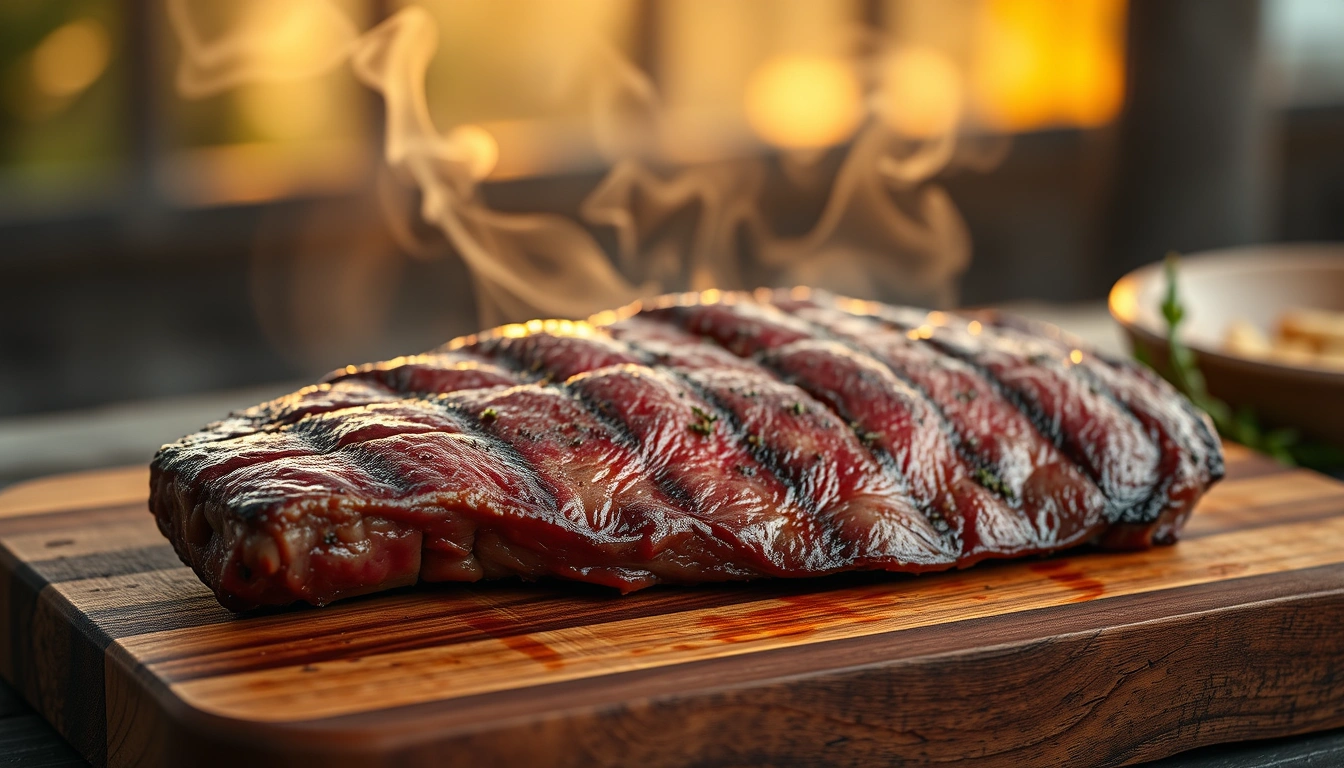
Roast
250 kcal per 100 g
Category: Meat
Nutritional information (per 100 g)
| Calories | 250 kcal |
| Protein | 26g |
| Carbohydrates | 0g |
| Total fats | 15g |
| Saturated fats | 6g |
| Fiber | 0g |
| Sodium | 70mg |
| Cholesterol | 80mg |
Vitamins and minerals
Description
Asado is a widely used term in Latin American cuisine to refer to a cooking technique that involves grilling meats, generally outdoors, over embers or direct fire. In many countries, asado is not only a cooking method but also a deeply rooted social and cultural tradition.
The origin of asado is found primarily in the regions of the Southern Cone, especially in Argentina, Uruguay, Chile, and parts of Paraguay and Brazil, where livestock farming has historically been a fundamental activity. This way of preparing meat has its roots in the practices of the gauchos (cowboys) who used open fire to cook beef and other animals in the countryside.
Regarding its properties, asado stands out for its intense and characteristic flavor, achieved through slow cooking and direct exposure to fire, which gives the meat a smoky aroma and a juicy texture. Furthermore, as it is cooked without many additional ingredients, it highlights the quality and naturalness of the meat.
In different Spanish-speaking countries, the term asado can have some synonyms or variations depending on the context:
- In Mexico, although not exactly the same, carne asada is used to refer to grilled or barbecued meat.
- In Colombia and Venezuela, parrilla is sometimes used to talk about grilled meats.
- In Peru, the term anticuchos is used for certain types of skewered grilled meat.
- In general, parrillada can be a synonym when referring to dishes with various types of grilled meats.
In summary, asado is more than an ingredient or cooking method: it is a cultural expression that invites sharing moments around the fire while enjoying deliciously grilled meats.