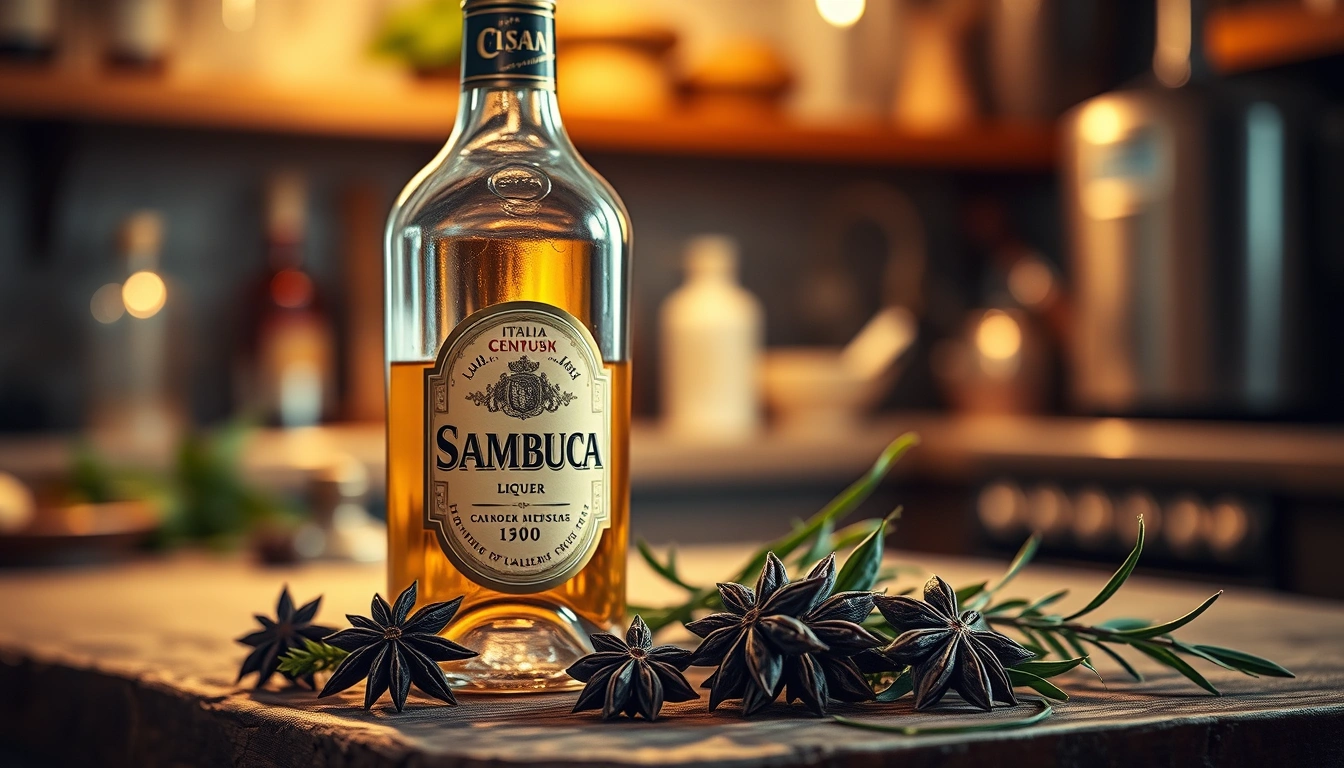
Sambuca liqueur
300 kcal per 100 g
Category: Beverages
Nutritional information (per 100 g)
| Calories | 300 kcal |
| Protein | 0g |
| Carbohydrates | 40g |
| Sugars | 40g |
| Total fats | 0g |
| Fiber | 0g |
Vitamins and minerals
Description
Sambuca Liqueur
Sambuca liqueur is a sweet and aromatic liqueur originating from Italy, made primarily with extracts of anise flowers, along with herbs and spices that give it its characteristic flavor. Its color is usually clear, although versions in blue or black tones also exist.
This liqueur is very popular in gastronomy and mixology for its intense anise aroma and sweet taste, making it ideal for use in desserts, for flambéing dishes, or as an ingredient in cocktails.
Origin: it is traditionally produced in the Lazio region of Italy, with a history dating back centuries, and its name comes from the Latin word sambucus, which refers to the elderflower, although this flower is not currently used in its production.
Properties: although it is an alcoholic liqueur, its moderate use in cooking adds a sweet and aromatic touch that can enhance flavors in various recipes. Furthermore, its anise profile helps balance intense flavors in desserts or sauces. It has a high alcohol content (usually around 38-42%) and should be used with caution.
Substitutes and synonyms in Latin America: in different Spanish-speaking countries, although its specific name is not so common, it may be referred to simply as anise liqueur, or other anise-flavored liqueurs such as anisette or aguardiente anisado may be used. In some places, when trying to replace it in recipes, similar liqueurs such as pacharán or sweet anise liqueur are recommended.