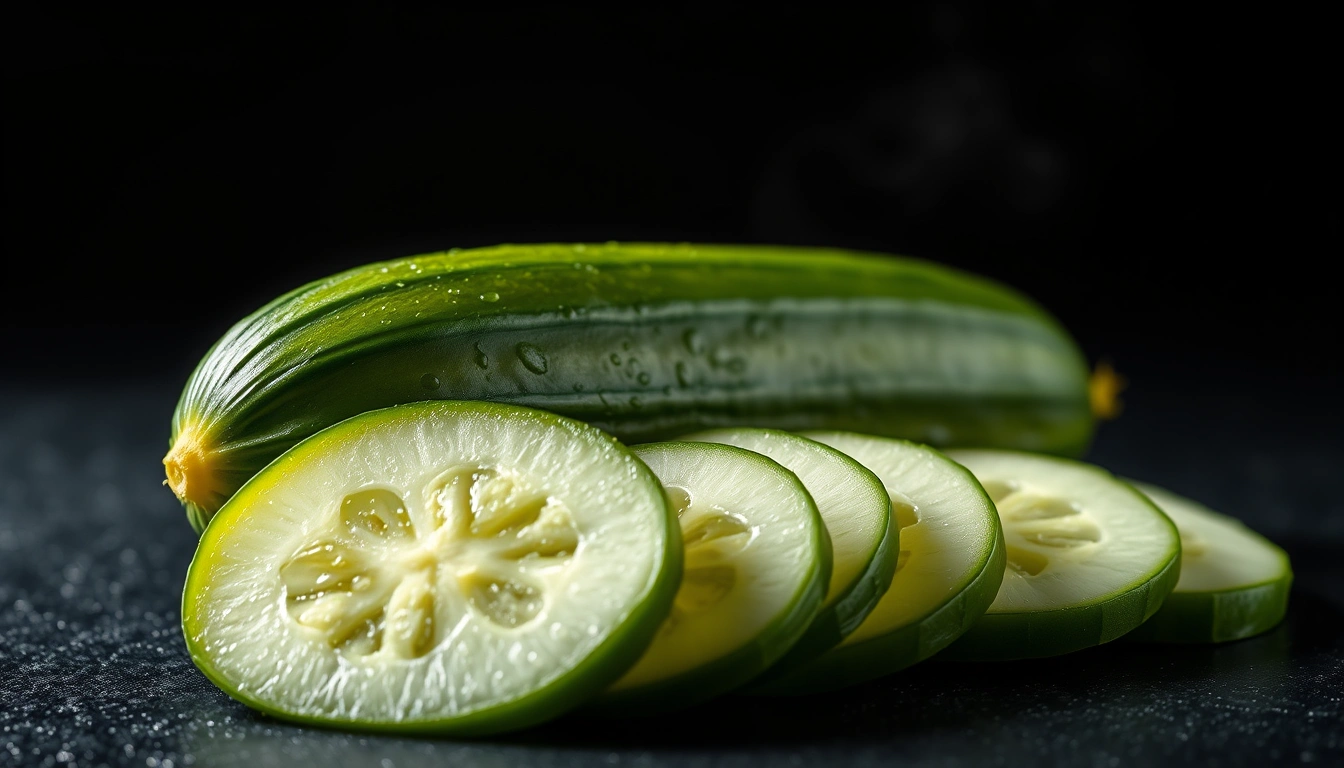
Seedless cucumber
15 kcal per 100 g
Category: Vegetables
Nutritional information (per 100 g)
| Calories | 15 kcal |
| Protein | 0.7g |
| Carbohydrates | 3.6g |
| Total fats | 0.1g |
| Fiber | 0.5g |
Vitamins and minerals
Description
Seedless cucumber is a variant of the common cucumber, characterized by the absence or very low number of seeds inside, which makes it a particularly valued ingredient for recipes that require a softer texture and a fresh flavor without the bitterness that seeds sometimes impart.
This type of cucumber comes mainly from hybrid varieties developed in temperate and subtropical regions, where it is widely cultivated for fresh consumption in salads, gazpachos, and as a complement in sandwiches and dips. Its origin is linked to traditional cucumber crops, which are native to South Asia, but seedless varieties have become popular globally thanks to the demand for more delicate ingredients for modern cuisine.
Regarding its properties, the seedless cucumber is a food with a high water content (more than 90%), which makes it extremely hydrating and low in calories. In addition, it provides fiber, vitamins (such as vitamin K and vitamin C), and essential minerals like potassium and magnesium. Its improved digestibility due to the absence of seeds makes it ideal for people with sensitive stomachs or on light diets.
In the Spanish-speaking world, this ingredient goes by various names depending on the country; some common synonyms include "pepino perita", "Spanish seedless cucumber", or simply "seedless cucumber". It may also be referred to as "sweet cucumber" in certain regions, although this term is sometimes used for specific varieties with a less bitter flavor.