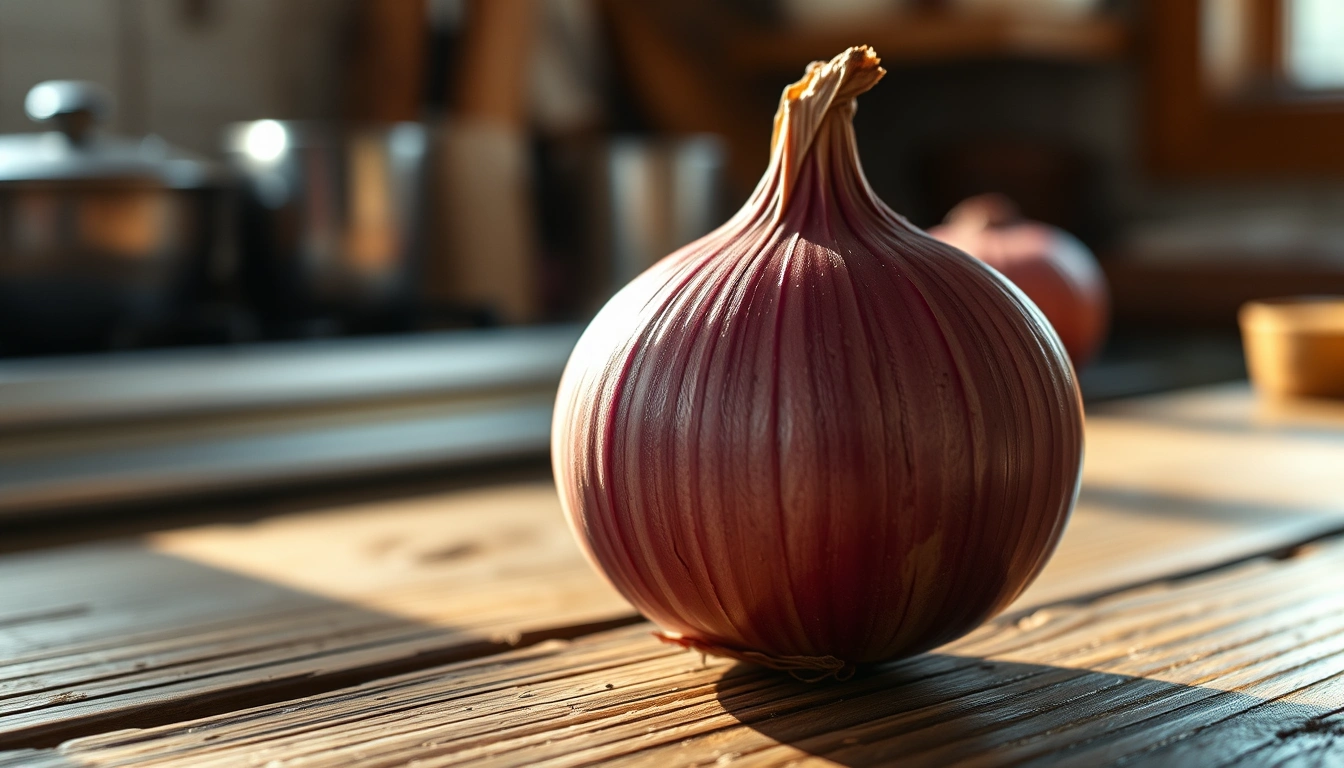
Small onion
40 kcal per 100 g
Category: Vegetables
Nutritional information (per 100 g)
| Calories | 40 kcal |
| Protein | 1.1g |
| Carbohydrates | 9.3g |
| Sugars | 4.2g |
| Total fats | 0.1g |
| Fiber | 1.7g |
Vitamins and minerals
Description
Small onion is a basic ingredient in many cuisines around the world, known for its mild and slightly sweet flavor that adds depth and aroma to a wide variety of dishes. It is a small-sized onion, ideal for stews, salads, sauces, and preparations where a subtle yet distinctive touch is desired.
The origin of the onion dates back thousands of years, making it one of the oldest crops in human history. It is believed to have originated in Central Asia, but its use has spread globally, adapting to numerous culinary cultures.
Among its properties, the small onion stands out for its content of antioxidants, vitamins (such as vitamin C and B6), minerals, and sulfur compounds that may help improve digestion and strengthen the immune system. Furthermore, being small, it is perfect for adding in controlled portions, preserving its flavor without overpowering the dish.
In the Hispanic American context, the small onion may have different names depending on the country or region. Some common synonyms include:
- Cebollita
- Small scallion (although "cebollín" can also refer to chives)
- Pearl onion (in Mexico, although it usually refers to a small, young onion)
In summary, the small onion is a versatile ingredient that is a must-have in the pantry to enhance the flavor of a wide variety of recipes.