Snake beans
31 kcal per 100 g
Category: Vegetables
Nutritional information (per 100 g)
| Calories | 31 kcal |
| Protein | 2g |
| Carbohydrates | 7g |
| Sugars | 3.3g |
| Total fats | 0.2g |
| Fiber | 2.7g |
Vitamins and minerals
Description
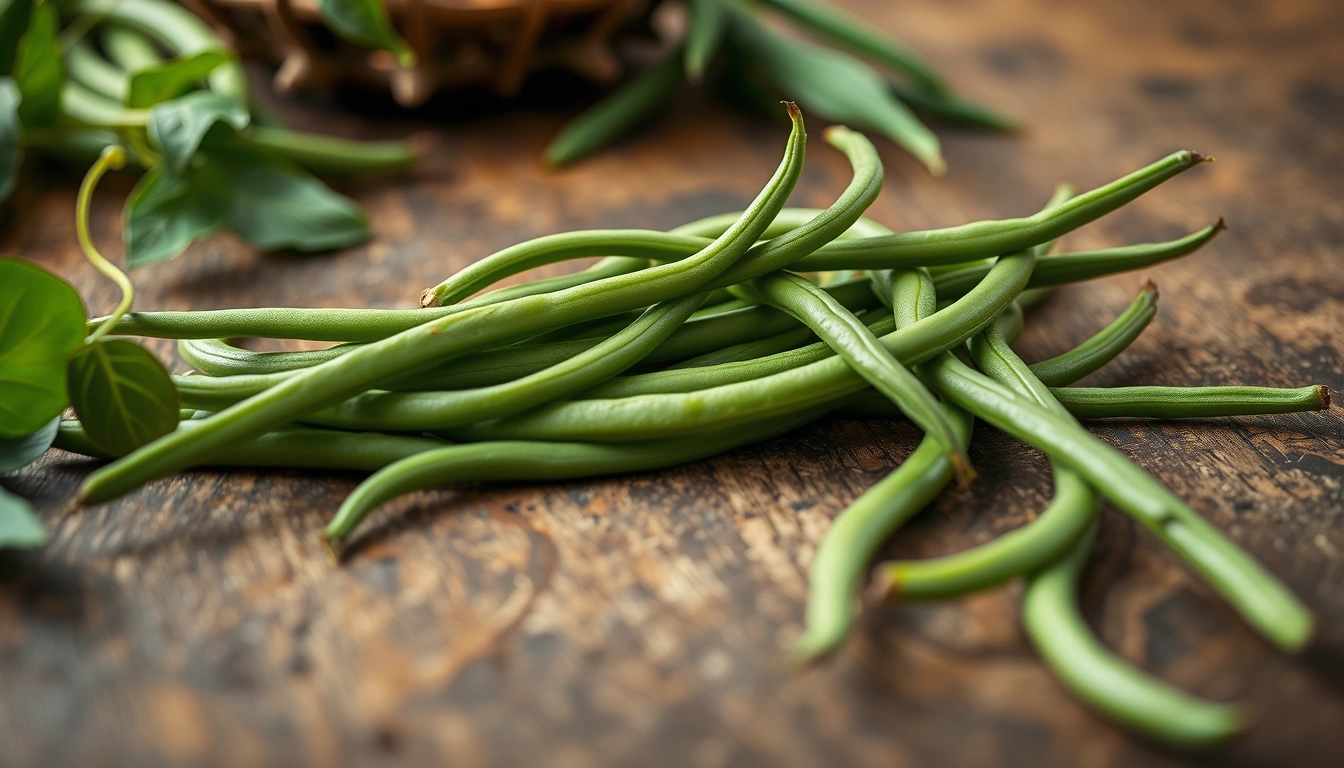
Snake beans, also known as snake ejotes or snake vainitas in different regions of Latin America, are a type of legume similar to traditional green beans, but they are characterized by their elongated, thin, and slightly twisted shape, which resembles the texture of a snake, hence their name.
This ingredient is native to tropical and subtropical zones, being commonly cultivated in Latin America, particularly in countries such as Mexico, Colombia, and Ecuador. Its cultivation dates back to ancient indigenous agricultural traditions, where it was valued for its versatility and nutritional contribution.
In cooking, snake beans are used in multiple preparations: from stews and stir-fries to salads and soups. They have a crunchy texture and a mild, slightly sweet flavor, which makes them ideal for combining with a wide variety of ingredients and spices.
Regarding their nutritional properties, snake beans are an excellent source of dietary fiber, B vitamins, vitamin C, and minerals such as iron and calcium. Additionally, they are low in calories and rich in antioxidants, which contributes to a healthy and balanced diet.
Depending on the country, besides snake beans, they may be known as snake ejotes, snake vainitas, or simply long beans. In general, they are a highly valued ingredient for fresh and nutritious recipes throughout Latin American cuisine.