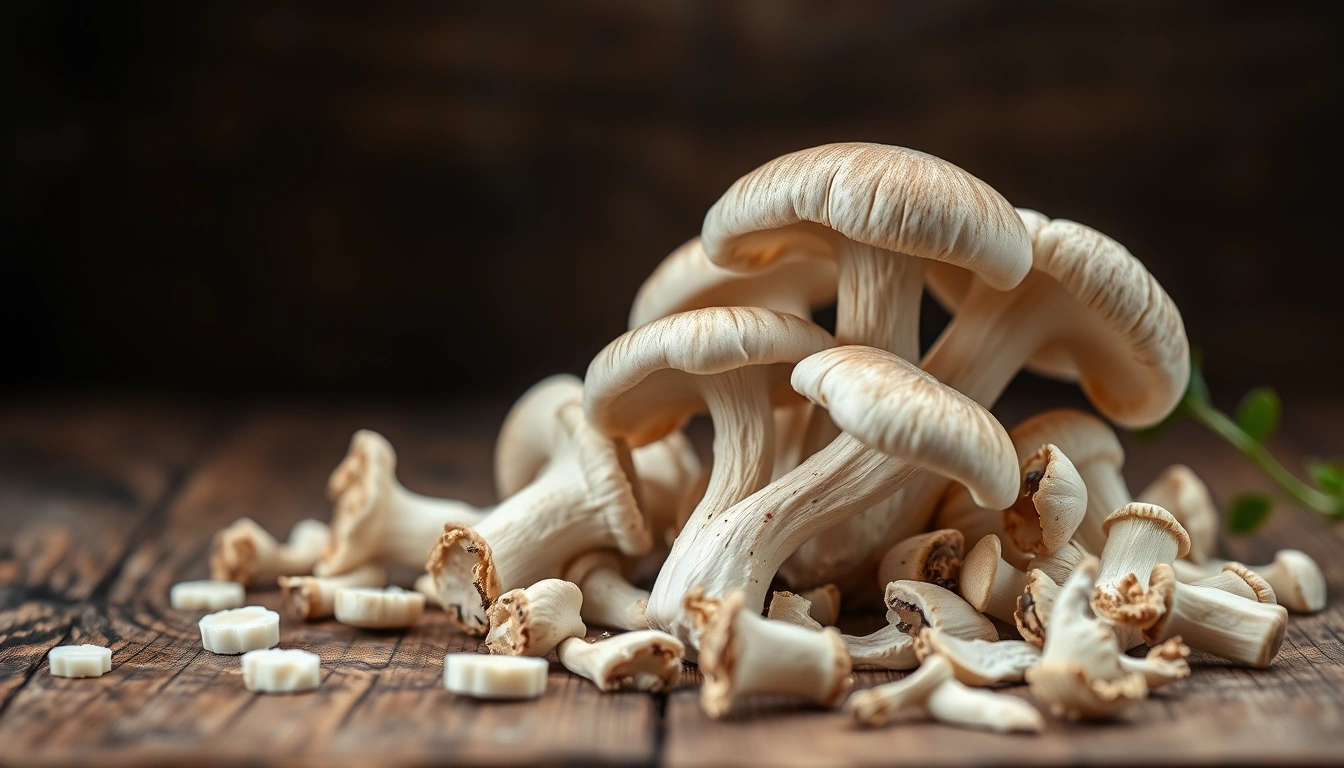
Stems and pieces of mushroom
22 kcal per 100 g
Category: Vegetables
Nutritional information (per 100 g)
| Calories | 22 kcal |
| Protein | 3.1g |
| Carbohydrates | 3.3g |
| Total fats | 0.3g |
| Fiber | 2.1g |
Vitamins and minerals
Description
Stems and pieces of mushroom refer to the edible parts of the fungus scientifically known as Agaricus bisporus. Mushrooms are white or light brown fungi with a mild flavor and a meaty texture that makes them very versatile in the kitchen. The stems, although sometimes discarded, are perfectly edible and provide a delicate flavor and a slightly firmer texture than the cap.
The mushroom is native to Europe and North America, but its cultivation has spread globally due to its popularity and ease of cultivation. In many regions of Latin America, the mushroom is consumed fresh or cooked and is a common ingredient in stews, sauces, salads, and stir-fries.
Properties: Mushroom stems and pieces are low in calories and fat, and rich in water, dietary fiber, B-complex vitamins (such as riboflavin, niacin, and pantothenic acid), and essential minerals like potassium, phosphorus, and selenium. Furthermore, they contain antioxidants that support the immune system and contribute to a balanced diet.
Synonyms in Latin America: Depending on the country, the mushroom may simply be called champiñón, hongos, or setas. However, "setas" is more commonly used for wild varieties and other different species. In some places, especially in Mexico and Central America, they are also known as hongos de pino (pine mushrooms), although strictly speaking this corresponds to other species; the term champiñón is usually the most common for Agaricus.