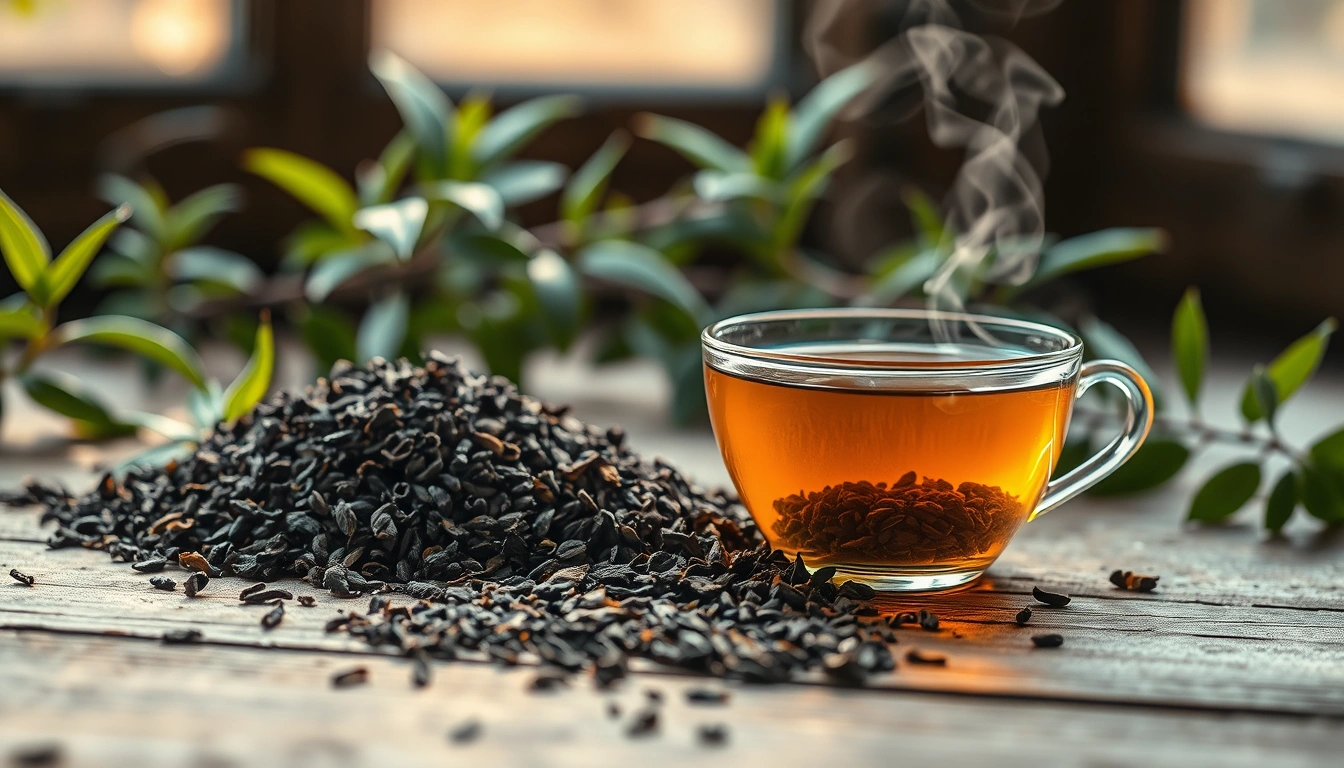
Tea
1 kcal per 100 g
Category: Beverages
Nutritional information (per 100 g)
| Calories | 1 kcal |
| Protein | 0g |
| Carbohydrates | 0g |
| Sugars | 0g |
| Total fats | 0g |
| Fiber | 0g |
| Sodium | 5mg |
Vitamins and minerals
Description
Tea is an aromatic beverage obtained from the dried and slightly fermented leaves of the Camellia sinensis plant. It is one of the most popular ingredients in global gastronomy and is used both for preparing infusions and in various recipes, from desserts to savory dishes.
The origin of tea dates back to China over 4,000 years ago, and from there it spread throughout Asia and the rest of the world. Traditionally, it is cultivated in regions with subtropical and tropical climates, with countries such as China, India, Sri Lanka, and Japan being the main producers.
Among its main properties, its antioxidant content stands out, especially polyphenols, which help combat cellular aging and improve cardiovascular health. Furthermore, tea contains caffeine in a lower amount than coffee, providing a mild stimulating effect. It also provides minerals like potassium and magnesium, and B vitamins.
In various regions of Latin America, tea is known by different colloquial names that can be useful when looking for it for recipes:
- Hierba (in some Andean countries)
- Infusión (a general term for beverages prepared with plants)
- Agua de té (a way to refer to the prepared beverage)
When incorporating tea into recipes, it is essential to consider its flavor, which can range from soft and floral to intense and smoky, depending on the type used (green, black, oolong, among others). Tea adds depth and unique nuances to desserts, marinades, and beverages.