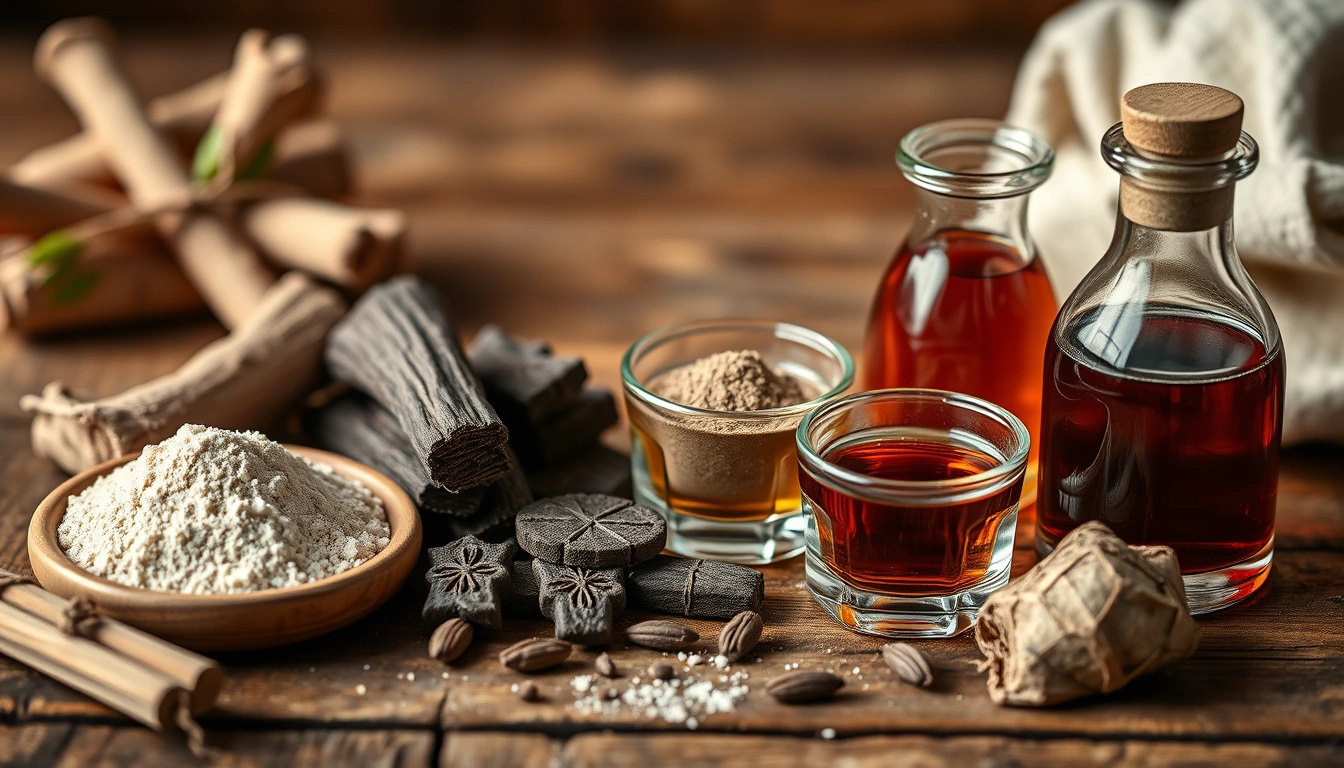
Varied licorice
325 kcal per 100 g
Category: Sweets and Sweeteners
Nutritional information (per 100 g)
| Calories | 325 kcal |
| Protein | 5g |
| Carbohydrates | 75g |
| Sugars | 50g |
| Total fats | 1.5g |
| Fiber | 3.0g |
| Sodium | 20mg |
Vitamins and minerals
Description
Varied licorice is a highly valued ingredient in cooking and baking due to its sweet, slightly anise-like flavor and its ability to provide a unique aromatic touch to various preparations. It comes from the root of the Glycyrrhiza glabra plant, commonly known as licorice, which is used both in its natural form and processed into different formats, from root pieces to extracts and powder.
Origin: Licorice is native to regions of the Mediterranean and Western Asia, where it has been used since ancient times not only as a natural sweetener but also for medicinal purposes. Its cultivation has spread to several countries, including Spain, Greece, Turkey, and certain Latin American nations.
Properties: In addition to its characteristic flavor, licorice has multiple beneficial properties. It is known for its anti-inflammatory, antioxidant, and digestive effects. In cooking, it helps balance flavors in desserts, beverages, and sauces, and can also be used to prepare infusions or as a flavoring element in baked goods. However, it should be consumed in moderation due to its glycyrrhizin content, which in excess can cause side effects.
Synonyms in Latin American Spanish: Depending on the region, licorice may be referred to in different ways, including liquen dulce, zarzaparrilla, raíz dulce, or simply regaliz. In some countries, the term palo dulce is also used to refer to this root or its derivatives.