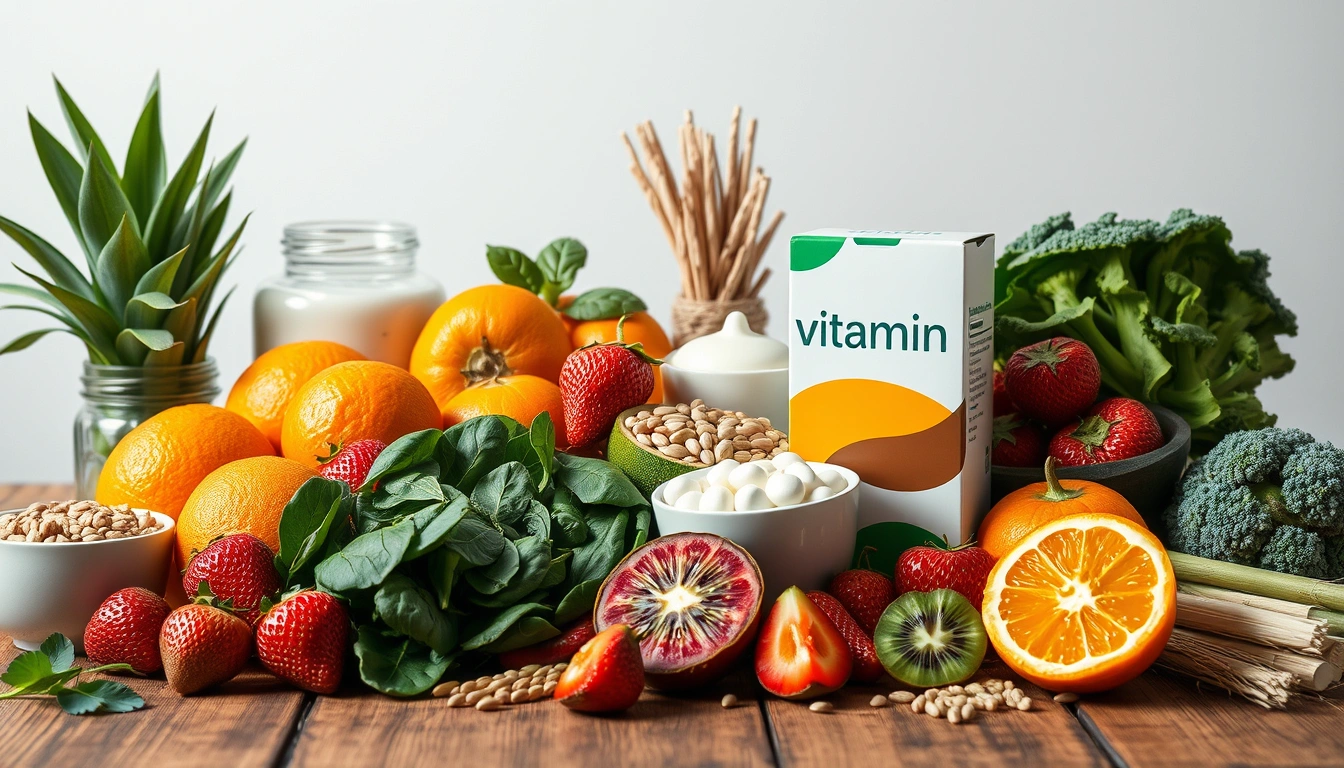
Vitamin
0 kcal per 100 g
Category: Sweets and Sweeteners
Nutritional information (per 100 g)
| Calories | 0 kcal |
| Fiber | 0g |
Vitamins and minerals
Description
Vitamin
Vitamins are organic compounds essential for the proper functioning of the body and the preparation of numerous healthy recipes. Although they are not traditional ingredients like foods, their presence is fundamental in cooking when using enriched foods or supplements to improve the nutritional value of dishes.
The term vitamin comes from the Latin "vita", meaning life, and was coined in the early 20th century following the discovery of these vital micronutrients for health. Vitamins are naturally found in fruits, vegetables, grains, dairy, meats, and fish, which are very common ingredients in the preparation of various recipes.
Vitamins are divided into two main groups according to their solubility:
- Fat-soluble vitamins (A, D, E, and K): they are stored in fatty tissues and the liver.
- Water-soluble vitamins (B and C): they are not stored, so they must be consumed regularly.
From a culinary perspective, it is important to know which vitamins ingredients provide in order to create nutritious and balanced recipes, as well as to avoid nutrient loss during preparation, for example, through overly prolonged cooking.
In different Hispanic American countries, the word vitamin is commonly used universally without many synonyms, but in some contexts it can also be found as:
- vitamin supplement or simply supplement when referring to capsules or pills.
- nutrient, a more general term that includes vitamins.
In summary, vitamins are essential micronutrients that are part of many ingredients and recipes in the kitchen, providing health and vitality to our dishes.