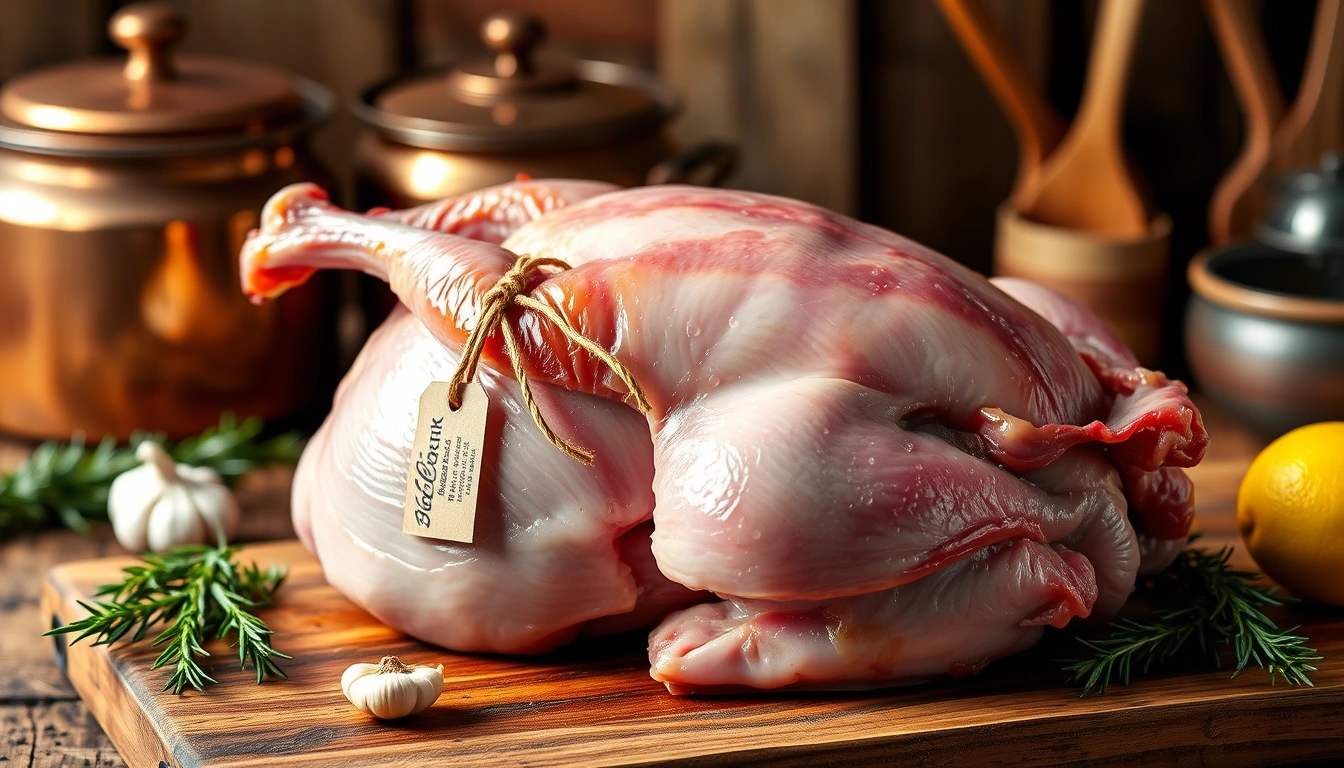
Whole duck
337 kcal per 100 g
Category: Meat
Nutritional information (per 100 g)
| Calories | 337 kcal |
| Protein | 19g |
| Carbohydrates | 0g |
| Total fats | 28g |
| Fiber | 0g |
| Sodium | 58mg |
Vitamins and minerals
Description
Whole duck is a domesticated waterfowl widely used in traditional and gourmet cuisine for its flavorful and versatile meat. It refers to the entire animal, including meat, skin, and bones, making it ideal for preparing a wide variety of recipes, from roasts and stews to steamed or grilled preparations.
The origin of the domesticated duck dates back to regions of Asia and Europe, where it has been raised for centuries for its meat, eggs, and feathers. In gastronomy, whole duck is highly valued in classic dishes such as Peking Duck in China or Confit de Canard in France.
From a nutritional standpoint, duck meat is notable for its high protein content and moderate levels of healthy fats, primarily unsaturated. It is also a good source of iron, zinc, and B vitamins, contributing to a balanced diet. The skin of the duck, which is often consumed in many recipes, adds flavor and juiciness but also has a high caloric content, so its consumption is recommended in moderation.
In different Spanish-speaking countries in Latin America, a whole duck may also be known as pato chico, pato criollo, or simply pato. In some regions, a distinction is made between farm-raised duck (domestic) and wild duck, though most recipes use the domesticated variety.
For cooking, the whole duck allows for all its parts to be utilized, making it a very valuable ingredient for broths, stuffings, and main dishes with rich and intense flavors.