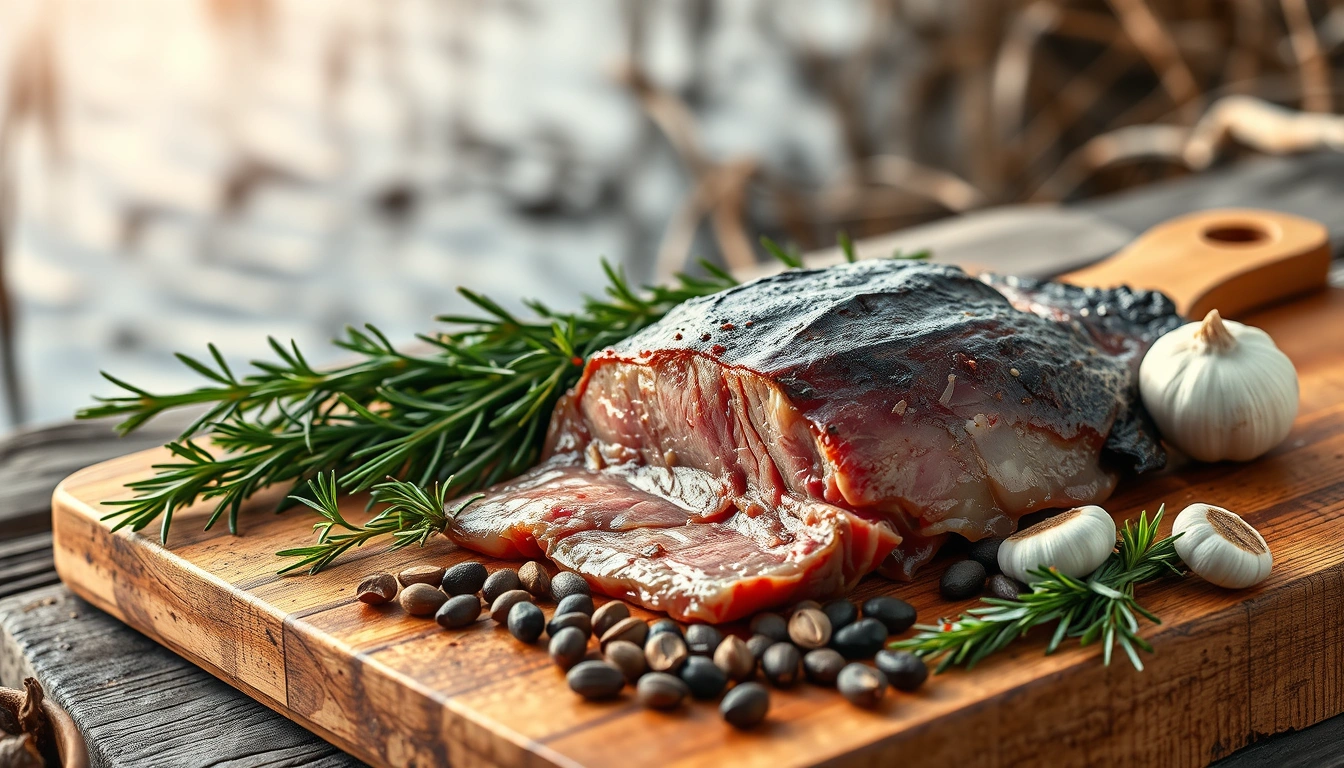
Wild ducks
140 kcal per 100 g
Category: Meat
Nutritional information (per 100 g)
| Calories | 140 kcal |
| Protein | 20g |
| Carbohydrates | 0g |
| Total fats | 5g |
| Fiber | 0.0g |
| Cholesterol | 85mg |
Vitamins and minerals
Description
Wild ducks are aquatic birds that inhabit various natural ecosystems such as lakes, rivers, wetlands, and coasts in different regions of the world. In the culinary context, their meat is highly valued for its intense flavor and firm texture, making it a traditional ingredient in many game and gourmet recipes.
The origin of wild ducks varies by species and region, but they are commonly found in temperate and cold areas of America, Europe, and Asia. In Latin America, these birds are appreciated for their characteristic flavor, which comes from their natural diet and life in the wild, distinguishing them from farm-raised ducks.
From a nutritional standpoint, wild duck meat is rich in protein, low in saturated fat, and contains omega-3 fatty acids, which are beneficial for cardiovascular health. It also provides B vitamins, iron, and zinc, essential for metabolism and the immune system.
In different Spanish-speaking countries, wild ducks may be known by various names, such as dabbling ducks, especially for some duck species, or simply game ducks. In some regions, they are also called wild duck or mallard.
Their use in recipes often focuses on preparations that highlight their intense flavor, such as stews, roasts, or braises, and it is common to marinate the meat to tenderize it and enhance its aromas. Including wild duck in your dishes can add a distinctive and authentic touch, ideal for those looking to experiment with traditional and natural flavors in cooking.