Buttermilk
64 kcal per 100 g
Category: Dairy
Nutritional information (per 100 g)
| Calories | 64 kcal |
| Protein | 3.3g |
| Carbohydrates | 4.7g |
| Total fats | 3.8g |
| Fiber | 0g |
| Sodium | 50mg |
Vitamins and minerals
Description
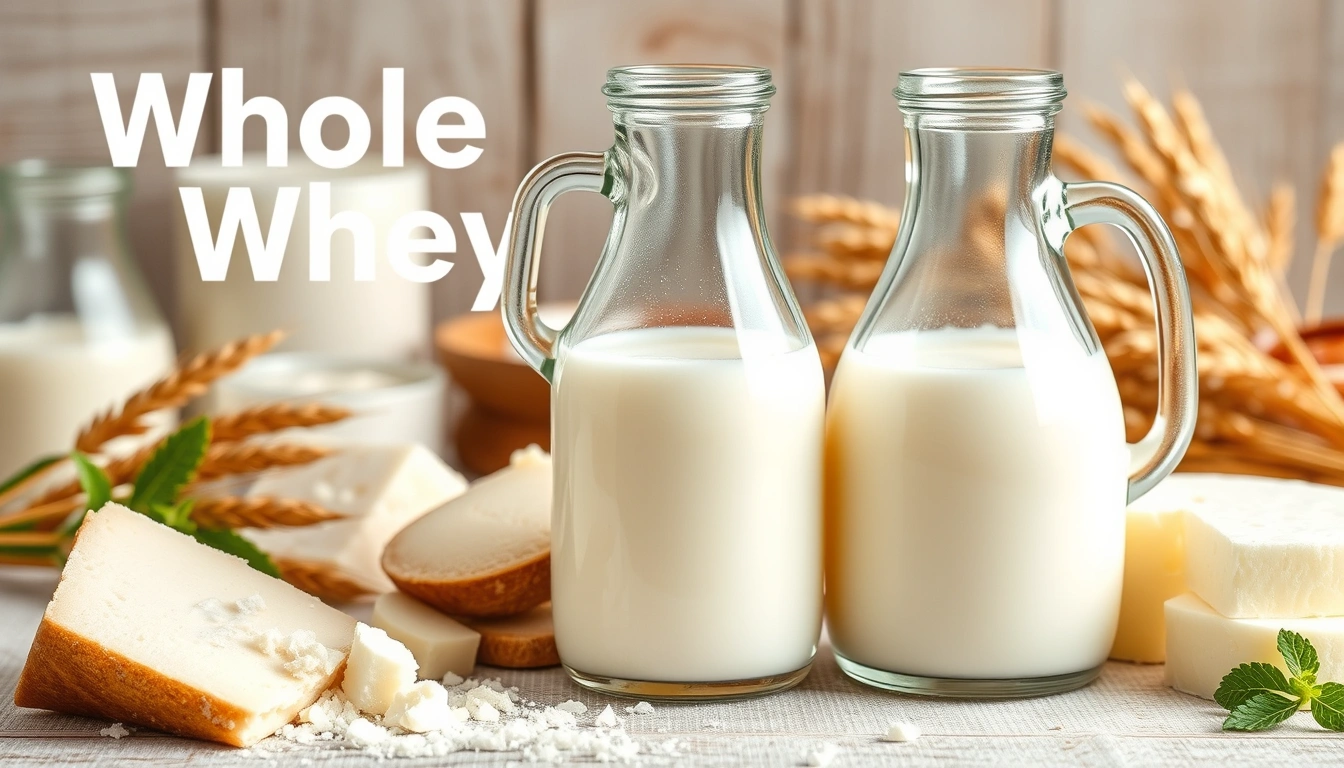
Whole milk whey is a dairy liquid resulting from cheese production, obtained after the coagulation and separation of the curd. This ingredient retains a portion of the milk with all its nutrients, including proteins, lactose, vitamins, and minerals, making it a very nutritious and versatile product for cooking.
Its origin dates back to traditional cheese-making processes in various cultures, where the leftover whey was used in different preparations, from soups and beverages to fermented products. Today, whole milk whey is used in both homemade and industrial recipes, especially in pastry, baking, and smoothie preparation, providing a creamy texture and a slightly acidic, dairy flavor.
Regarding its properties, it is a good source of high-quality proteins such as lactalbumin and lactoglobulin, contains calcium and B-complex vitamins, and has a moderate fat content because it is whole. Furthermore, its lower fat content compared to whole milk makes it ideal for enriching recipes without resorting to heavier creams.
In different regions of Latin America, whole milk whey may be known by various synonyms such as dairy whey, sweet whey, or simply whey. However, it is important to distinguish it from sour whey or fermented whey, which is a similar product but with fermentative characteristics.
In summary, whole milk whey is a traditional and nutritious ingredient that can add creaminess, flavor, and protein value to your cooking recipes.