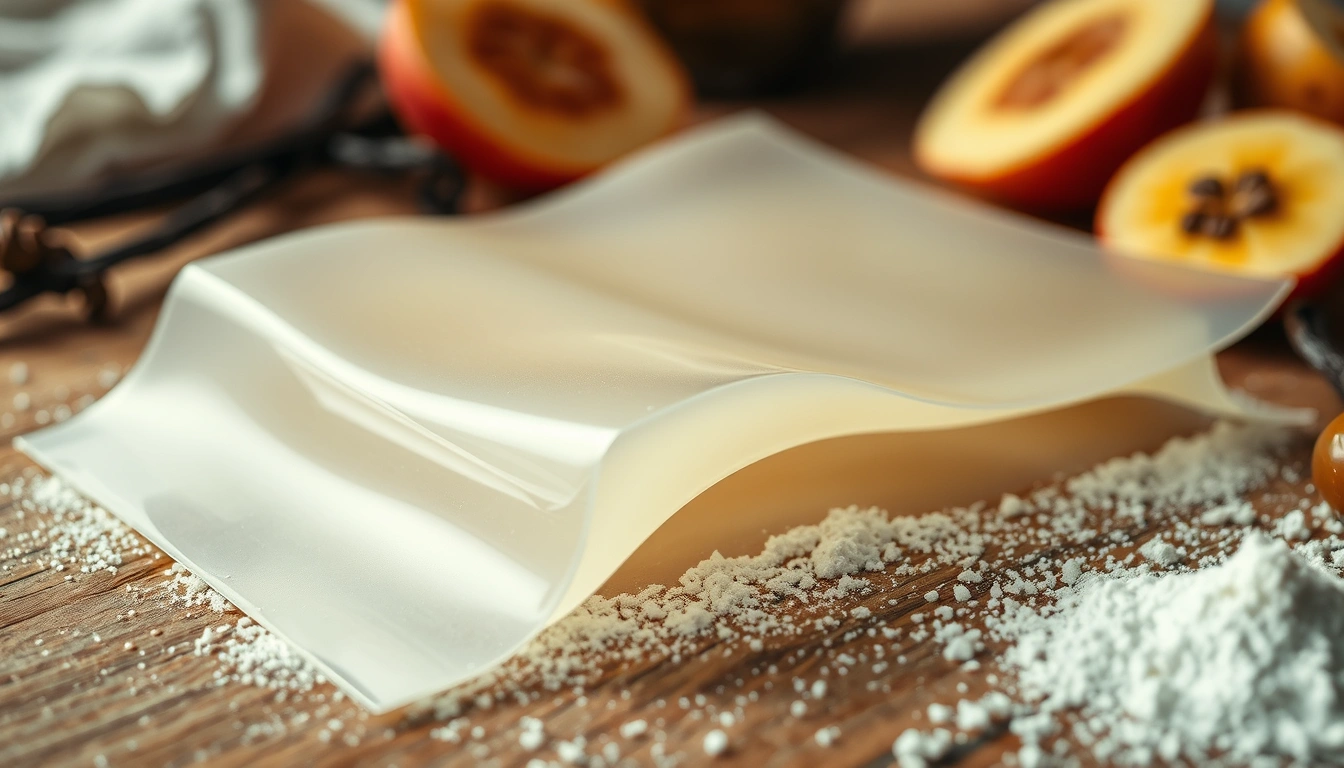
Gelatin
62 kcal per 100 g
Category: Dairy
Nutritional information (per 100 g)
| Calories | 62 kcal |
| Protein | 9g |
| Carbohydrates | 0g |
| Total fats | 0g |
| Fiber | 0g |
| Sodium | 50mg |
Vitamins and minerals
Description
Gelatin is a protein-based food ingredient, primarily derived from the collagen found in the bones, skin, and cartilage of animals such as pigs and cows. It is commonly used in baking and in the preparation of desserts, mousses, fruit gelatins, and aspics due to its ability to form solid yet flexible gels when mixed with liquids and cooled. Its soft and translucent texture makes it ideal for providing body and consistency without significantly altering the flavor of the dish.
The use of gelatin has its roots in 15th-century European culinary practices, although its consumption has spread globally and is especially popular in Latin American and Spanish cuisine.
From a nutritional standpoint, gelatin is low in calories, contains no fats or carbohydrates, and is a source of amino acids, particularly glycine and proline, which may contribute to the health of the skin, joints, and bones. However, it lacks some essential amino acids, so it is not considered a complete protein.
In different Spanish-speaking countries, gelatin is also known as "gelatina" in most regions, although in some Central American and Caribbean countries the term "jalea" is used to refer to desserts made with gelatin. It is important not to confuse it with "gelé" or "gelé de frutas," which generally designate specific preparations made with gelatin and fruits.