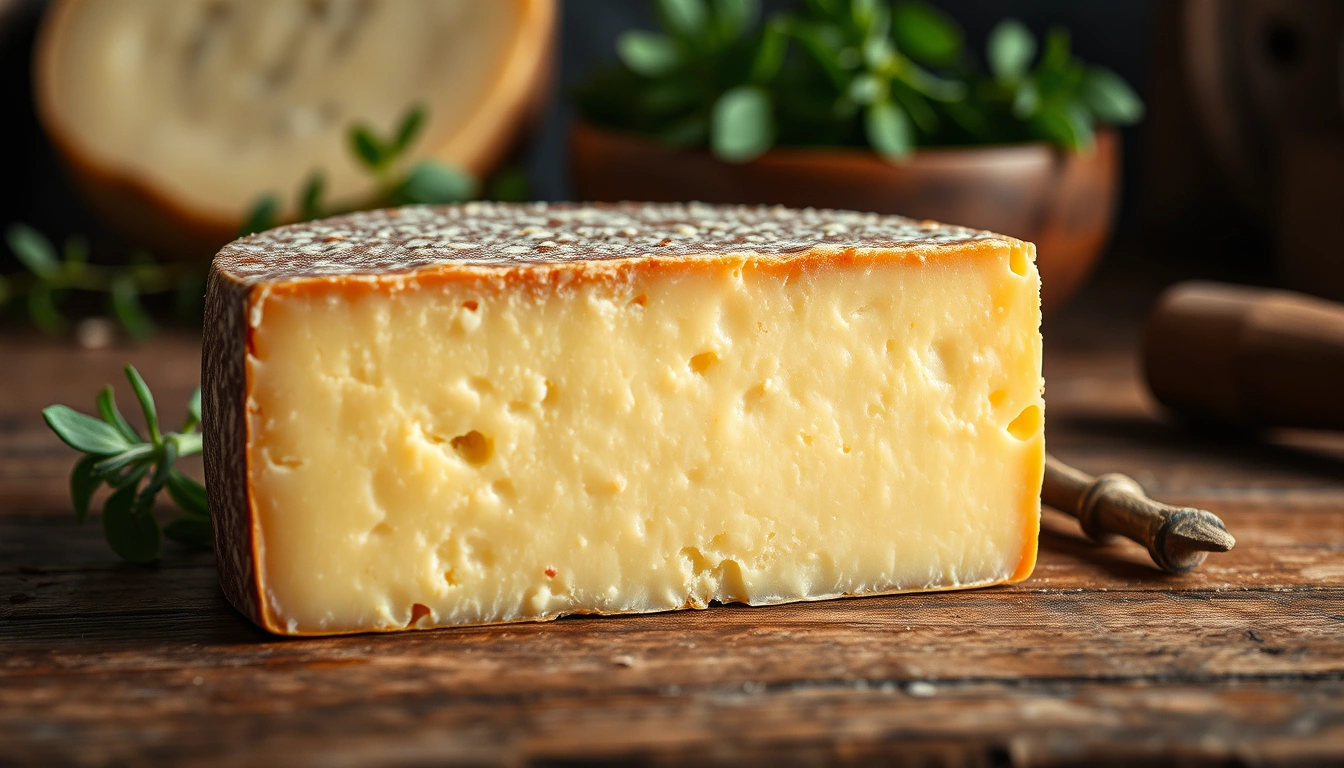
Grated parmesan cheese
393 kcal per 100 g
Category: Dairy
Nutritional information (per 100 g)
| Calories | 393 kcal |
| Protein | 33g |
| Carbohydrates | 0g |
| Sugars | 0g |
| Total fats | 29g |
| Saturated fats | 19g |
| Fiber | 0g |
| Sodium | 980mg |
Vitamins and minerals
Description
Grana Padano is a hard, granular cheese of Italian origin, known for its mild, slightly sweet and salty flavor, with a touch of umami that makes it ideal for use in a wide variety of recipes. This cheese is made from raw or partially pasteurized cow's milk and is aged for a minimum of 9 months, which gives it a firm texture and a characteristic aroma.
Originating from the Po Valley region in northern Italy, especially in Lombardy, Emilia-Romagna, Piedmont, and Veneto, Grana Padano is one of the oldest and most appreciated Italian cheeses. Its production method is regulated by a strict Protected Designation of Origin (PDO), which guarantees the quality and authenticity of the product.
In the culinary context, Grana Padano is very versatile: it is used grated to enhance sauces, pastas, risottos, or salads, and can also be enjoyed on cheese boards or as an accompaniment to wines. Its texture allows it to melt easily in hot preparations, adding depth and richness to the dish.
Regarding its nutritional properties, this cheese is a good source of high-quality protein, calcium, and B vitamins, although it also contains a moderate amount of saturated fat and sodium, so it is recommended to consume it in moderation.
Synonyms or similar names in Latin American Spanish may vary, although it is generally known simply as Grana Padano cheese. There are no direct translations or exact equivalents, but in some regions it might be identified as a hard Italian cheese similar to Parmesan, although technically they are different cheeses.