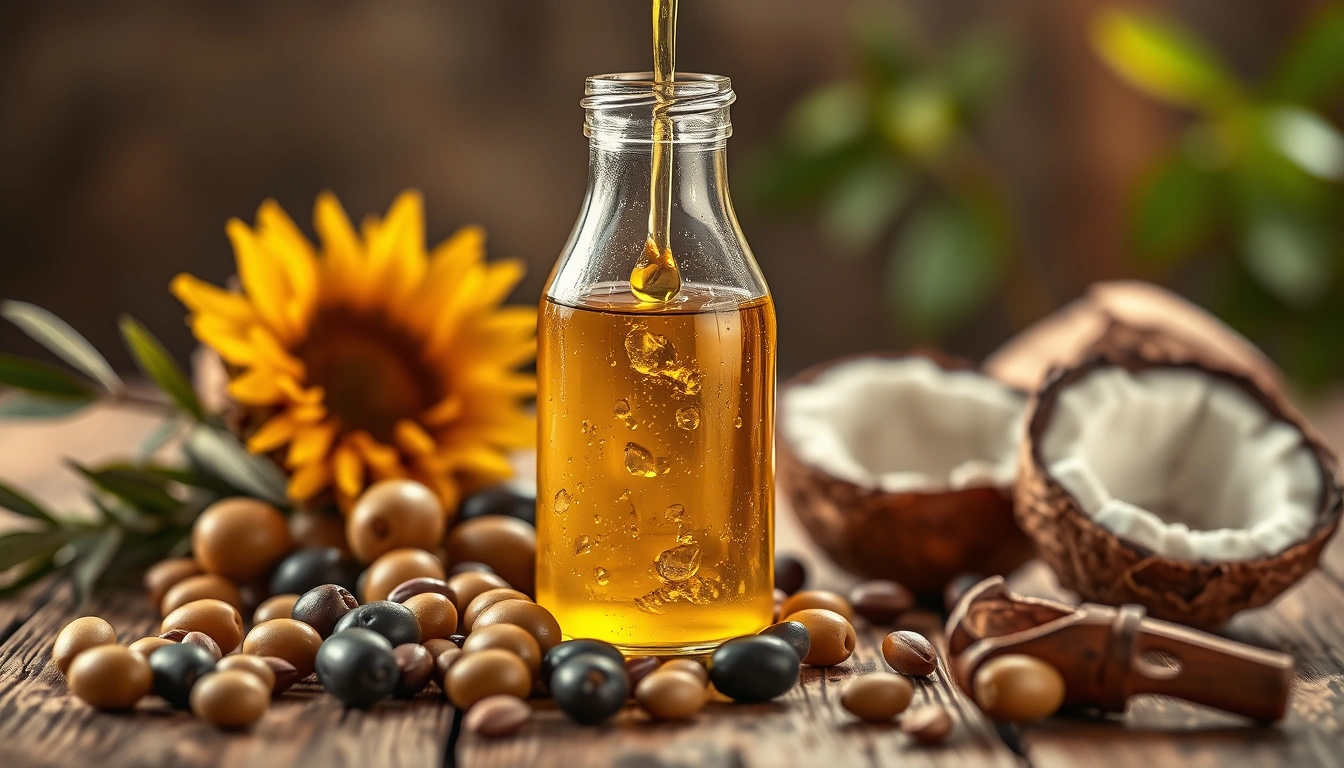
Oil
884 kcal per 100 g
Category: Oils and Fats
Nutritional information (per 100 g)
| Calories | 884 kcal |
| Protein | 0g |
| Carbohydrates | 0g |
| Sugars | 0g |
| Total fats | 100g |
| Saturated fats | 14g |
| Fiber | 0g |
| Cholesterol | 0mg |
Vitamins and minerals
Description
Oil is a fundamental ingredient in cooking, known for its versatility and flavor. It is a liquid fat substance extracted mainly from seeds, fruits, or plants, with vegetable oil being the most common and widely used. Oil is essential for frying, sautéing, dressing salads, and preparing various sauces and marinades.
Origin: Oil has been used since ancient times in different cultures around the world. Some of the most popular varieties come from olives, sunflowers, corn, soybeans, and coconuts, each with its own characteristics depending on the region of cultivation and the extraction method.
Properties: Oil provides healthy fats such as monounsaturated and polyunsaturated fatty acids, which are beneficial for the heart. Furthermore, some varieties contain antioxidants and fat-soluble vitamins (like vitamin E), which contribute to overall health. In cooking, oil not only adds flavor and texture but also helps improve nutrient absorption and provides energy.
SYNONYMS IN LATIN AMERICA: In different Spanish-speaking countries, the term "oil" may vary or be specified according to the type, but it is generally known as:
- Vegetable oil
- Olive oil
- Sunflower oil
- Edible oil
In some regions, it is simply referred to as "liquid fat" or, in specific contexts, it can be specified by its origin (corn oil, canola oil, etc.).