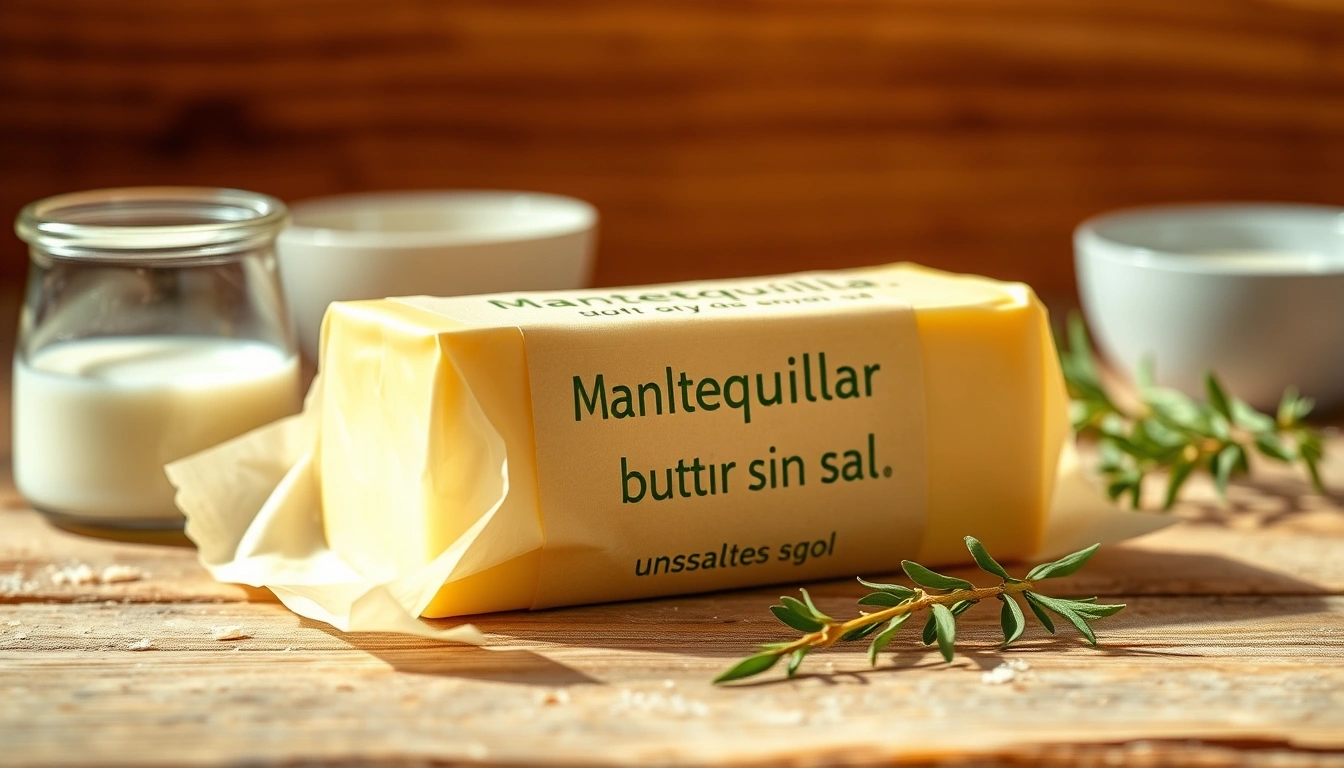
Unsalted butter
717 kcal per 100 g
Category: Oils and Fats
Nutritional information (per 100 g)
| Calories | 717 kcal |
| Protein | 0.9g |
| Carbohydrates | 0.1g |
| Sugars | 0.1g |
| Total fats | 81g |
| Saturated fats | 51g |
| Fiber | 0g |
| Sodium | 11mg |
| Cholesterol | 215mg |
Vitamins and minerals
Description
Unsalted butter is a dairy ingredient made from milk cream, characterized by not containing added salt. It is a staple in many kitchens around the world and is widely used in both baking and savory cooking, as its neutral flavor allows for better control of the salt content in preparations.
The origin of butter dates back thousands of years, being a traditional product in regions where livestock farming is common, such as Europe and America. Unsalted butter is obtained by churning fresh cream to separate the milk solids from the butterfat, and is then packaged without adding salt, making it ideal for recipes that require precise flavor control.
From a nutritional standpoint, unsalted butter provides healthy fats, primarily saturated fatty acids, and some fat-soluble vitamins such as vitamin A, D, E, and K. Although it should be consumed in moderation due to its high caloric content, it is valued for its ability to improve the texture and flavor of various culinary preparations.
In Latin America, besides unsalted butter, this product may also be known as "manteca sin sal" or simply "mantequilla fresca" in certain countries, although the term "manteca" can vary regionally and refer to other types of fats. It is always important to check the label to ensure it contains no added salt, especially when the recipe calls for this specific type.