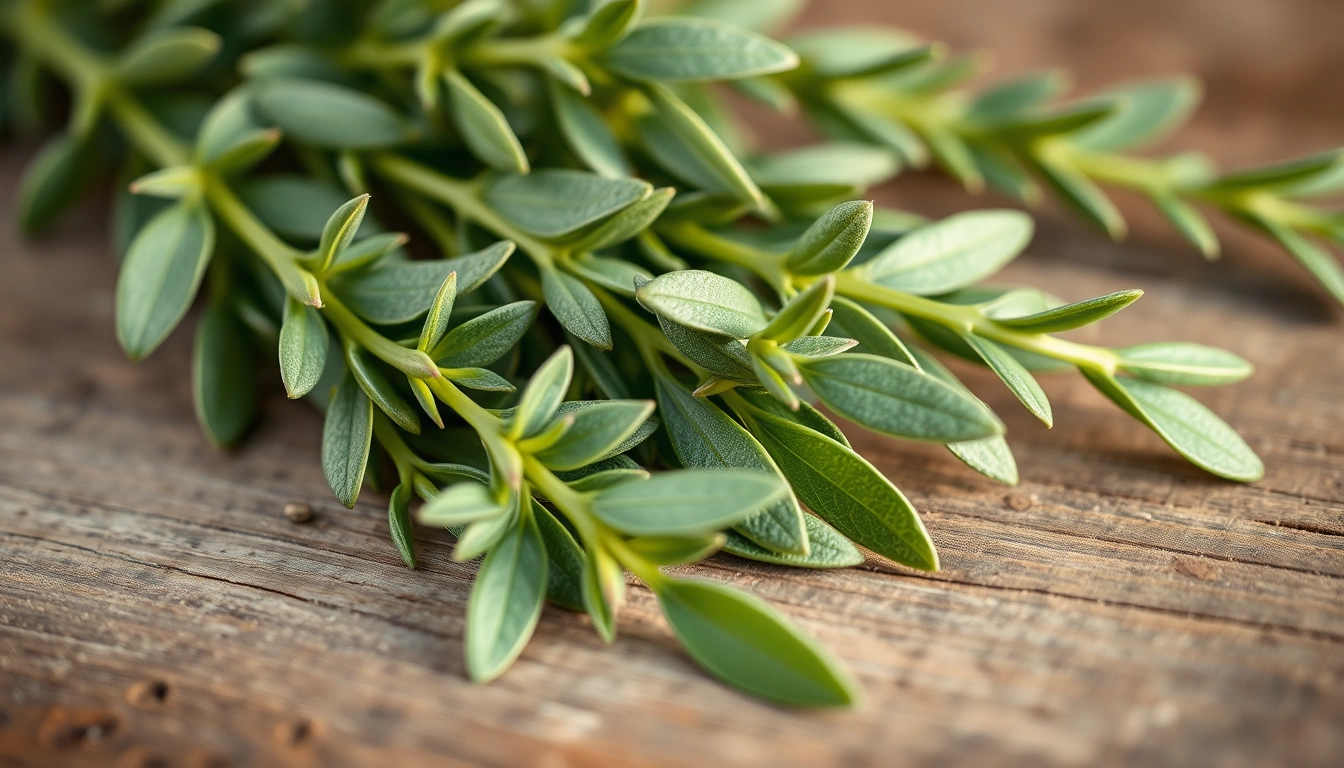
Sage sprigs
32 kcal per 100 g
Category: Spices and Herbs
Nutritional information (per 100 g)
| Calories | 32 kcal |
| Protein | 3.3g |
| Carbohydrates | 7.0g |
| Total fats | 1.5g |
| Fiber | 3.1g |
Vitamins and minerals
Description
Sage sprigs are the small, flexible stems of the sage plant, an aromatic herb highly valued in cooking for its intense, slightly earthy flavor with hints of camphor. They are commonly used to infuse oils, broths, stews, and meat dishes, especially in Mediterranean cuisine.
Sage (known as Sage in English) is native to the Mediterranean region, where it has been cultivated since ancient times for both its culinary and medicinal properties. Today, its cultivation has spread to many parts of the world, adapting well to temperate and sunny climates.
Sage sprigs provide a distinctive aroma and flavor without being too overpowering if used in moderation. Furthermore, sage is known for its antioxidant, anti-inflammatory, and digestive properties, making it a healthy ingredient that can help improve digestion and provide vitamins and minerals such as vitamin K and manganese.
In Latin America, sage may be known by different names, although the term "sprigs" is not always specified. Some synonyms used for the sage plant in general are common sage or simply sage. In some countries, it may also be known as sabio or hierba salvia, although the term "sage sprigs" is the most precise for referring to the small stems with fresh leaves used in cooking.
In summary, sage sprigs are an essential ingredient for those looking to add an aromatic and savory touch to their recipes, especially in stews, stuffings, meat dishes, fish, and some preparations with butter or oils.