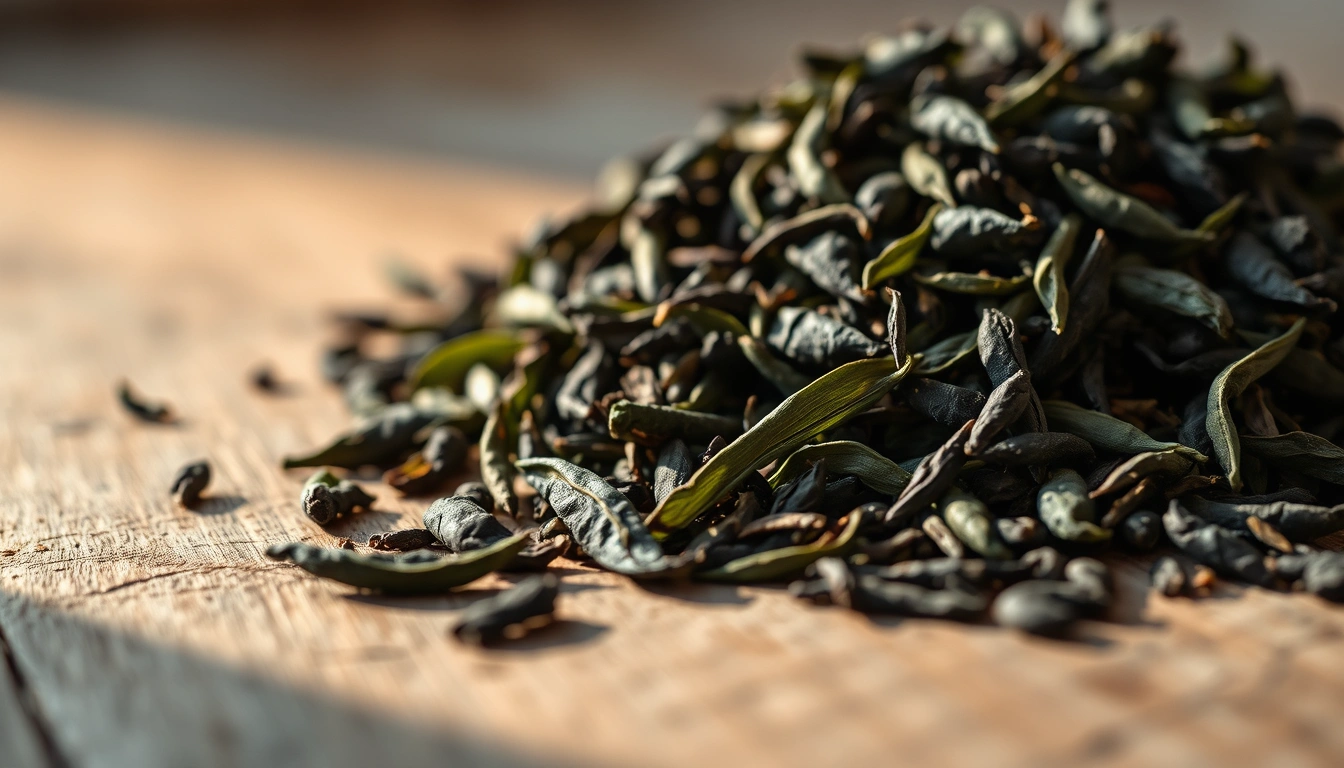
Tea leaves
1 kcal per 100 g
Category: Spices and Herbs
Nutritional information (per 100 g)
| Calories | 1 kcal |
| Protein | 0.2g |
| Carbohydrates | 0g |
| Total fats | 0g |
| Fiber | 0g |
Vitamins and minerals
Description
Tea leaves are the dried leaves of the Camellia sinensis plant, traditionally used to prepare infusions known for their flavor and stimulating properties. This essential ingredient in cuisine and beverage culture originally comes from Asian regions such as China and India, where its cultivation and consumption date back thousands of years.
Tea leaves can be green, black, white, or red (oolong), depending on the oxidation process they undergo. In cooking, besides preparing hot or cold infusions, they are used to marinate meats, flavor desserts, and make sauces, providing a unique and delicate character to recipes.
From a nutritional standpoint, tea leaves contain natural antioxidants, such as catechins and polyphenols, which help combat cellular aging and have anti-inflammatory effects. They also provide moderate amounts of caffeine, offering a mild mental and physical stimulus.
In different regions of Latin America, tea leaves are also known as "hojas de té" or simply "té", although in some places the term yerba para té or hojas para infusión may be used to refer to traditional infusions not necessarily made with Camellia sinensis.