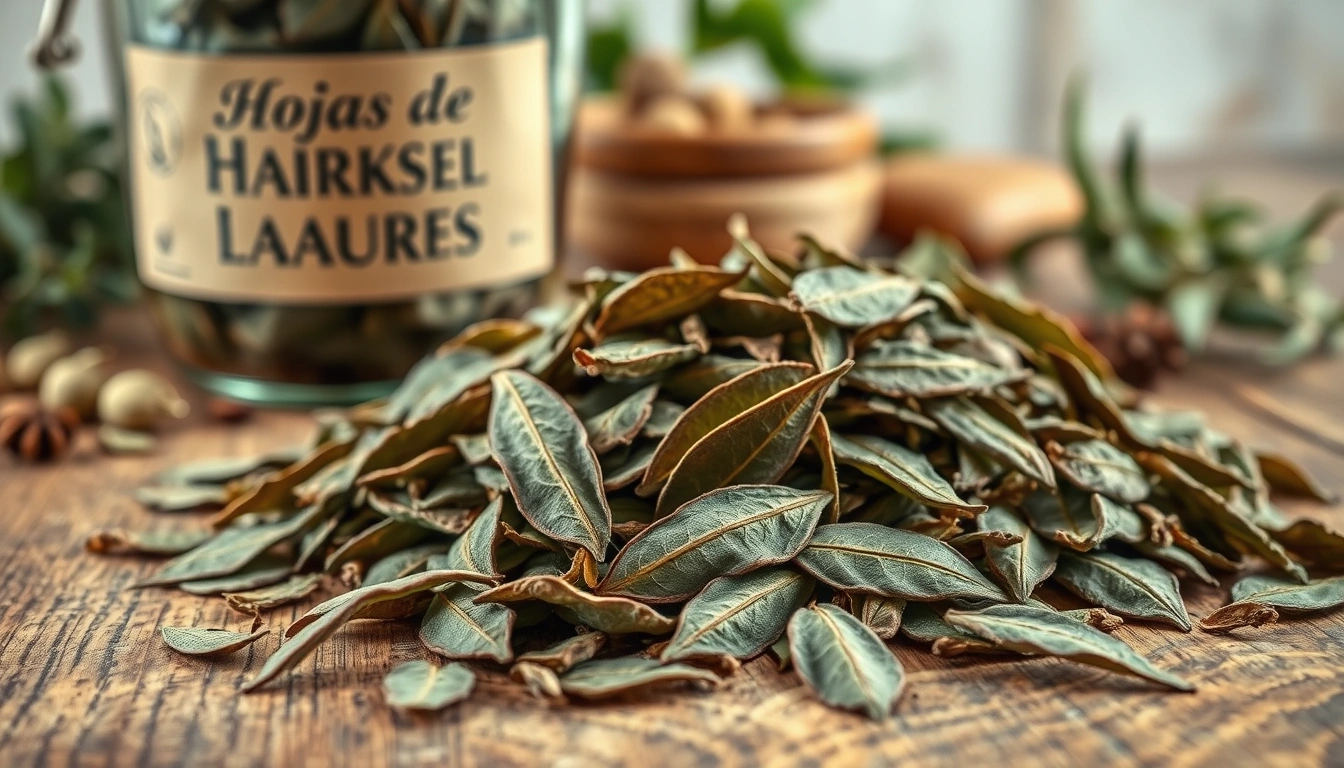
Turkish bay leaves
313 kcal per 100 g
Category: Spices and Herbs
Nutritional information (per 100 g)
| Calories | 313 kcal |
| Protein | 7.6g |
| Carbohydrates | 74.4g |
| Total fats | 7.3g |
| Fiber | 12.7g |
Vitamins and minerals
Description
Turkish bay leaves are the dried leaves of Laurus nobilis, an aromatic plant native to the Mediterranean region, widely used in cooking to enhance the flavor of stews, broths, soups, and braises. These leaves are characterized by their intense aroma, slightly bitter with herbal notes that add depth and complexity to culinary preparations.
Turkish bay is distinguished by its quality and fragrance, being cultivated and harvested in Turkey, one of the leading producing countries. Its use in gastronomy is essential in many traditional recipes of the region and is also highly valued internationally.
Regarding its properties, bay leaves contain antioxidant and anti-inflammatory compounds, in addition to providing a natural aroma that can replace artificial ingredients in cooking. They are also attributed with digestive and carminative properties, which help relieve stomach discomfort after heavy meals.
In the Latin American context, Turkish bay is commonly known as bay leaves or simply bay. In some regions, terms like culinary bay leaves may also be found to distinguish it from the ornamental bay. However, the most common and universal name for this ingredient in recipes is bay leaves.