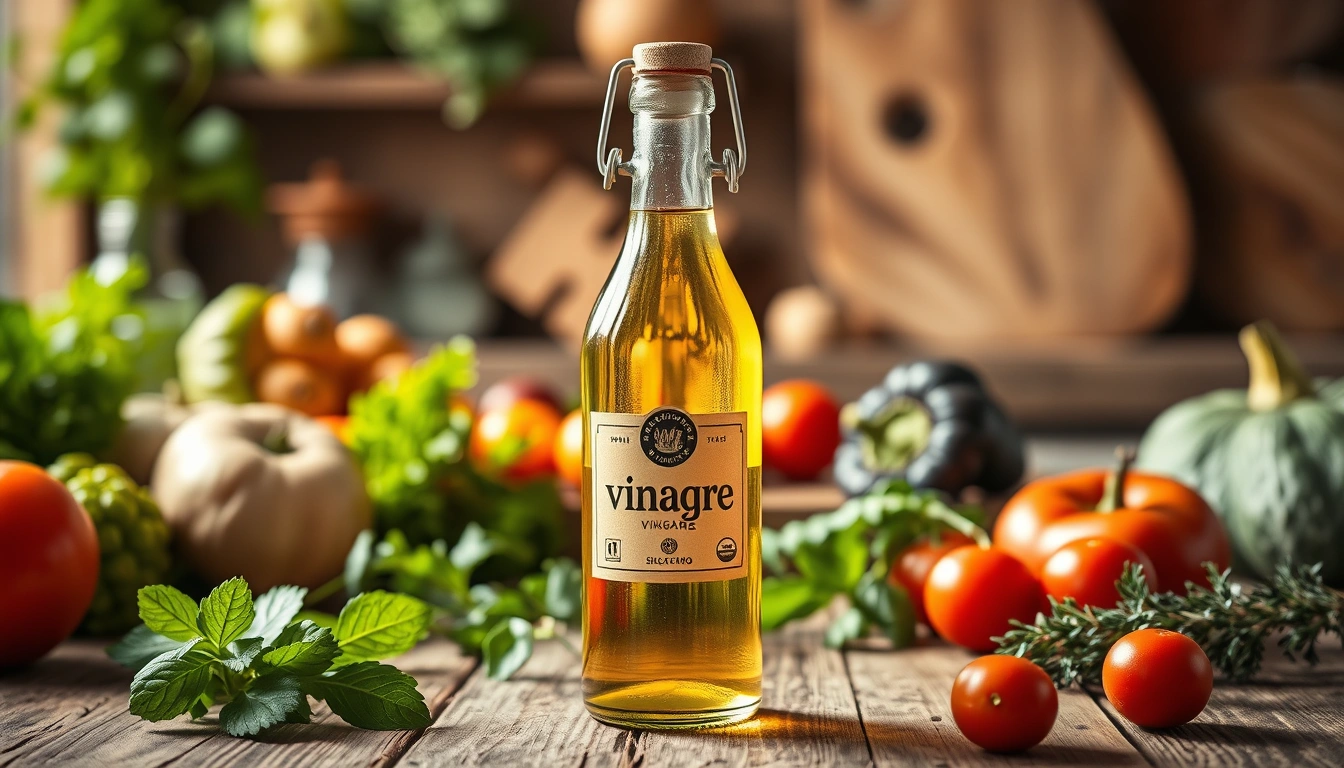
Vinegar
22 kcal per 100 g
Category: Spices and Herbs
Nutritional information (per 100 g)
| Calories | 22 kcal |
| Protein | 0g |
| Carbohydrates | 0.9g |
| Sugars | 0.4g |
| Total fats | 0g |
| Fiber | 0g |
Vitamins and minerals
Description
Vinegar is an acidic liquid obtained primarily through the fermentation of different alcohol-containing substances, such as wine, cider, malt, or even fruits. Its characteristic flavor is acidic and slightly tart, making it an essential ingredient in numerous recipes to provide balance, enhance flavors, and preserve food.
Vinegar has its origins in antiquity, having been used for thousands of years in various cultures such as Egypt, Mesopotamia, and Rome, both for dressing dishes and for preserving food due to its antimicrobial properties.
Properties: In addition to its culinary use, vinegar contains acetic acid, which gives it antimicrobial and antioxidant properties. It is low in calories and helps to enhance flavors, balance sweetness or fats, and can act as a natural preservative.
In different regions of Latin America, vinegar is also known as ácido (in some countries), white vinegar (when it is clear and distilled), or simply wine vinegar depending on its base. However, the term "vinegar" is universally understood in the Spanish-speaking world.