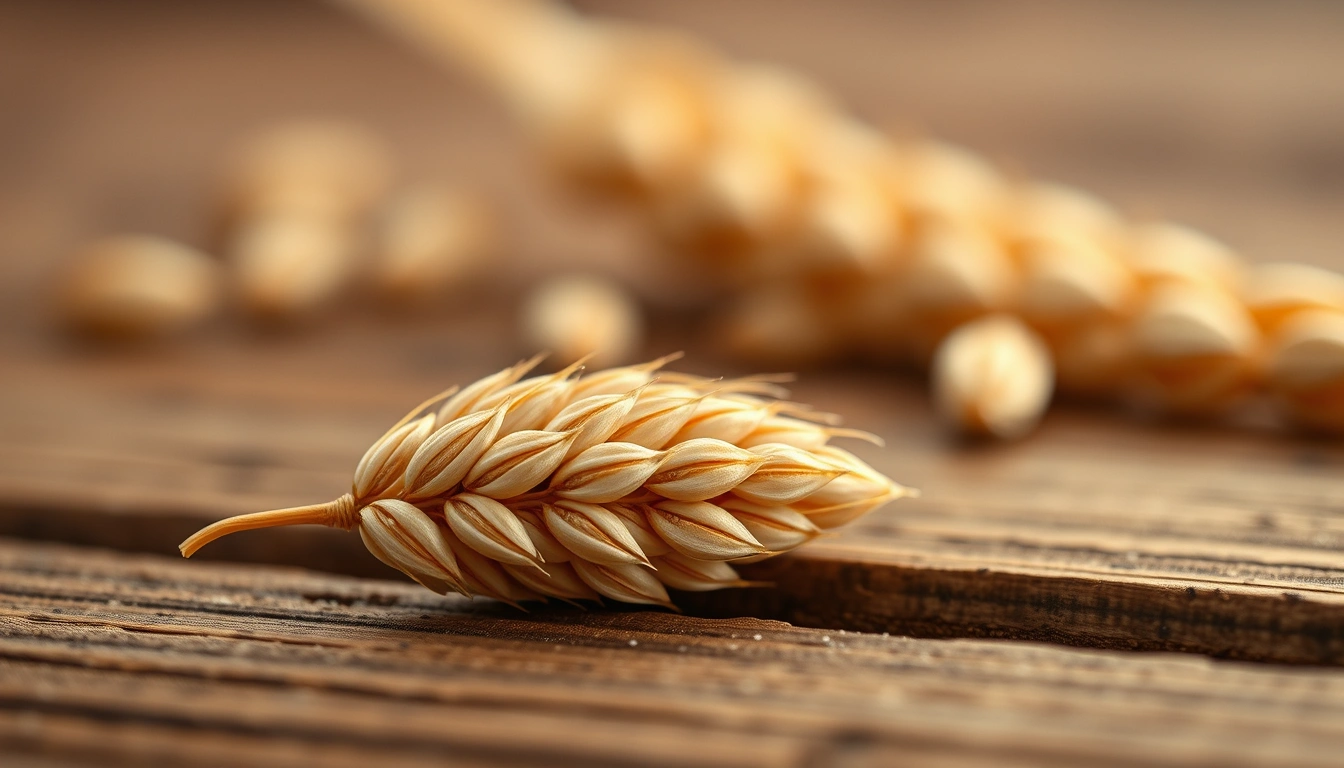
Cereal grain
340 kcal per 100 g
Category: Cereals and Grains
Nutritional information (per 100 g)
| Calories | 340 kcal |
| Protein | 9g |
| Carbohydrates | 72g |
| Total fats | 2.5g |
| Fiber | 10.6g |
Vitamins and minerals
Description
Cereal grain refers to the edible seed of plants belonging to the grass family, widely used in human nutrition. These grains include varieties such as wheat, corn, rice, oats, barley, rye, and sorghum, which are staples in many culinary cultures around the world.
Origin: Cereal grains have been cultivated for thousands of years, being a fundamental part of ancient agriculture in regions such as the Middle East, America, and Asia. For example, wheat and barley originated in the Fertile Crescent, while corn comes from Mesoamerica.
Properties: The cereal grain is an important source of complex carbohydrates, dietary fiber, B vitamins, and essential minerals such as iron and magnesium. Depending on the type of cereal, it can also provide proteins and healthy fats. Furthermore, whole grains contribute to healthy digestion and provide sustained energy, being key ingredients in baking, main dishes, and side dishes.
Synonyms in Spanish from Latin America: In different regions, the term may vary depending on the type of cereal or the country. For example, "maíz" is common in Mexico and Central America for the corn grain, "trigo" is standard in almost all countries for the cereal of the same name, and in some places, the word "granos" is used to refer to cereals in general. It is also common to hear "granillo" in some contexts to refer to small grains or cereal seeds.