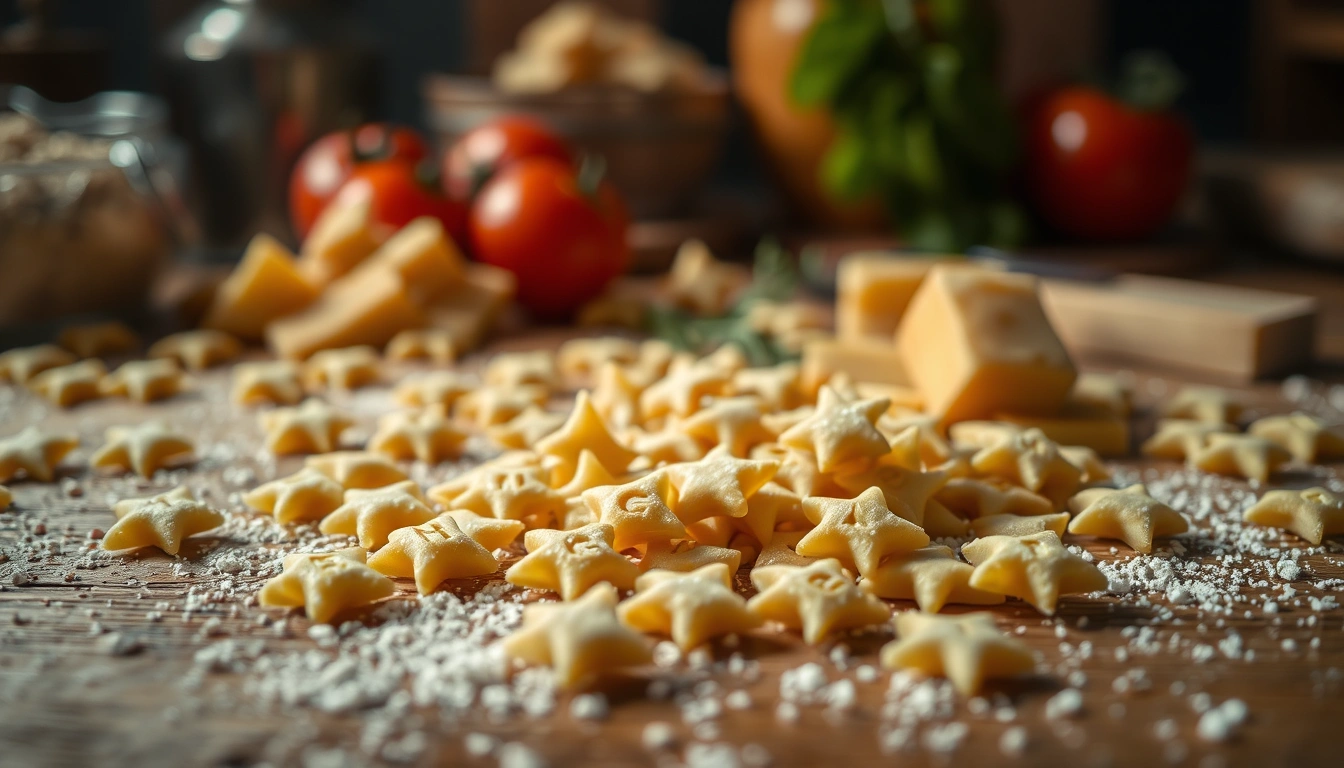
Italian pastina
350 kcal per 100 g
Category: Cereals and Grains
Nutritional information (per 100 g)
| Calories | 350 kcal |
| Protein | 12g |
| Carbohydrates | 72g |
| Total fats | 1.2g |
| Fiber | 3.5g |
Vitamins and minerals
Description
Italian pastina is a type of very small and fine pasta, traditionally used in Italian cuisine to prepare soups, broths, and light dishes, especially for babies and people who require a soft diet. Its name pastina literally means "little pasta" in Italian, and it is characterized by its tiny sizes, which can vary from stars, letters, to various small shapes.
Origin: Pastina has its roots in Italy, where it has been used for centuries as a basic ingredient in home cooking. It is especially popular in the Emilia-Romagna region and in other areas of northern Italy, where soups and broths are a fundamental part of the traditional diet.
Properties: Pastina is a light source of carbohydrates, easy to digest and quick to prepare. Due to its small size, it is ideal for adding texture and smoothness to soups and creams without adding much weight. It is usually made primarily with durum wheat flour, although whole wheat or gluten-free versions exist. It is low in fat and can be combined with vegetables, meats, or dairy for a nutritious and comforting dish.
Synonyms in Latin America: In different Spanish-speaking countries, Italian pastina may be known as estrellitas (for its common star shape), fideos para sopa (when it is a very small noodle), alfabetos (when it is shaped like letters), or simply pastina, adopting the Italian term. Each variety may vary slightly in size and shape, but they all share the characteristic of being mini pastas used in soups and broths.