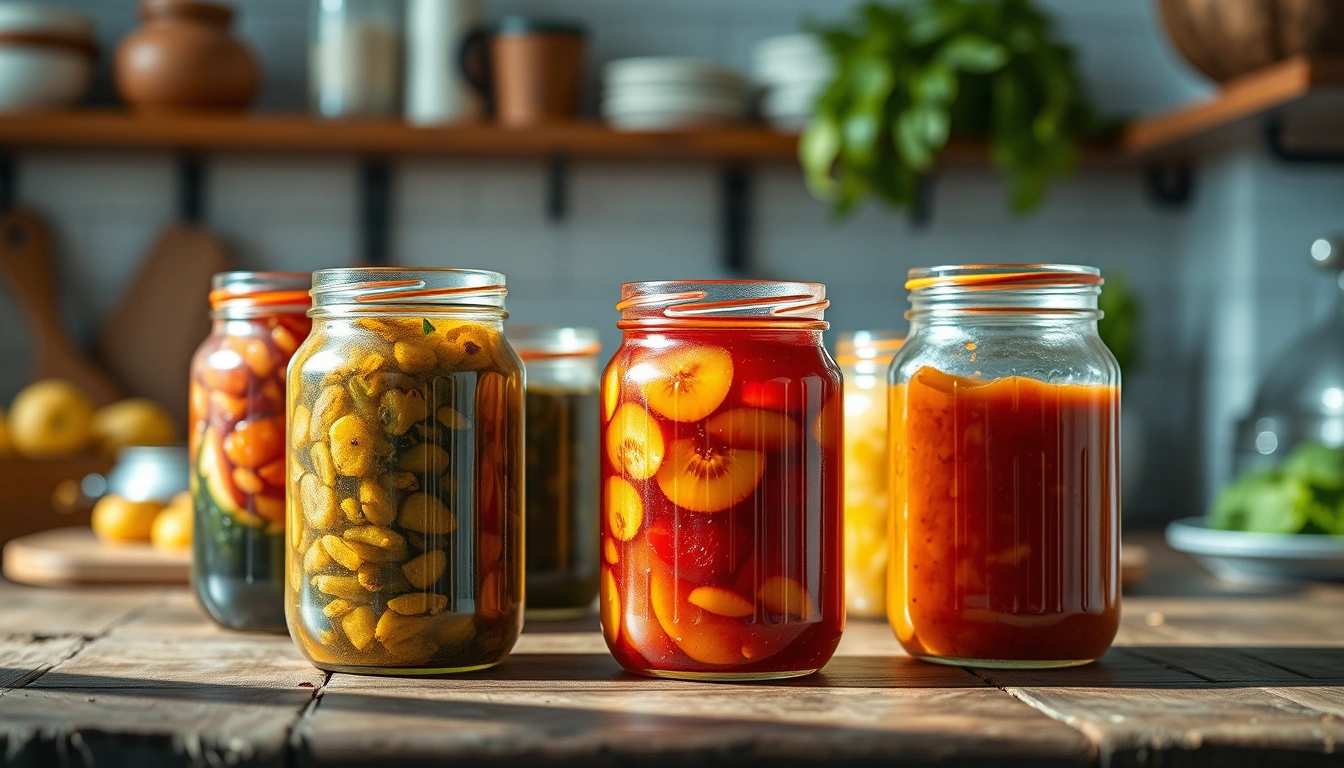
Jars
0 kcal per 100 g
Category: Oils and Fats
Nutritional information (per 100 g)
| Calories | 0 kcal |
| Protein | 0g |
| Carbohydrates | 0g |
| Total fats | 0g |
| Fiber | 0g |
Vitamins and minerals
Description
Jars are containers typically made of glass or plastic used in the kitchen to store ingredients, homemade preparations, sauces, preserves, and jams. Their design includes a narrow or wide mouth and an airtight lid that helps preserve the contents, preventing air from entering and extending their shelf life.
Origin: Jars have a long history dating back to ancient times, when clay or glass containers were used to preserve food. Today, glass jars are the most common in the kitchen due to their durability and ability to maintain freshness without altering the flavor of food.
Properties: Jars are ideal for food storage and preservation because:
- They allow for airtight sealing that maintains freshness and prevents contamination.
- They are reusable and easy to clean.
- They do not react with food, especially if made of glass, so they do not alter the taste or quality.
- They facilitate the organization and presentation of ingredients and preparations in the kitchen.
Synonyms in Latin America: Jars can also be referred to as tarros, vasos (in some countries for small jars), botellas (when they are elongated in shape), or envases, depending on the region and size.