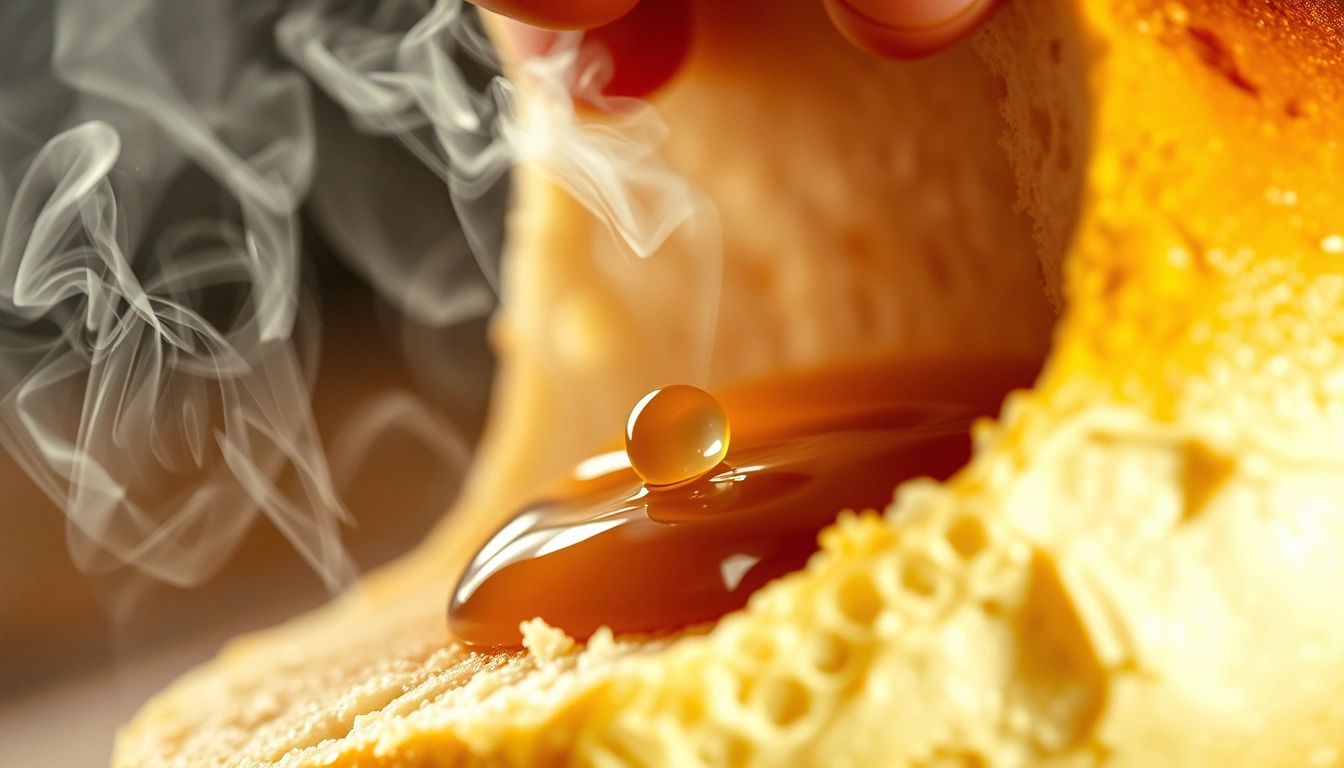
Juices from the bread
40 kcal per 100 g
Category: Cereals and Grains
Nutritional information (per 100 g)
| Calories | 40 kcal |
| Protein | 0.2g |
| Carbohydrates | 9g |
| Sugars | 7g |
| Total fats | 0.1g |
| Fiber | 0.4g |
Vitamins and minerals
Description
Bread juices is a term used in some Spanish-speaking regions to refer to the natural liquids extracted from the inside of bread, especially when it is fresh or freshly baked. These juices are typically a mixture of moisture, starches, and sugars released during the baking process, which give the bread a soft texture and a slightly sweet, characteristic flavor.
The origin of the term varies by region, but in the Latin American culinary context, bread juices is related to those moist components that make a good-quality bread have a moist and spongy crumb. These juices can also be obtained when bread is soaked in liquids, as in the preparation of traditional desserts, soups, or cakes, where the bread absorbs and releases its juices, adding flavor and texture to the dish.
Properties:
- They provide moisture, which improves the texture of breads and culinary preparations.
- They contribute a sweet and natural flavor due to the sugars present.
- They facilitate the integration of ingredients in recipes that use soaked bread, such as puddings or stuffings.
Substitutes or synonyms in Spanish from Latin America: In some regions, these juices may be called humedad del pan (bread moisture), líquido del pan (bread liquid), or simply la molla jugosa (a colloquial term for the moist crumb of bread). There is no exact universal synonym, as the term is more descriptive than a formal name for the ingredient.