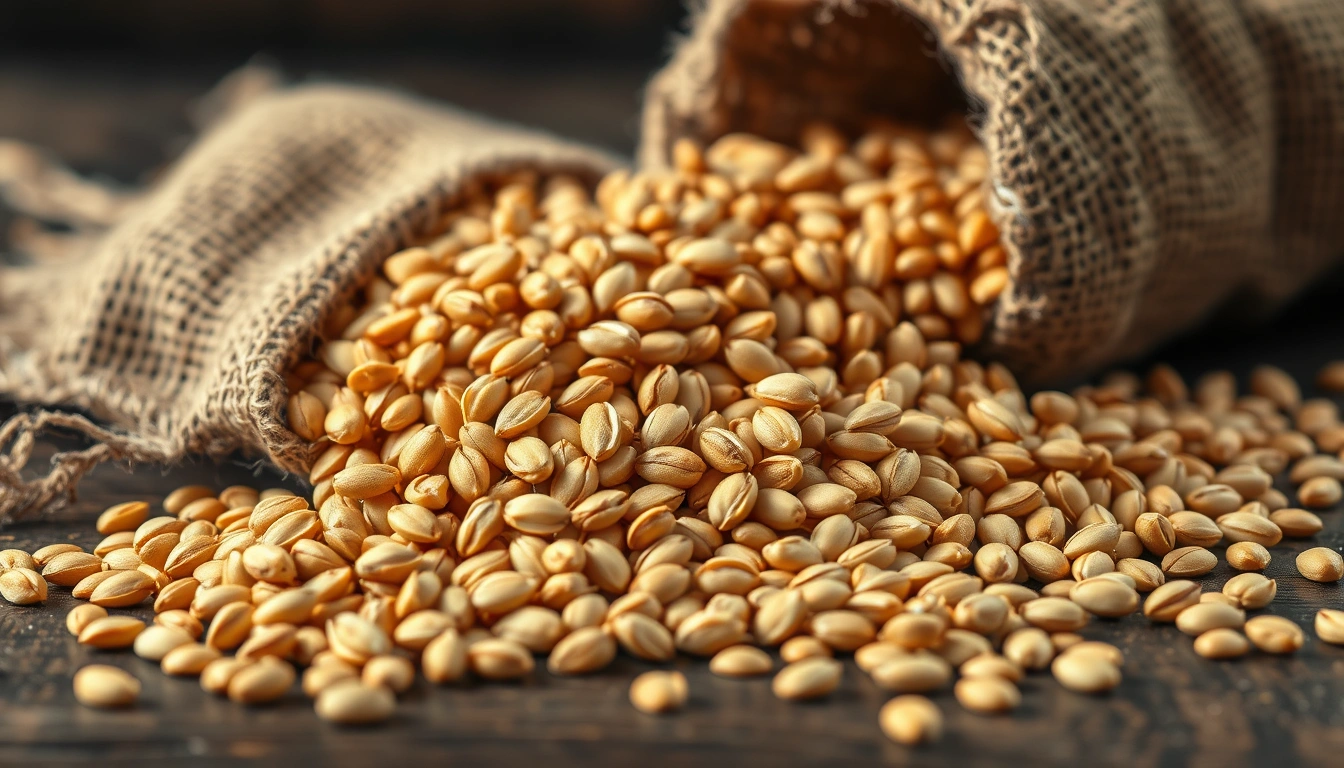
Kamut wheat
337 kcal per 100 g
Category: Cereals and Grains
Nutritional information (per 100 g)
| Calories | 337 kcal |
| Protein | 14g |
| Carbohydrates | 69g |
| Total fats | 2.7g |
| Fiber | 7.0g |
Vitamins and minerals
Description
Kamut is an ancient type of wheat, also known as Khorasan wheat, characterized by its large grains and slightly sweet, nutty flavor. This cereal originated in the Mesopotamia and Egypt region, where it has been cultivated for thousands of years. Currently, it is primarily produced in the United States and Canada under organic practices, due to its resilience and nutritional value.
Kamut is highly valued in cooking for its firm texture and its ability to provide a pleasant texture in breads, pastas, salads, and other dishes. It contains high levels of protein, fiber, B vitamins, and minerals such as selenium, magnesium, and zinc. Furthermore, it is an excellent alternative for those seeking more nutritious whole grains with a different profile than common wheat.
In different Hispanic American countries, kamut may be known simply as kamut wheat or Khorasan wheat. However, its use in gastronomy is still limited, but it is becoming increasingly popular, especially in healthy recipes and artisanal baking.