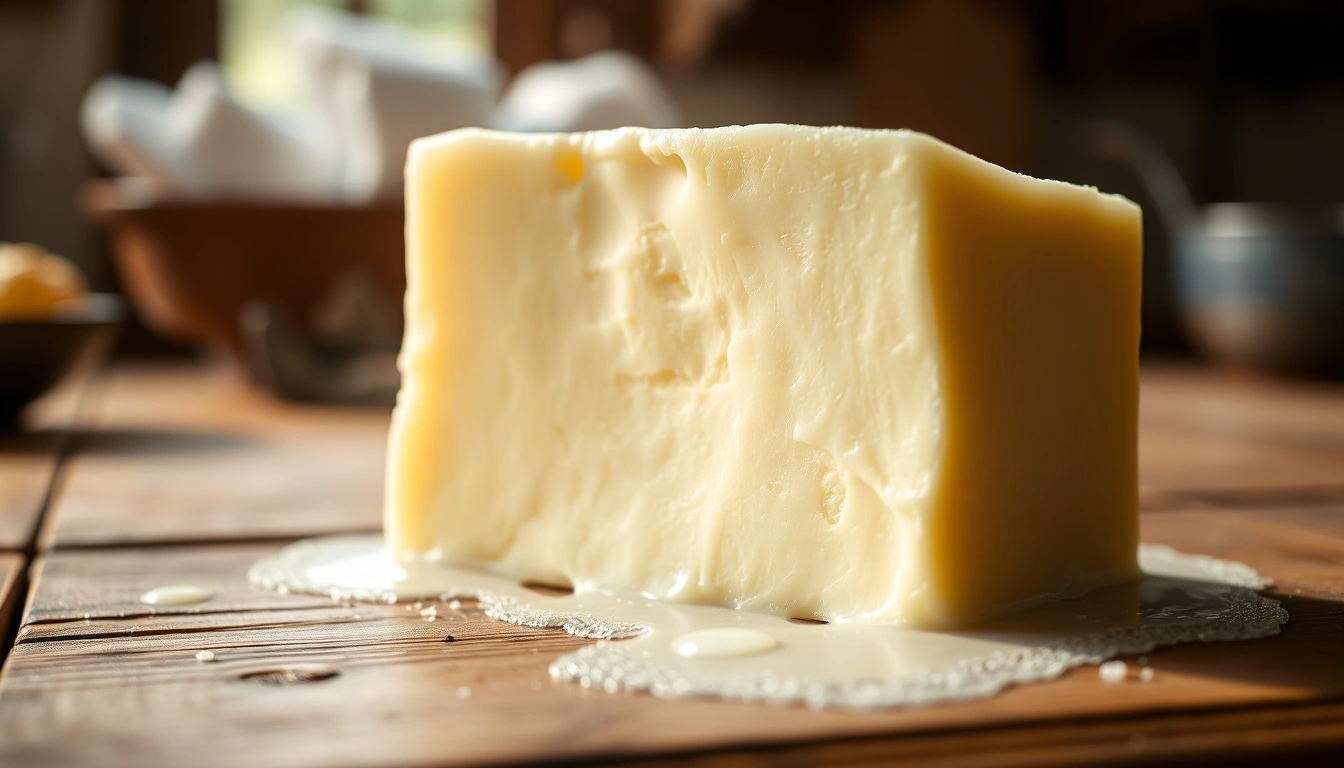
Lard
902 kcal per 100 g
Category: Oils and Fats
Nutritional information (per 100 g)
| Calories | 902 kcal |
| Protein | 0g |
| Carbohydrates | 0g |
| Sugars | 0g |
| Total fats | 100g |
| Saturated fats | 39g |
| Fiber | 0g |
| Sodium | 0mg |
| Cholesterol | 95mg |
Vitamins and minerals
Description
Lard is a fat obtained from the adipose tissue of pigs, widely used in traditional cooking for its characteristic flavor and its ability to add texture and juiciness to a wide variety of dishes. Its color is usually white or slightly yellowish, and it is solid at room temperature, melting when heated for use in frying, stews, and pastries.
The origin of lard dates back to ancient times, being a fundamental ingredient in the cuisines of different regions of the world, especially in Latin America, Spain, and the southern United States. It is obtained by melting and filtering the fatty tissue of the pig, a process that highlights its purity and quality for culinary use.
Properties:
- It is a source of saturated and monounsaturated fats that provide energy and flavor to preparations.
- It withstands high temperatures, making it ideal for frying and prolonged cooking.
- It contributes to a crispy texture in fried foods and to the softness in bakery and pastry doughs.
- Although it has a high caloric profile, its moderate use can enrich the flavor and consistency of dishes.
In the Hispanic American context, lard is also known by different names, depending on the country or region, including: pork fat, pig fat, or simply fat. These terms are often used interchangeably in traditional recipes such as tamales, tortillas, stews, fried foods, and more.