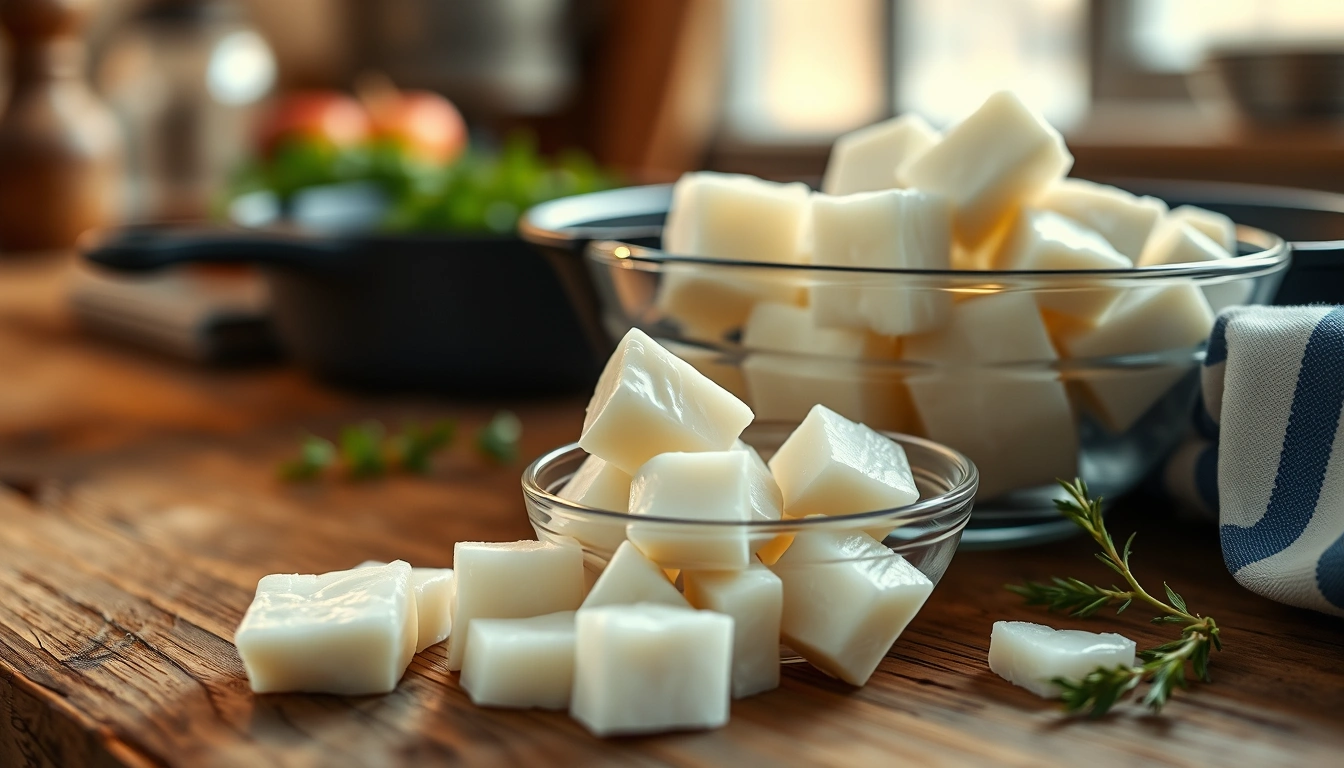
Lard
902 kcal per 100 g
Category: Oils and Fats
Nutritional information (per 100 g)
| Calories | 902 kcal |
| Protein | 0g |
| Carbohydrates | 0g |
| Total fats | 100g |
| Saturated fats | 39g |
| Fiber | 0g |
| Sodium | 0mg |
| Cholesterol | 95mg |
Vitamins and minerals
Description
Lard is a fat of animal origin obtained from the adipose tissue of pigs. Traditionally, it has been used in cooking to add flavor, juiciness, and a crispy texture to a wide variety of dishes, from stews to fried foods and baked pastries.
This ingredient is especially valued in gastronomy for its ability to withstand high temperatures without smoking, making it ideal for frying and sautéing ingredients. Furthermore, lard adds a richness and depth of flavor that is not easily achieved with vegetable oils.
Regarding its origin, lard has been used for centuries in various culinary cultures, especially in countries with a tradition of pig farming, such as Spain and many regions of Latin America.
From a nutritional point of view, lard is mostly composed of monounsaturated and saturated fatty acids. Although it should be consumed in moderation, it provides energy and helps absorb fat-soluble vitamins such as A, D, E, and K.
In different Latin American countries, lard is also known by various names, including pork lard, manteca, or simply animal fat. These terms are often used interchangeably in the context of cooking.