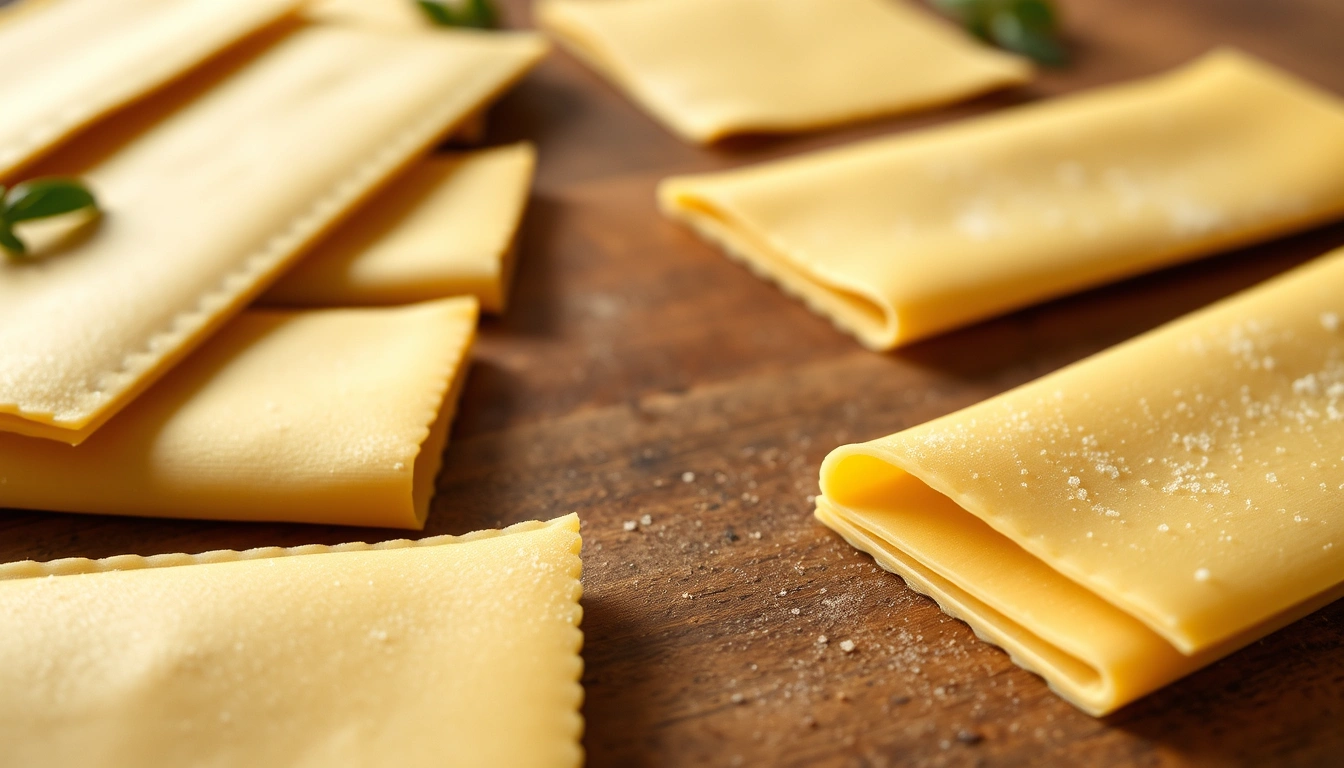
Lasaña noodles
131 kcal per 100 g
Category: Cereals and Grains
Nutritional information (per 100 g)
| Calories | 131 kcal |
| Protein | 5g |
| Carbohydrates | 25g |
| Sugars | 1g |
| Total fats | 1.1g |
| Saturated fats | 0.2g |
| Fiber | 2.7g |
| Sodium | 5mg |
Vitamins and minerals
Description
Lasagna noodles are thin, rectangular pasta sheets, specifically designed for preparing this traditional Italian dish. They are primarily made from wheat flour and water, although some varieties may include egg for a richer texture. In cooking, these noodles are used to form the main layers of lasagna, alternating with sauces, meat, cheese, and other ingredients.
The origin of lasagna noodles dates back to Italy, where lasagna is an iconic recipe, especially in regions like Emilia-Romagna. Since then, their popularity has spread internationally, adapting to different culinary styles and tastes.
Regarding their properties, lasagna noodles are an important source of carbohydrates, providing energy for the body. When made with whole wheat flour, they also provide fiber and some essential minerals. Their texture allows them to absorb sauces well, making the final dish juicy and full of flavor.
In Hispanic America, lasagna noodles may be called by different names such as láminas para lasaña, planchas de pasta, or simply láminas de pasta para horno. However, the term "lasagna noodles" is widely recognized in both home and professional recipes.