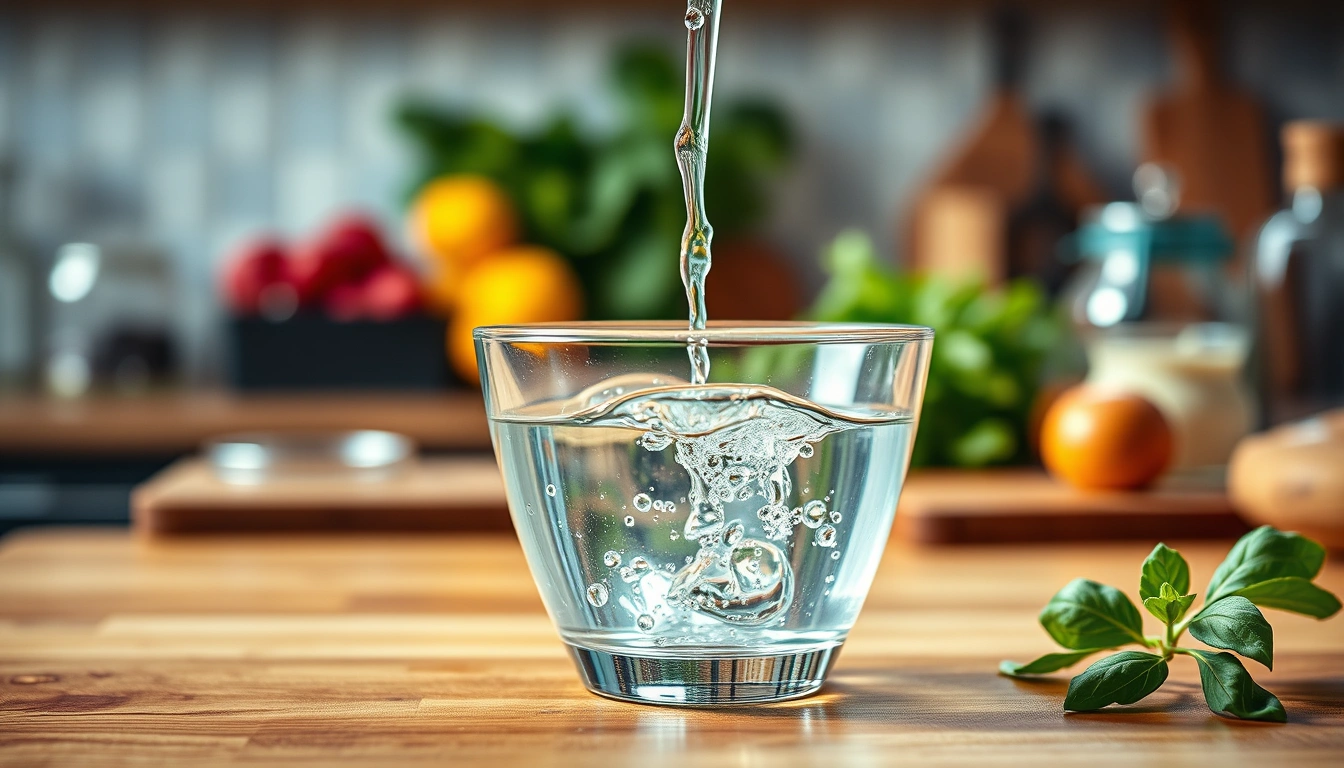
Liquid
30 kcal per 100 g
Category: Oils and Fats
Nutritional information (per 100 g)
| Calories | 30 kcal |
| Protein | 0.1g |
| Carbohydrates | 7g |
| Total fats | 0.2g |
| Fiber | 0g |
Vitamins and minerals
Description
Liquid is a generic term that refers to any substance in a fluid state that can be poured, measured, and used in various culinary preparations. In cooking, liquids are fundamental for mixing ingredients, cooking food, preparing sauces, broths, soups, and beverages, adding flavor, moisture, and texture to recipes.
The origin of the term comes from the Latin liquidus, meaning "fluid" or "clear." Liquids used in gastronomy can be of animal, vegetable, or mineral origin, such as water, broth, milk, wines, juices, oils, vinegars, or sauces.
Properties: Liquids allow for even cooking, help dissolve solid ingredients, transmit flavors, and add moisture to preparations. Furthermore, some liquids contain essential nutrients and bioactive compounds that enrich dishes.
In different Spanish-speaking countries, liquid is a standard term, although in the culinary context it may be referenced according to its specific type (water, broth, juice, etc.). There are no direct synonyms for "liquid" in Hispanic America, as it is a general concept, but related terms may include fluid or edible liquid depending on the context.