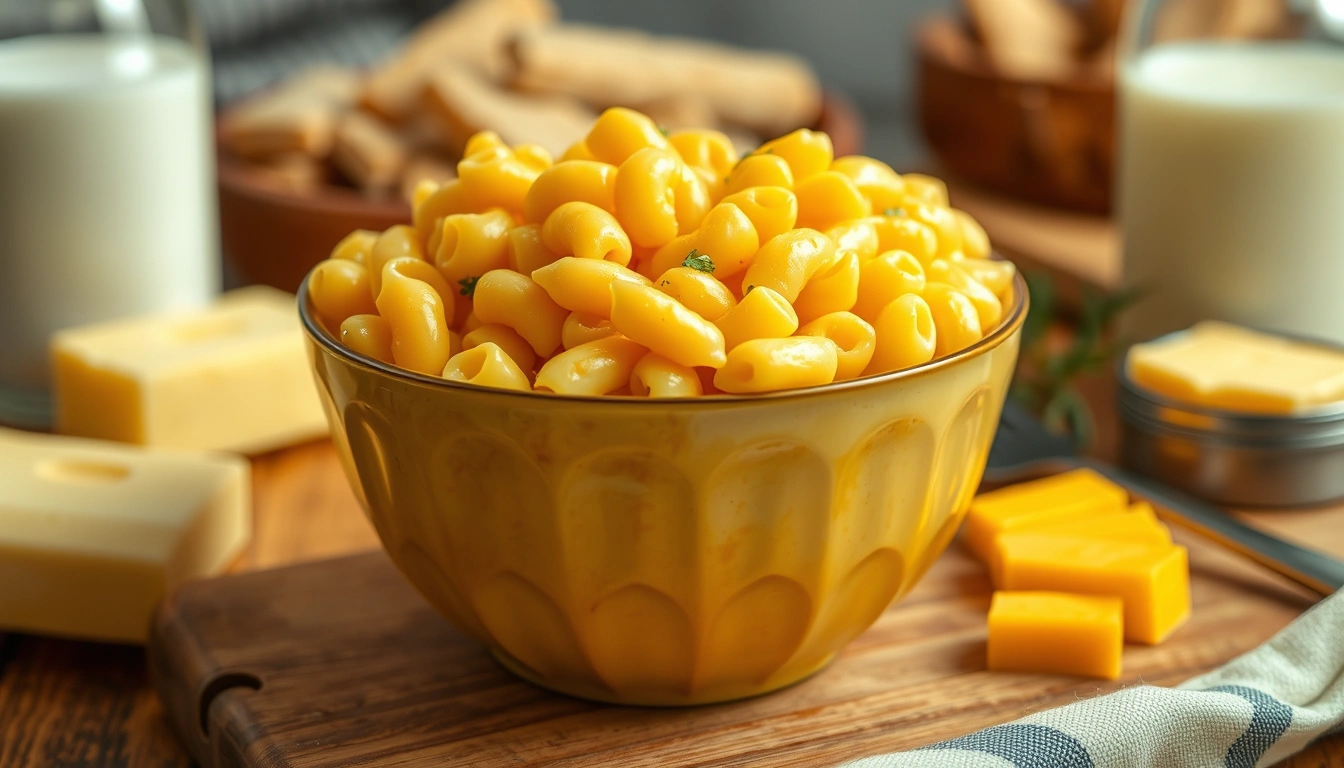
Macaroni and cheese shells
350 kcal per 100 g
Category: Cereals and Grains
Nutritional information (per 100 g)
| Calories | 350 kcal |
| Protein | 12g |
| Carbohydrates | 40g |
| Total fats | 15g |
| Saturated fats | 9g |
| Fiber | 2.5g |
| Sodium | 700mg |
Vitamins and minerals
Description
Macaroni and cheese shells is a classic and comforting dish very popular in American cuisine and adopted in many Spanish-speaking regions. It consists of pasta in the shape of shells or snails, cooked al dente and mixed with a creamy, smooth cheese sauce, typically made with cheddar. This combination results in a creamy, flavorful dish that is highly appreciated by both children and adults.
Origin: Macaroni and cheese, also known as mac and cheese, has its roots in European cuisine, particularly in Italy and France, where pasta with cheese is traditional. However, the version with cheese sauce likely became popular in the United States during the 20th century as an economical and easy-to-prepare dish that became an icon of home cooking and comfort food.
Properties: Macaroni and cheese shells provide protein and calcium from the cheese, as well as carbohydrates from the pasta, which provide quick energy. Depending on the types of cheese and the recipe used, it can also contain fats and sodium, so it is recommended to consume it in moderation as part of a balanced diet. It is a versatile dish that can be enriched with additional ingredients such as vegetables, meats, or spices to make it more nutritious.
Synonyms in Spanish from Latin America: In different Latin American countries, macaroni and cheese shells may be known as macarrones con queso, pasta con queso, or simply macarrones gratinados if baked with a crust. Although the term conchas is not always common, it can be used to describe the shell-shaped pasta in regions where similar terms are used.